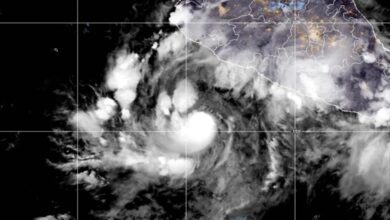

The severity of the current weather event is driven by a combination of active La Niña patterns and a negative phase of the Indian Ocean Dipole, two climate drivers that have pushed total precipitation at least 270 millimeters above historical averages for the period leading up to mid-November. Data from the US Climate Prediction Center indicates that these above-average rains are forecast to continue through at least early December, concentrated heavily in the northern central coastal region.
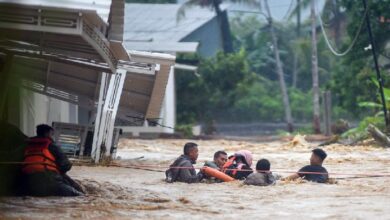
The impact has been most acute in the mountainous central province of Dak Lak, where at least 63 people have drowned. It is here that the environmental and economic consequences are most visible. Dak Lak is the nation’s largest coffee-growing province, yet some areas recorded 1,792 millimeters of rain since the start of the month. This extreme precipitation has delayed harvesting in the world’s top producer of robusta beans, threatening a significant dent in agricultural output. In the neighboring province of Khanh Hoa, approximately 800 millimeters of rain fell in a single day this week, engulfing entire blocks in the popular beach resort of Nha Trang. Hundreds of cars were left stranded, and more than 300 households in cut-off areas remained unreachable by authorities for days.

Widespread Displacement and Infrastructure Damage
The flooding has not been confined to the highlands. Deaths have also been reported in the provinces of Khanh Hoa, Lam Dong, Gia Lai, Da Nang, Hue, and Quang Tri, as severe flooding and landslides plagued the south-central region. The physical damage is extensive: more than 200,000 houses, 200,000 hectares of crops, and 1,157 hectares of fish farms were inundated. The economic toll stands at at least $500 million, with infrastructure failures leaving 1.1 million households and businesses without power. Earlier in the month, an estimated 61,000 people had already been evacuated, and half a million or more remained without electricity following an emergency government meeting with leaders from four central provinces.
Relief operations have been mobilized on a massive scale. The government has deployed tens of thousands of personnel to deliver food, medicine, and other essentials. In areas where roads are impassable, helicopters have been used to provide relief to isolated communities and highland villages. Cash aid and 4,000 tonnes of rice have been disbursed to flood victims to address immediate humanitarian needs. However, the weather agency has warned that the heavy rainfall lashing the country since October could return later this week, posing an extra risk to areas already saturated by water.

This current crisis is part of a year of exceptional natural disaster activity. Vietnam has been hit by at least 13 major storms this year, with natural disasters leaving at least 241 people dead and causing more than 53.8 trillion dong ($2 billion) in damage between January and October. The vulnerability of the population is stark: nearly half of Vietnam’s more than 100 million people live in flood-prone areas. As the ASEAN Specialised Meteorological Centre notes, models forecast above-normal rainfall for November, December, and January in southern mainland Southeast Asia, suggesting that the region may face continued pressure from these wet conditions.
In Muong Than, the search for the four missing individuals continues amidst the debris of the sudden flood. For the thousands of residents across the central highlands, the immediate threat has shifted from the rising waters to the risk of renewed downpours. With the coffee harvest delayed and infrastructure still recovering, the coming weeks will determine whether the region can stabilize before the forecasted continuation of above-normal rainfall in the coming months.