Strategic Motives Behind the Diesel Pact
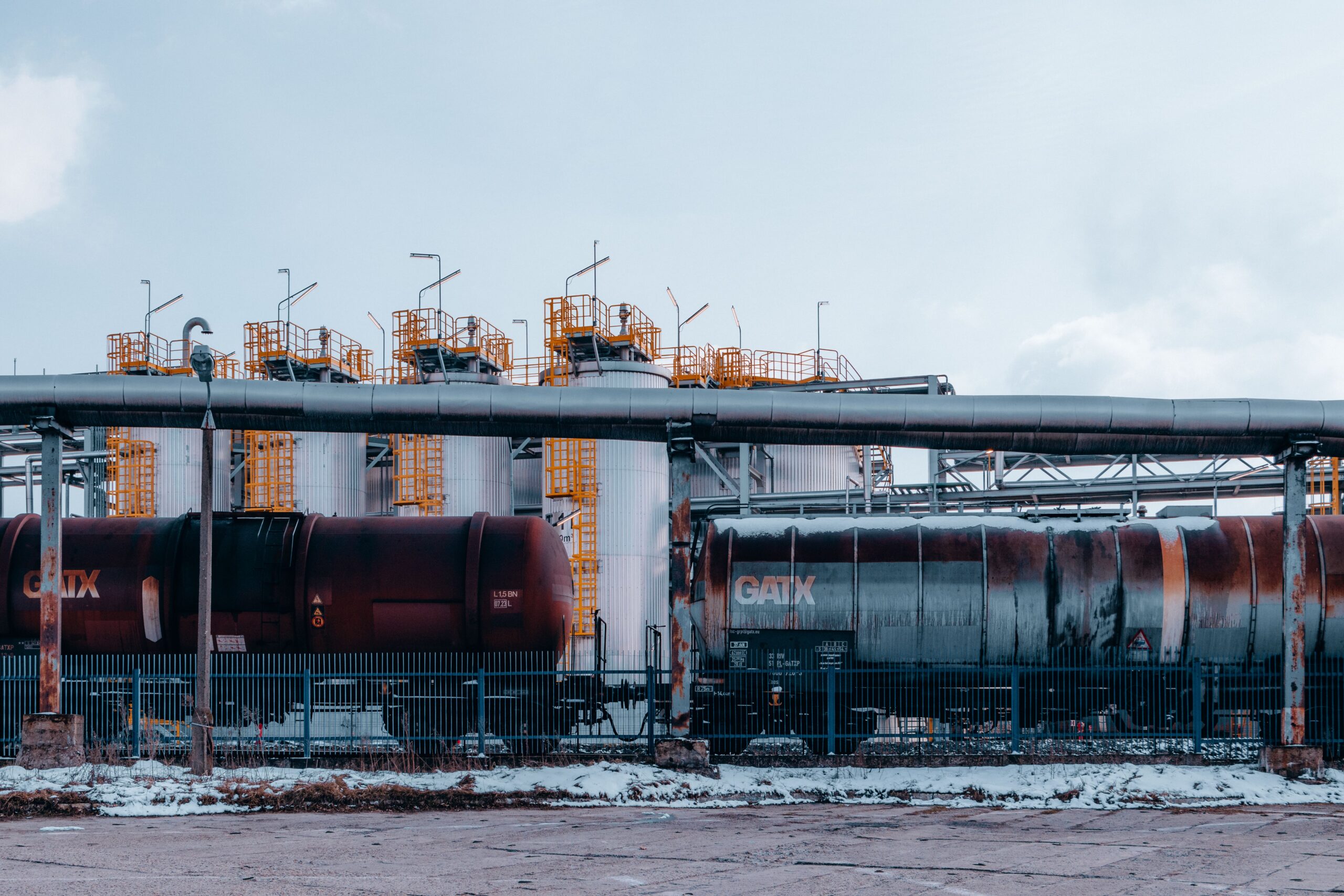
In recent diplomatic exchanges, US President Donald Trump announced a deal following a call with Russian President Vladimir Putin on October 9. The agreement permits the shipment of 300,000 tons of Russian diesel immediately, with additional volumes to follow under a temporary US license valid until April 7, 2027. While Washington frames the move as a measure to lower global fuel prices—citing recent spikes following the blockade of the Strait of Hormuz—Kellogg views the transaction through a different strategic lens. He argues that the Kremlin is using the prospect of fuel supply to pressure Washington into leveraging ongoing diplomatic negotiations to force Kyiv to suspend its attacks on Russia’s military-industrial complex.
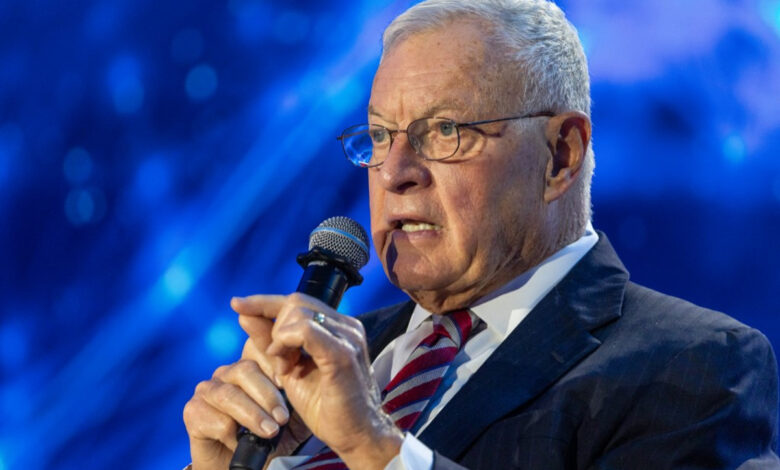
“I would tell Vladimir Putin: thank you very much, that really helps us. But I would look at the ulterior motives behind why he’s arranging diesel shipments to the US and to the international market,” Kellogg stated. “The Russians are trying to tell the Ukrainians and the Americans: enough attacking our oil refineries.”
Kellogg emphasizes that there is a fundamental distinction between the targeting strategies of the two warring nations. Ukrainian forces primarily aim at facilities of the Russian military-industrial complex, such as refineries that fuel armored vehicles and aircraft. In contrast, Russian strikes have frequently targeted civilian infrastructure, including schools and churches. For Kellogg, halting Ukrainian strikes would yield a strategic advantage to Moscow without guaranteeing a cessation of Russian aggression. He noted that while Putin initially expected the conflict to conclude in days, the war has now entered its fifth and a half year, with Russian forces currently attempting to capture the remaining parts of the Donetsk region.
European Response and Sanctions Policy
The US decision to ease sanctions has drawn criticism from European leaders who have long advocated for restricting Russian energy revenues. Estonian Prime Minister Kristen Michal described the deal as a “major miscalculation,” warning that negotiations with dictators often lead to detrimental outcomes. Michal noted that the promised fuel may not arrive as scheduled, and that the deal runs counter to the Western policy of dismantling Russia’s ability to finance its war effort.
Michal has called for the European Council to discuss providing Ukraine with additional resources to “blast Russia’s oil refineries to smithereens.” This position aligns with the views of Marko Mihkelson, chair of the Estonian Riigikogu Foreign Affairs Committee, who stated that Russia’s strategic objective remains the subjugation of Ukraine and the dismantling of the Euro-Atlantic defense system. Mihkelson argued that European allies must ensure these imperial ambitions fail, viewing the conflict as entering a decisive phase where Russia, in concert with China and Iran, seeks to undermine US global leadership.
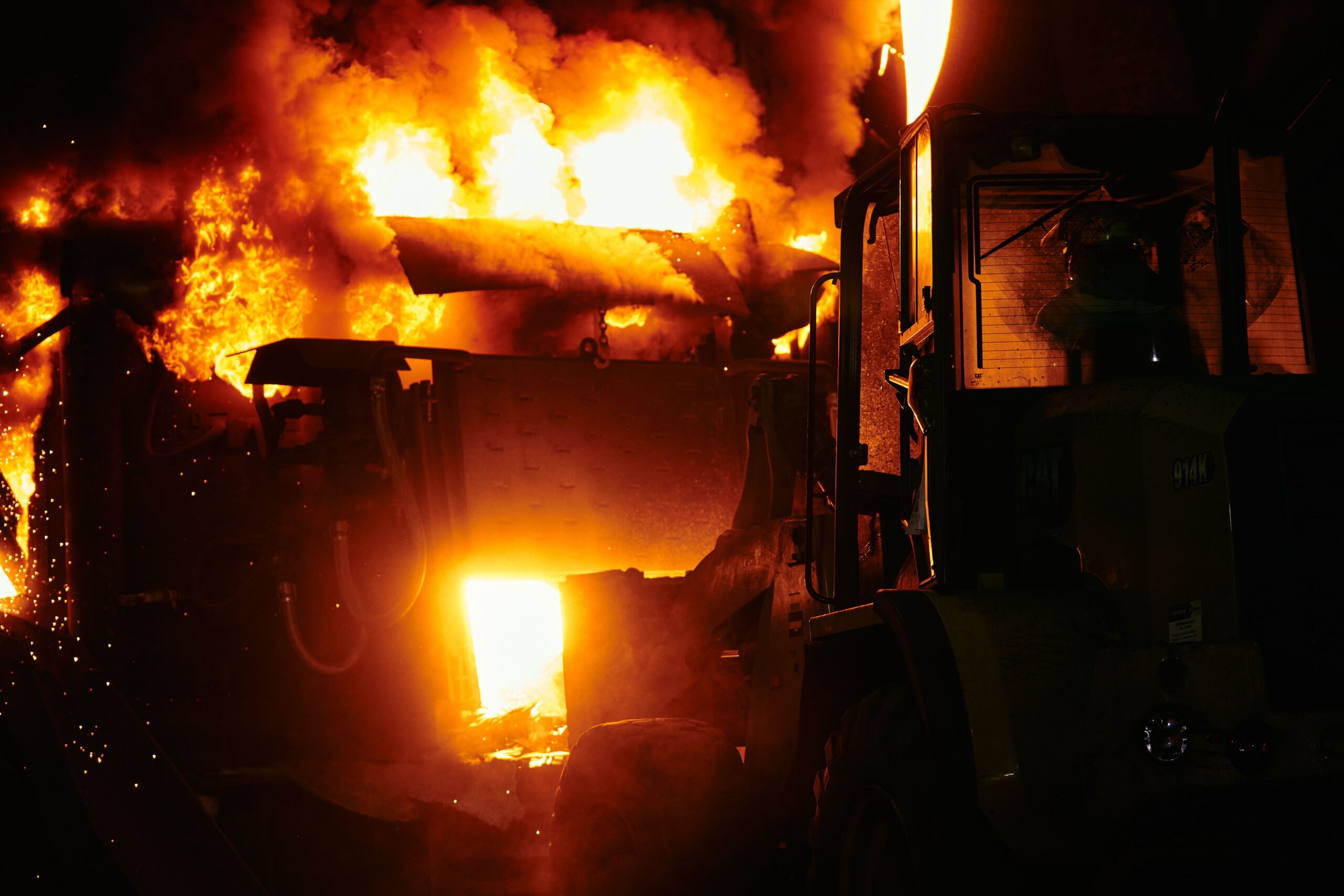
Despite the diplomatic maneuvering, the military reality on the ground suggests that Ukrainian interdiction operations are continuing. Ukrainian officials have maintained that strikes will persist until an energy truce is reached. This stance was reinforced by events immediately following the announcement of the diesel deal; drones struck an oil loading terminal at the Novoshakhtinsk refinery in Russia’s Rostov region the night the agreement was publicized. These actions underscore the tension between Washington’s attempt to stabilize fuel markets and Kyiv’s continued focus on degrading Russian combat capabilities.
As the US-Treasury Department manages the temporary sanctions relief, the divergence in approach between Washington and its European allies becomes increasingly apparent. While the US seeks to mitigate economic fallout through supply-side measures, Estonia and other European nations are pushing for a continuation of pressure on the source of Russia’s military energy. The next confirmed development will likely hinge on whether the European Council adopts measures to support Ukrainian strikes, and whether the promised diesel flows materialize as pledged by Moscow.