
Verstappen’s pole position underscores a resurgence in Red Bull Racing’s competitive form. The team has been dominant during the current triple-header of events, securing second place in Baku and a victory at Sepang. This consistency contrasts with the traditional difficulties Red Bull has faced at the Marina Bay Street Circuit, a venue known for its high-downforce requirements and low-speed precision. While the sprint race provided a glimpse of the team’s pace, the nature of the circuit ensures that the Sunday Grand Prix will present distinct strategic challenges.
The Saturday sprint, which Verstappen won, was characterized by rain-affected conditions and a degree of drama, though the overall running order was described as largely processional. This suggests that while the sprint result indicates strong raw speed, it may not be a definitive predictor of the Grand Prix outcome. The Singapore Grand Prix is historically a race where tyre strategy and undercuts play a pivotal role in determining the final classification. The final third of the race is typically eventful, and while optimal strategy does not guarantee a win, strategic errors are frequently fatal to championship aspirations.
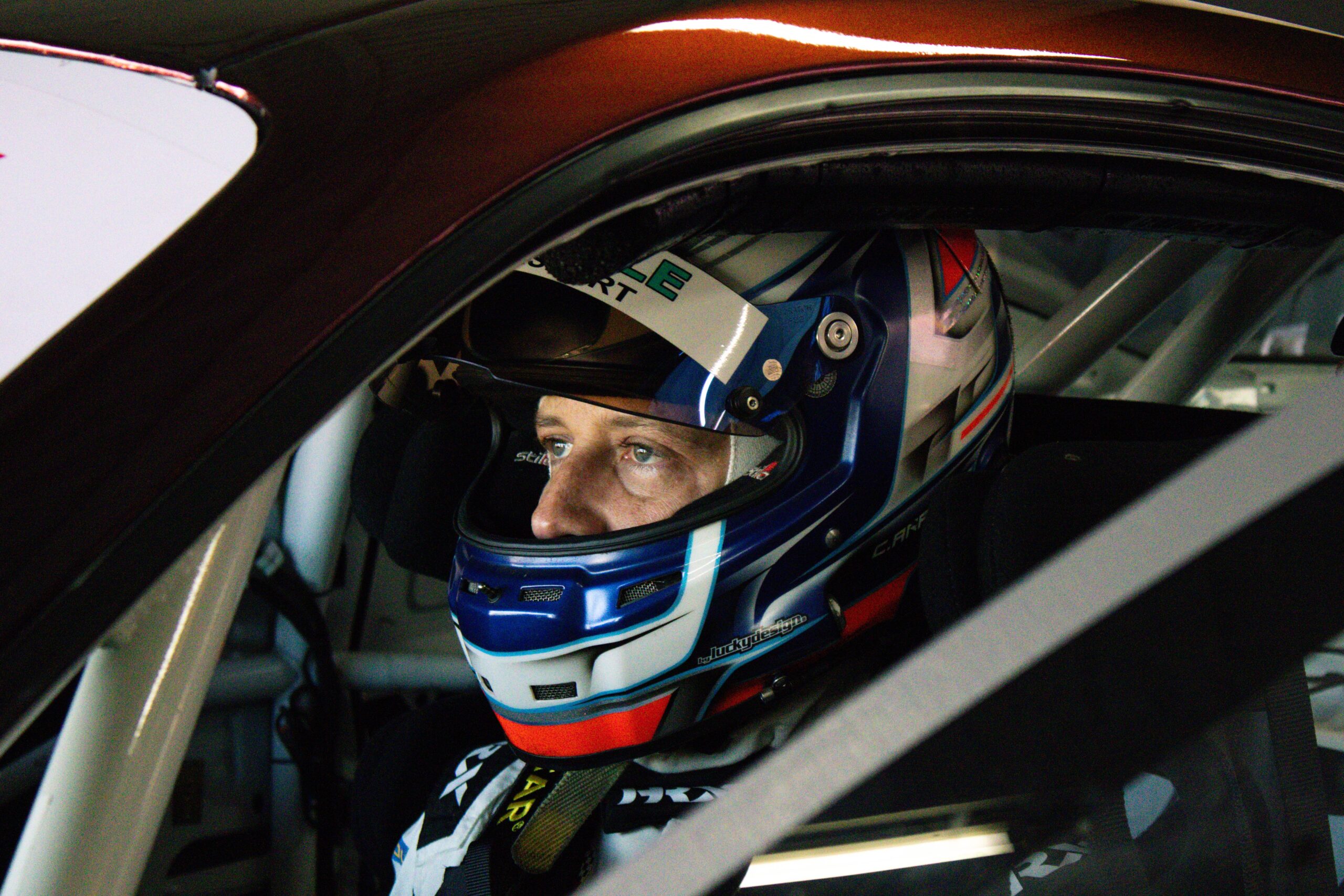
Several factors are poised to disrupt the grid order on Sunday. Most notably, Mercedes driver George Russell, who qualified sixth, is set to start from the back of the grid due to a power unit penalty. This move significantly alters the competitive dynamics for Mercedes, as Russell will need to navigate through a dense midfield to recover ground. Oscar Piastri starts seventh, while Pierre Gasly, Liam Lawson, and Arvid Lindblad complete the top ten qualifying grid.
The technical aspects of the weekend have not been without controversy. The FIA confirmed that a software issue which occurred during sprint qualifying was caused by human error. While this incident did not alter the final qualifying grid for the Grand Prix, it highlights the complex interplay between technical systems and human oversight that defines modern Formula 1 operations.
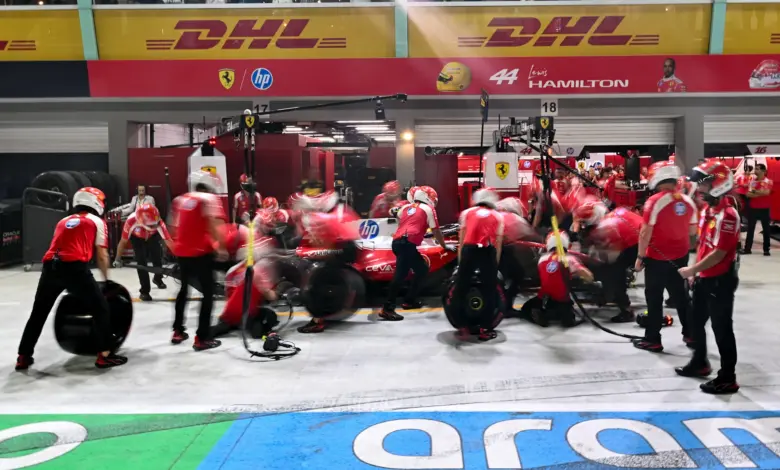
Tyre strategy will be a critical variable on race day. Teams will assess various pit stop and compound options to maximize performance at the Marina Bay Street Circuit. The ability to manage tyre degradation and execute precise undercuts will be crucial, particularly given the circuit’s layout which offers limited overtaking opportunities. For Red Bull, the challenge is to convert their qualifying and sprint dominance into a race victory. Verstappen has never won the Singapore Grand Prix, making a potential win a significant personal and team milestone.
The race is scheduled to begin at 8:00 pm Singapore time on Sunday, October 11. For viewers in the United Kingdom, the race will be broadcast live on Sky Sports at 1:00 pm BST, with highlights available on Channel 4. In the United States, Apple TV serves as the primary broadcast partner for the 2026 season, offering all sessions across its platform. F1 TV remains the global subscription streaming service for the series.
As the weekend moves toward its conclusion, the focus shifts from the tight qualifying margins to the broader strategic battle. The narrow 0.054-second gap between the pole-sitter and the second-placed driver indicates a closely contested field, where minor variations in race pace or strategic timing could see the order reshuffled. With Russell starting from the rear, the grid features a mix of front-runners and midfield teams vying for position, setting the stage for a complex tactical contest at one of the most demanding circuits on the calendar.