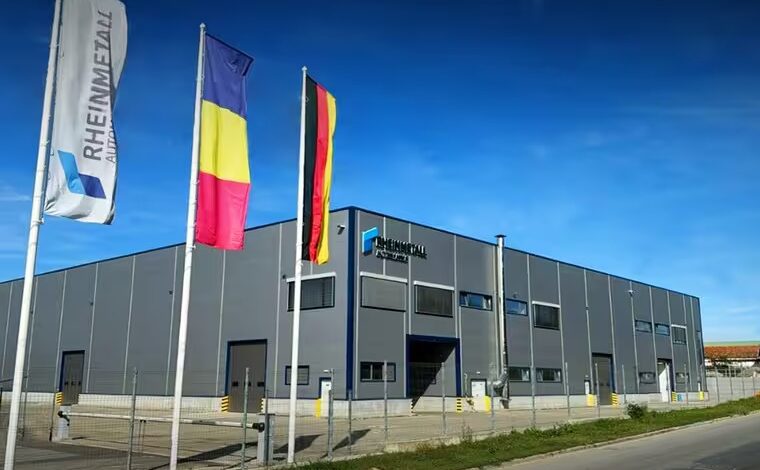
The contract falls under the European Union’s Security Action for Europe (SAFE) lending initiative, which provides member states with loans at lower rates to facilitate military rearmament. A significant portion of the armaments will be produced within Romania, with the company stating that the move will create thousands of local jobs. Rheinmetall CEO Armin Papperger described the agreement as a “significant success,” noting that it confirms the group’s ambition to expand its role as an industrial pillar of European security. “Together with our Romanian partners, we will establish a far-reaching defense ecosystem here,” Papperger said.
The news emerged days after a drone struck an apartment building in Romania, a NATO member bordering Ukraine, which triggered condemnation from alliance partners. Russian President Vladimir Putin stated there was no evidence to attribute the incident to his country. The heightened security environment has accelerated defense spending across the continent since Russia’s full-scale invasion of Ukraine in 2022, making Rheinmetall a primary beneficiary of this rearmament wave.
Rheinmetall shares reached a record closing price of €1,515 on Wednesday, with a weekly trading range between €1,472 and €1,529. The stock’s performance follows a defense agreement signed in Berlin between Germany and Ukraine, which includes the joint production of 5,000 artificial intelligence-enabled drones and €300 million for long-range attack capabilities. This recent activity has solidified the group’s status as a key industrial partner for Ukraine, which has entered the European defense industrial base for the first time. Analysts currently hold a 12-month average price target of €2,044, with 15 buy recommendations and no sell ratings.
The company has also signaled aggressive growth, anticipating a sales increase of 40–45% in 2026, with projected revenues between €14 billion and €14.5 billion. This financial outlook supports the broader trend of European states prioritizing kinetic weaponry and immediate defense capabilities. In a related strategic shift, Italy recently replaced the CEO of Leonardo, the country’s major defense contractor, with a missile expert to ramp up production of kinetic weapons, reflecting a continent-wide focus on immediate military needs over long-term technological diversification.
Rheinmetall recently completed its transition to a pure defense company by selling its automotive unit. The firm has become a critical supplier for Ukraine, delivering tanks, 155-millimeter artillery rounds, and surveillance drones. Following public criticism of initial remarks by the CEO that appeared to downplay Ukrainian drone innovation, Rheinmetall issued a statement expressing respect for Ukraine’s defense efforts and acknowledged the country’s innovation under limited resources.
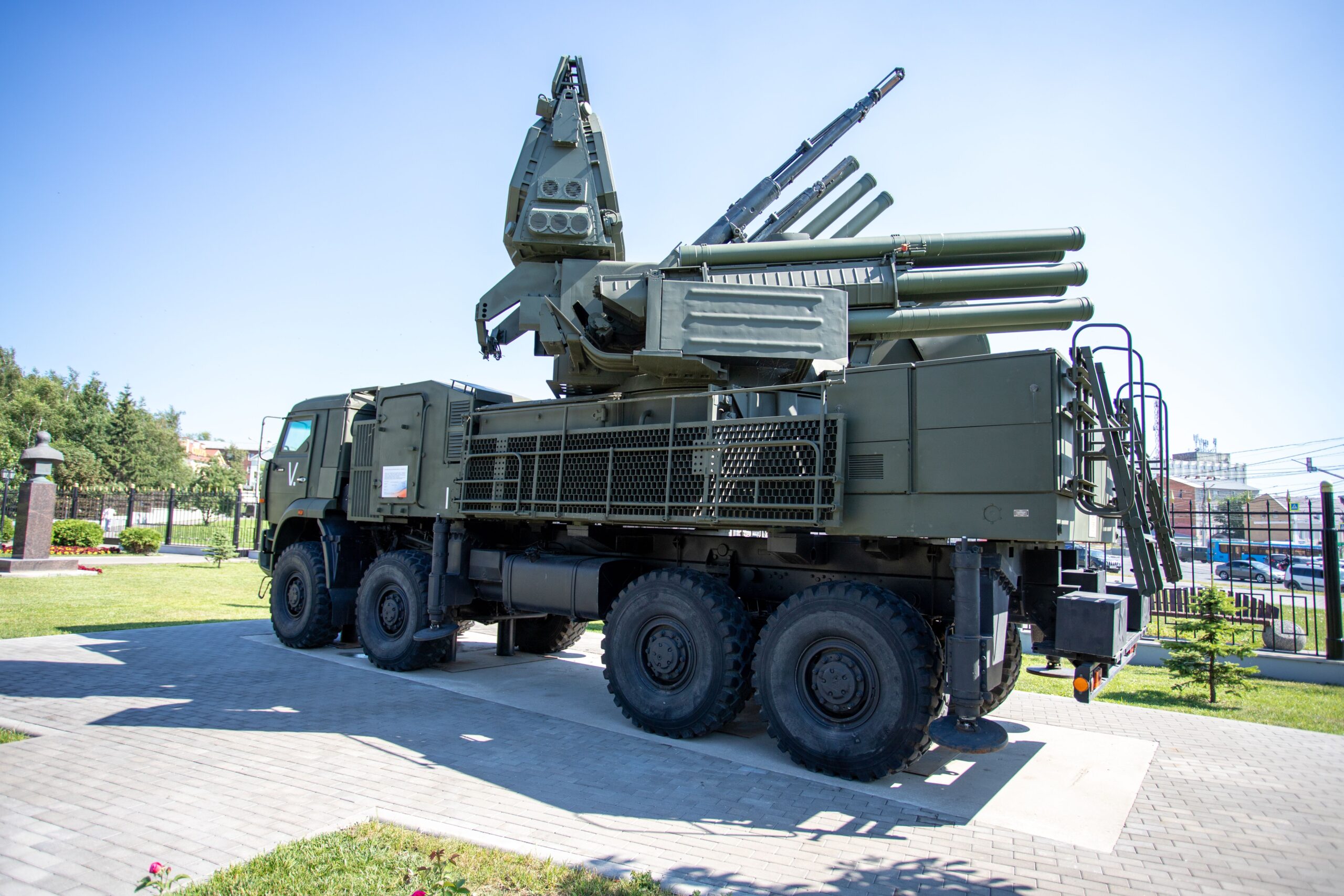
Broader European defense initiatives continue to expand, with the European Commission selecting 57 projects from 410 proposals for its 2025 Defense R&D call, distributing €1.07 billion in funding. These projects align with the Defence Readiness Roadmap 2030, focusing on drone countermeasures, eastern flank surveillance, and air and space shields. The inclusion of Ukrainian entities as subcontractors in these projects marks a historic integration into the European industrial base.
The next phase of implementation for the Romanian contract will involve the commencement of deliveries in 2028, while the broader European rearmament agenda will be further shaped by upcoming policy meetings and the continued rollout of the SAFE lending framework.