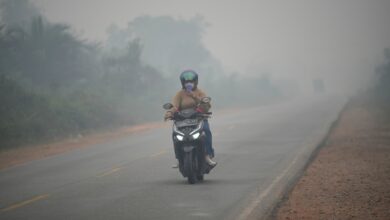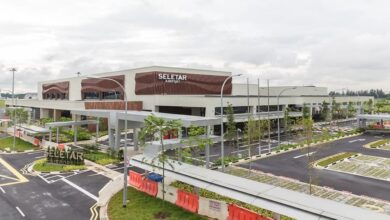
The aviation disruption comes at a critical juncture for air quality in the region. On Tuesday, Singapore and Kuala Lumpur were identified as the world’s two most polluted cities. The Air Quality Index (AQI) in Singapore reached 199, while Kuala Lumpur registered a reading of 183. In standard air quality classifications, readings above 150 are considered unhealthy for all members of the public, while those exceeding 300 are categorized as hazardous. Both cities remain in the unhealthy range, posing significant health risks to residents and travelers.
The source of the severe haze is a series of intense fires burning on the Indonesian islands of Sumatra and Borneo. These wildfires represent the most significant fire event in Indonesia in 11 years. Meteorological data indicates that the fires have been exacerbated by El Niño, a weather pattern that is expected to be among the strongest in four decades. The combination of dry conditions and high winds has allowed smoke to drift across national borders, blanketing parts of Malaysia and Singapore.
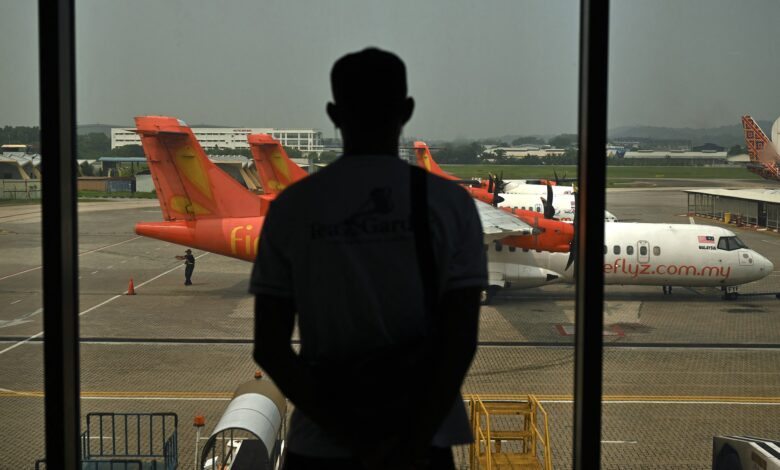
Firefly, a subsidiary of Malaysia Aviation Group which also owns Malaysia Airlines, first announced flight cancellations on October 10, citing “low visibility” due to the haze. The initial suspension has now been prolonged as conditions have not improved sufficiently to ensure safe operations. The airline’s intervention highlights the tangible operational impacts of transboundary pollution on regional connectivity and commerce.
The health implications of the prolonged haze event are substantial across the affected region. Tens of thousands of cases of respiratory illnesses have been reported in the area. In response to the sustained poor air quality, the Singaporean government activated specific subsidy schemes on Monday. These measures allow citizens to receive affordable medical care for conditions exacerbated by the haze, acknowledging the direct link between the environmental crisis and public health strain.
The situation underscores the vulnerability of the region to seasonal climate patterns interacting with localized land-use practices. While the fires are the immediate cause of the current pollution spike, the underlying drivers include the recurring cycle of dry seasons intensified by global climate trends. Authorities in both Malaysia and Singapore continue to monitor air quality levels closely, with the expectation that flight operations may remain suspended until visibility improves and AQI readings drop to safer levels.
For travelers, the cancellation extends through Wednesday, though the timeline remains contingent on atmospheric conditions. Passengers are advised to check with their carriers for the latest updates. The episode serves as a stark reminder of how environmental events in one country can have immediate economic and logistical consequences for its neighbors, disrupting daily life and forcing significant adjustments in public health and transportation policies.