
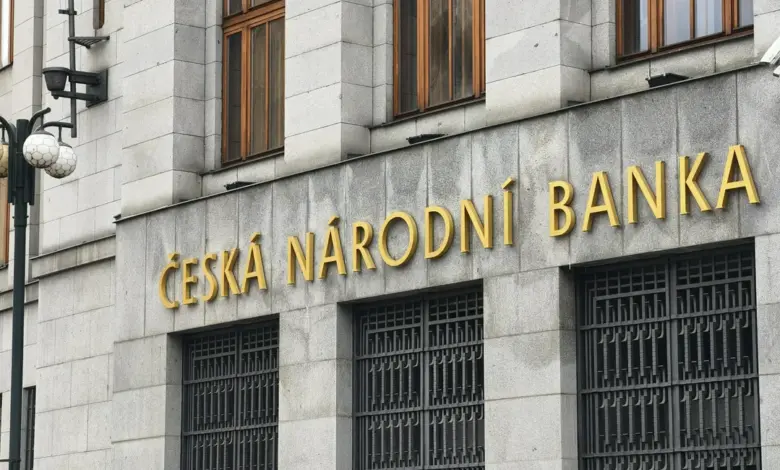
Governor Aleš Michl stated that risks to inflation remain tilted upward, necessitating a continued relatively restrictive monetary stance. This approach is intended to keep price growth close to the CNB’s 2 percent target over the longer term. The central bank identified rapid wage growth and continued tightness in the labor market as primary factors that could further push inflation higher. Additionally, the bank is monitoring the economic impact of the ongoing Middle East conflict on domestic price stability.
Market Reaction and Analyst Outlook
Financial markets had largely priced in the decision, with analysts noting that the outcome was broadly expected. Following the announcement, the Czech crown showed little reaction, suggesting that investors had already adjusted their positions in anticipation of a pause in the tightening cycle. While the central bank is pausing rate hikes, it has not signaled a pivot toward easing. The hawkish nature of the hold—emphasizing upward risks to inflation—may provide some underlying support for the currency, as restrictive policy typically strengthens a nation’s monetary position relative to peers with more accommodative stances.
“Risks to inflation remain tilted upward and relatively restrictive monetary policy is still needed to keep price growth close to the CNB’s 2 percent target over the longer term,” Governor Aleš Michl said.
For consumers and businesses, the status quo means that the cost of borrowing remains relatively high. For prospective homebuyers, elevated interest rates continue to reduce the size of mortgages available at a given income level, potentially constraining demand in the housing market. Conversely, savers continue to benefit from stronger returns on savings accounts and deposits compared to periods of low or negative interest rates. The central bank’s stance indicates that relief from high borrowing costs is not imminent, as policymakers prioritize controlling inflation over stimulating economic activity in the near term.
The CNB’s decision reflects a cautious approach to navigating persistent inflationary pressures. By holding rates steady rather than cutting them, the bank aims to ensure that disinflationary trends are firmly established before considering any loosening of monetary policy. The focus on wage dynamics highlights the importance of labor market conditions in the Czech Republic’s inflation outlook. As the bank continues to monitor global developments, including geopolitical conflicts, the next move in interest rates will likely depend on how these external shocks interact with domestic demand and price stability.
Investors and economic agents will now look to upcoming inflation data and labor market reports for further signals on the CNB’s future policy path. The central bank’s commitment to its 2 percent target remains clear, but the timeline for achieving this goal may be extended if upward pressure on prices persists due to wage growth or external economic disruptions.