
The vignette will be digital and linked directly to the vehicle’s registration number, eliminating the need for physical stickers. This technical requirement ensures that the charge cannot be transferred between different vehicles within a fleet, a provision designed to prevent circumvention of the tax. Sales of the digital vignette are scheduled to begin on 1 March 2027, providing a two-month window before the charge becomes compulsory on Belgian motorways and regional roads.
The financial impact of the new scheme varies significantly based on the vehicle’s emissions standard. For vehicles meeting the Euro 4 standard or newer, the proposed annual charge is €100. However, older vehicles classified as Euro 0 to Euro 3 face substantially higher costs, paying up to €125 for an annual vignette or €11.25 for a single day. Zero-emission vehicles receive a modest reduction, with annual costs ranging from €90 and daily rates starting at €8.10. This structure reflects a policy aim to encourage cleaner transport while ensuring that all road users contribute to the maintenance of the network.
The political rationale behind the extension is rooted in the principle of equitable contribution to infrastructure costs. Belgium already operates a distance-based charging system for vehicles exceeding 3.5 tonnes. The Flemish Government argues that excluding lighter vehicles creates an imbalance, as these vehicles use the same road infrastructure without contributing to its upkeep. By extending the charge, the government seeks to close this gap, ensuring that the cost of the road network is distributed more fairly among all users.
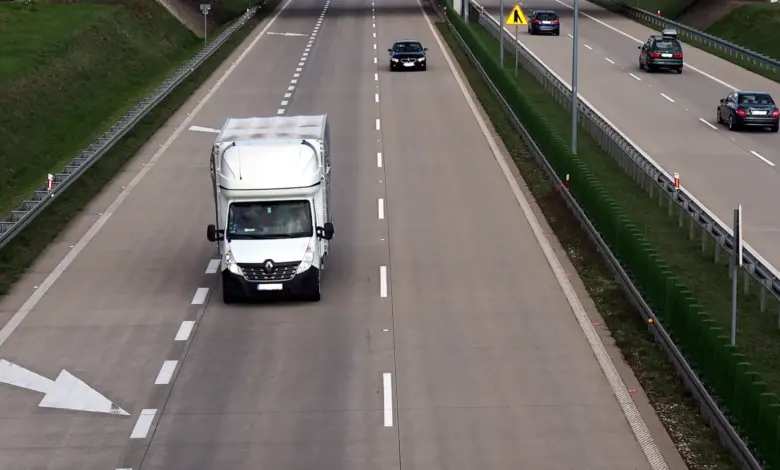
The scheme will apply equally to Belgian-registered and foreign-registered vehicles, including those entering the country only for short periods. This non-discriminatory approach is mandated by EU principles, which require that foreign road users be charged at the same proportional rates as domestic residents. For international logistics operators, the implications are direct. A courier entering Belgium for a single delivery would need to purchase at least a one-day vignette. For a company deploying ten modern vans for a single day’s operations, this would result in an additional cost of €90. While regular users may find the annual option more economical, the cost applies separately to every vehicle registration, potentially increasing operational expenses for fleets.
While the stated purpose is to ensure fair contribution to road maintenance, the practical effect may place a disproportionate burden on foreign businesses, particularly those with high cross-border traffic. The digital nature of the vignette, tied to registration numbers, adds an administrative layer for international drivers who must manage multiple vehicle charges. This development highlights the tension between national infrastructure funding needs and the free movement of goods and services within the European Union.
The introduction of the vignette represents a broader shift in how Belgian authorities manage road usage. By moving from a system that only targeted heavy goods vehicles to one encompassing all light vehicles, the government is expanding the fiscal base for road maintenance. This move may influence similar policies in other European countries grappling with the cost of road infrastructure and the environmental impact of road transport. The next phase of this political development will likely involve monitoring the uptake of the digital vignette and assessing its impact on cross-border trade and logistics costs.