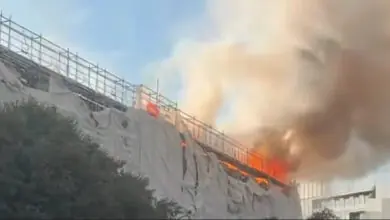
On September 28, hours of heavy rain triggered a landslide in the Merkez neighborhood of the Eyüpsultan district around 1 a.m. Emergency crews evacuated 25 residents from a nearby apartment building as a precautionary measure. Firefighters, police, and municipal officials inspected the site, with further assessments of the structural integrity of the building and the landslide area scheduled for daylight hours. In the Fatih district, a section of Mutaflar Avenue collapsed at a site where municipal works had previously been carried out, causing several vehicles to fall into the resulting hole. Residents aided in the recovery of the stranded cars, highlighting the immediate, if unorganized, community response to infrastructure failure.
The meteorological drivers behind these events are distinct. Meteorologists explain that the combination of cold upper-level air and warmer, moisture-laden air near the surface creates conditions ripe for thunderstorms, lightning, and strong showers. This atmospheric instability has resulted in rainfall that falls well below seasonal temperature averages, with morning temperatures dropping to around 14 degrees Celsius (57 degrees Fahrenheit) during recent storms, a sharp departure from the summer heat. In July, for instance, the city experienced a powerful downpour on the hottest day of the year, when temperatures in the southern city of Şanlıurfa reached 44 degrees Celsius (111 degrees Fahrenheit), illustrating the rapid and volatile shifts in the regional climate.
The impact on Istanbul’s transportation network is profound. During the September storm, congestion reached 72 percent during the morning rush hour, significantly higher than typical baselines. Passenger queues formed at major metrobus and public transport hubs, including Zincirlikuyu, Cevizlibağ, Uzunçayır, and Altunizade, as delays cascaded through the system. Similar disruptions occurred in July, when streets and avenues in Beşiktaş, Şişli, Fatih, Bakırköy, Sultangazi, and Kağithane were submerged. In one district, drivers were forced to abandon their cars when they could not navigate the flooded sections, while local residents opened storm sewer manholes to accelerate drainage. The Meteorological General Directorate has issued warnings across Istanbul and several provinces in the Marmara and western Black Sea regions, citing risks of sudden flooding, lightning, and strong winds that can reach 40 to 60 kilometers per hour.
These events are not confined to Istanbul. In Ankara, overnight rain caused water to accumulate on streets and beneath bridges, flooding the entrances and basements of buildings in the Keçiören district. National forecasts indicate that showers and thunderstorms are likely to persist across much of Türkiye, including parts of the Marmara, Aegean, Mediterranean, Central Anatolia, Black Sea, and eastern regions. The Istanbul Governor’s Office has warned that heavy showers and thunderstorms are expected to continue throughout the week, with periods of particularly heavy rain potentially lasting into early October.
While the immediate danger of these specific storms may pass, the underlying pattern suggests a period of heightened volatility. The city administration urges drivers to exercise caution and follow official guidance, noting that weather conditions may recur and lead to new traffic jams and floods. As temperatures are forecast to remain below seasonal averages in western and central parts of the country, the contrast between extreme heat and sudden, intense cooling continues to challenge both infrastructure resilience and public safety planning in one of the world’s most populous metropolitan areas.