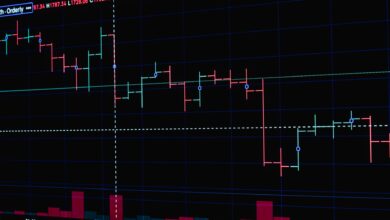
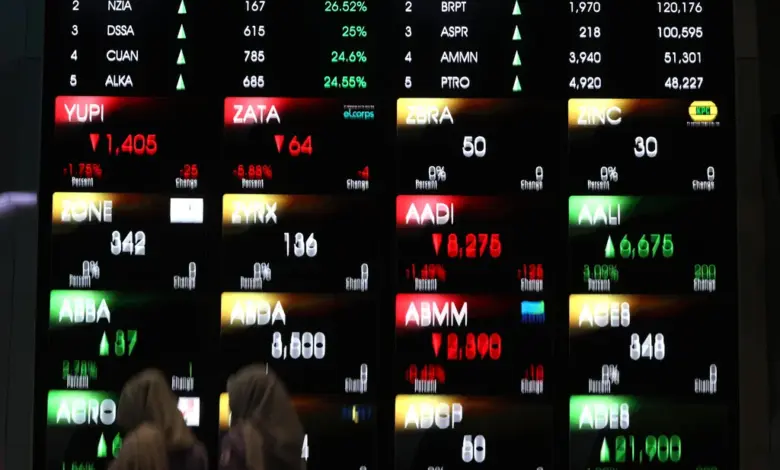
The single-day drop of 7.35% in the IHSG represents a significant deviation from historical norms, triggering broad-based sell-offs across the Jakarta Stock Exchange. The simultaneous weakness in the currency market indicates that the stress is not confined to equity valuations but affects the broader macroeconomic stability of Indonesia. The scale of the move suggests that investors are reassessing their exposure to Indonesian assets in response to fundamental concerns rather than short-term technical factors.
Official explanations and market commentary attribute the turmoil to a combination of global headwinds and domestic policy issues. A primary driver cited is the erosion of policy credibility, a sentiment that has persisted among market participants since the beginning of the year. This loss of trust is viewed as a critical factor exacerbating the impact of external global pressures. The convergence of these domestic and international risks has created a feedback loop, where falling asset prices accelerate currency depreciation, further undermining investor confidence.
The implications for the broader economy are significant. If the current trend of neglecting policy credibility continues, the cost is ultimately borne by the public, as indicated by the deepening financial stress. The market’s reaction serves as a direct measure of trust in the government’s ability to maintain stable economic conditions. The severity of the decline, exceeding the depth of the 2020 pandemic-era corrections, highlights the fragility of the current economic outlook and the high stakes involved in restoring market stability.
Background data from the period indicates that the current market pressure is distinct in its intensity compared to previous major economic shocks. While the 2020 pandemic caused significant disruptions, the current episode is characterized by a deeper structural distrust in policy frameworks. This distinction is crucial for understanding the potential duration and impact of the ongoing sell-off. The financial sector is currently absorbing the shock, with both equity and currency markets reflecting a pessimistic outlook.
Investors are now monitoring for any signs of policy intervention or clarification from Indonesian authorities to address the credibility gap. The immediate commercial consequence is a revaluation of risk premiums for Indonesian assets, potentially affecting borrowing costs and foreign investment flows. The market remains in a state of heightened sensitivity, with any further negative signals on policy implementation likely to trigger additional volatility in both the JCI and the rupiah exchange rate.
Further developments are expected as market participants assess the official response to the MSCI review and the subsequent policy actions. The next critical observation point will be the stability of the rupiah and the JCI in the coming trading sessions, which will determine whether the current crash represents a temporary correction or a sustained downward trend. Until policy credibility is demonstrably restored, the risk of continued financial market pressure remains elevated.