In a post on Truth Social, the President alleged that the Iranian regime was “making up fake hits, mines, and everything else” to drive up energy costs. “Iran is doing everything they can to drive up the price of Oil prior to the US Midterm Election,” Trump wrote. He further asserted that the volume of oil moving through the Strait of Hormuz is currently higher than it was before the onset of the conflict, challenging the prevailing perception of supply disruption caused by maritime insecurity.
This claim stands in sharp contrast to reports from Iranian state media. According to the Islamic Revolutionary Guard Corps (IRGC) Navy, as reported by the state news agency IRNA, four oil tankers were struck and caught fire overnight. These incidents have fueled concerns among international traders and energy analysts about renewed escalation in the region and potential constraints on global energy supplies. The discrepancy between the US administration’s assessment of flow rates and Iranian reports of physical damage to vessels creates significant uncertainty for investors and policymakers monitoring the region’s impact on commodity prices.
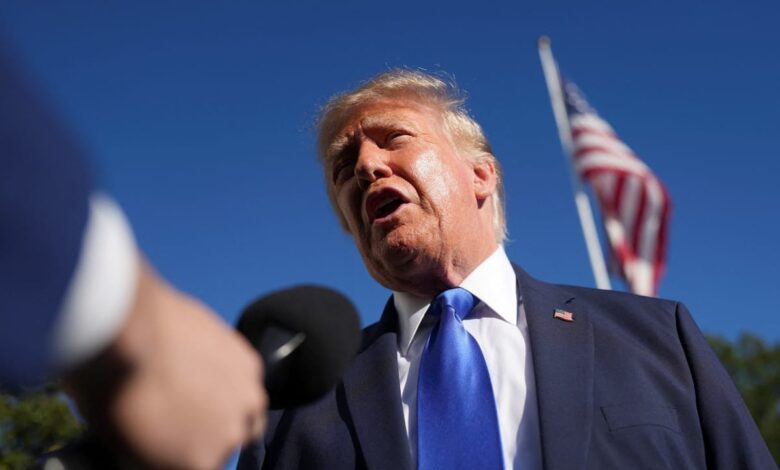
The timing of these accusations is significant given the proximity to the midterm elections. Trump acknowledged that the military campaign against Iran has carried a political cost but defended the strategic necessity of the action. Speaking to reporters at the White House before departing for a campaign rally in Iowa, the President stated, “There’s a price to pay, which I knew immediately when I did it. But we can’t let Iran have a nuclear weapon.”
Trump suggested that American sentiment on the issue is divided. “In one way they love it because I’m doing what should have been done by other presidents. In another way, maybe they don’t,” he said. He also indicated that Washington retains the option for further military engagement, noting that while significant damage had already been inflicted, the US “may do it a little bit further.”
The Strait of Hormuz remains a critical chokepoint for global energy trade. Restrictions on maritime traffic and reported attacks on commercial shipping have historically threatened the flow of oil through the waterway, potentially impacting supply chains and inflationary pressures in consumer economies. While the US administration argues that flow rates have increased, the physical reporting of tankers on fire suggests ongoing risks to maritime insurance premiums and shipping logistics. The economic implications of these conflicting data points remain difficult to quantify until independent verification of shipping volumes and vessel damage is available. The debate underscores the complex intersection of energy security, geopolitical strategy, and domestic political timing in the lead-up to the US midterms.