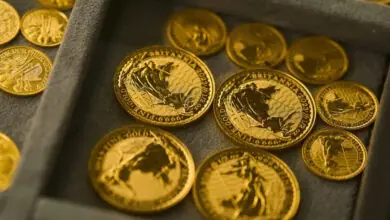

The movement in Indian prices is not solely a local phenomenon; it is tethered to global currency dynamics and macroeconomic sentiment. FXStreet notes that it converts international prices using the USD/INR exchange rate and local measurement units, refreshing figures daily based on available market rates. Consequently, the rise in the rupee-denominated price reflects a complex interplay between the strength of the US Dollar and the intrinsic demand for the asset. Historically, gold has served as both a medium of exchange and a store of value, but its modern role has evolved significantly. It is now widely regarded as a safe-haven asset, particularly attractive during periods of economic turbulence or geopolitical instability.
One of the most significant drivers of this sustained interest in gold is the aggressive accumulation by central banks. Data from the World Gold Council reveals that central banks increased their reserves by 1,136 tonnes of gold in 2022, a volume valued at approximately $70 billion. This marks a record high, with no other year since records began witnessing such substantial purchases. The trend is particularly pronounced in emerging economies, including China, India, and Turkey, where central banks are rapidly expanding their holdings. This strategy serves to diversify reserves away from traditional assets and to reinforce perceptions of economic and currency strength during turbulent periods.

The relationship between gold and other major reserve assets, such as the US Dollar and US Treasuries, is characterized by an inverse correlation. Generally, a weaker Dollar accompanies a rise in gold prices, allowing investors and central banks to diversify their holdings during unsettled times. Conversely, Dollar strength tends to restrain gold prices. Because gold is priced in dollars (XAU/USD), most price movements hinge on the performance of the US currency. This dynamic creates a feedback loop where currency depreciation fears spur gold buying, which in turn can further pressure the Dollar, although the precise magnitude of this effect varies with market conditions.
Beyond currency factors, gold’s position as a non-yielding asset makes it sensitive to interest rate environments. Lower interest rates generally support gold prices, as the opportunity cost of holding a non-interest-bearing asset decreases. In contrast, rising borrowing costs typically put pressure on the metal. Additionally, gold tends to move in the opposite direction to risk assets. Gains in stock markets usually weigh on gold prices, while selling in riskier markets often supports the precious metal. This inverse relationship underscores gold’s role as a hedge; when confidence in equities or other riskier investments wanes, capital frequently flows into gold.
For households and consumers in India, these price movements translate directly into higher costs for jewelry and investment products. The data indicates that 10 grams of gold were priced at 119,096.70 INR, while a troy ounce stood at 370,428.30 INR on Monday. These figures are provided for reference only, with local rates potentially differing slightly due to regional taxes and dealer margins. The rise in prices reflects the broader global premium placed on security during times of uncertainty. As central banks continue to bolster their reserves, and as investors seek alternatives to fiat currencies and equities, the demand for gold remains robust. The metal’s independence from any particular issuer or government further enhances its appeal as a hedge against inflation and currency depreciation.
Looking ahead, the trajectory of gold prices will likely remain influenced by the performance of the US Dollar, global interest rate policies, and the continued pace of central bank accumulation. The historic levels of buying in 2022 suggest a long-term structural change in reserve management, particularly in emerging markets. As long as geopolitical instability and concerns about economic recession persist, the safe-haven appeal of gold is expected to remain a dominant feature of the financial landscape. For Indian consumers and investors, monitoring these global indicators will be crucial in anticipating further movements in the price of the metal.