

The primary driver of this financial distress is cited as significantly elevated jet fuel prices, a consequence of geopolitical tensions stemming from the Iran war. The airline stated that these soaring energy costs have severely impacted its ability to operate sustainably. While specific figures for fuel expenditures or revenue shortfalls were not detailed in the immediate disclosure, the magnitude of the share price drop indicates that the market perceives the risk of insolvency to be high.
The collapse in share value represents a catastrophic exit for investors who had backed Norse Atlantic’s expansion into long-haul transatlantic and transpacific routes. The airline, which has rapidly grown its fleet and route network in recent years, now faces an existential threat that could lead to bankruptcy proceedings if liquidity cannot be secured. Analysts and market participants are closely monitoring whether the company can secure emergency financing or renegotiate fuel contracts to stabilize its balance sheet.

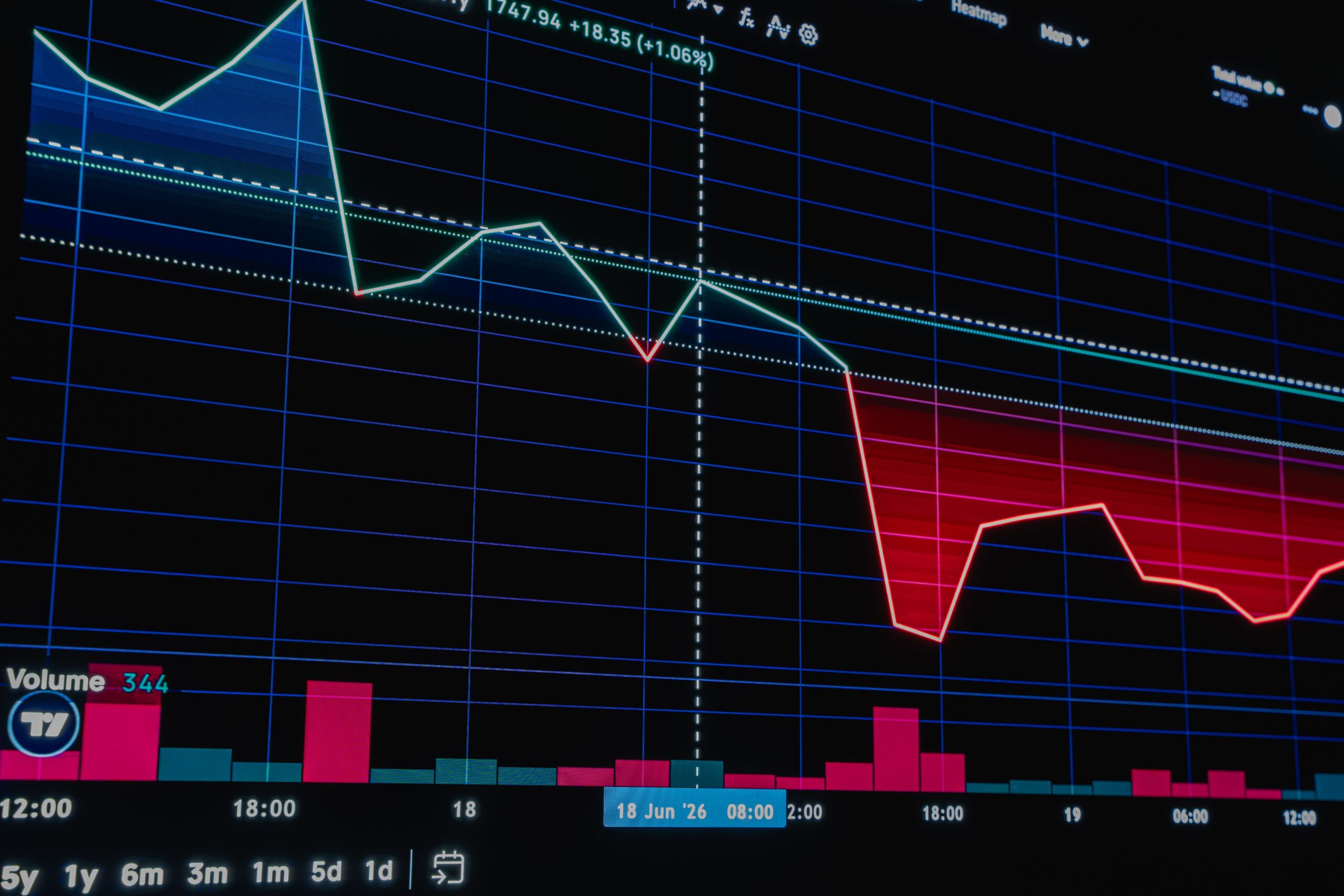
The “critical” status serves as a formal alarm to creditors, partners, and regulators. In the airline industry, such warnings often precede urgent capital raises, asset sales, or restructuring efforts. The lack of immediate countermeasures announced alongside the warning has exacerbated investor anxiety, leading to the historic 70 percent decline in share price.
This development highlights the extreme vulnerability of airlines to macroeconomic and geopolitical shocks, particularly in the energy sector. While Norse Atlantic is a relatively new entrant in the long-haul market compared to legacy carriers, its financial structure appears less resilient to such sudden cost spikes. The market reaction underscores a broader concern about the sustainability of low-cost long-haul models in a high-inflation, high-energy-cost environment.
There is no confirmed timeline for further disclosures or specific restructuring plans from Norse Atlantic management as of this report. The next critical step for the airline will be to provide detailed financial metrics and a concrete survival strategy to reassure stakeholders. Until such information is released, the risk of insolvency remains the dominant narrative driving market sentiment.