The warning from Gasunie is not merely a forecast of lower volumes; it is a direct call to action for the Dutch government. The utility urges the authorities to build a strategic gas reserve, a mechanism typically used to buffer against sudden supply disruptions or extreme price spikes. By highlighting the gap between current storage levels and the required winter target, Gasunie is drawing attention to the structural vulnerabilities that have emerged in the post-2022 energy market. The core issue is the divergence between the physical reality of gas availability and the political and economic expectations for winter demand. As autumn sets in, the question for Dutch consumers and industries is no longer just about the price of gas, but about the physical availability of the fuel to heat homes and power factories.
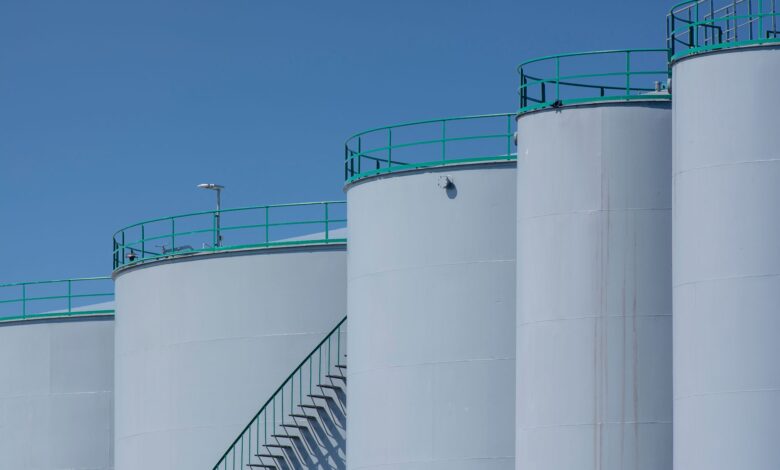
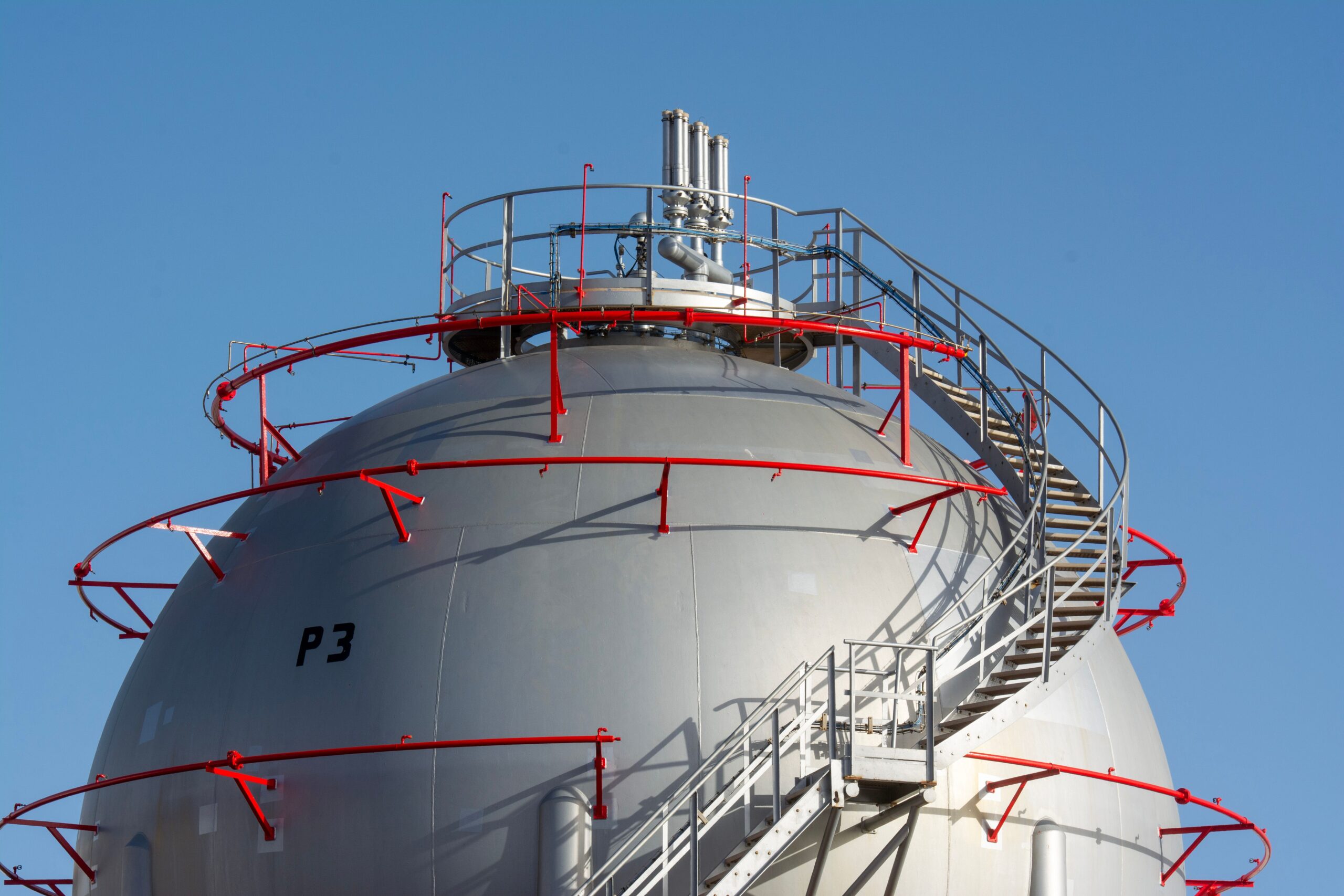
To understand the gravity of this warning, it is necessary to look at how gas storage functions within the Dutch energy system. The Netherlands relies heavily on underground storage facilities to balance seasonal demand. In summer, when heating demand is low, gas is injected into the ground. In winter, this stored gas is extracted to meet higher consumption. The “filling target” represents the percentage of total storage capacity that operators aim to reach by a specific date, usually late autumn, to ensure sufficient buffer for the coldest months. Missing this target implies that the system enters winter with less flexibility. If a harsh cold snap occurs, or if there are unexpected outages in import routes, the lack of stored gas could lead to tighter supply, potentially driving up spot prices and increasing the risk of gas rationing, a scenario Europe has not faced since the early 1970s.
Gasunie’s position is driven by the complex interplay of market forces and infrastructure constraints. The company operates in a market where gas prices are determined by global supply and demand dynamics, including industrial use in Asia and weather patterns across Europe. The warning suggests that the current market conditions are not supporting the aggressive filling levels previously anticipated. This could be due to higher spot prices making injection less attractive for traders, or physical constraints in the availability of gas for storage. For the Dutch government, this presents a policy dilemma. While the EU has set collective targets for filling gas storage to ensure regional security, national implementation can vary. Gasunie’s call for a “strategic reserve” suggests that standard commercial storage mechanisms may not be sufficient to guarantee security in an extreme scenario, advocating for a state-backed buffer to stabilize the market and protect consumers.
The implications of missing the filling target extend beyond the technical aspects of gas distribution. For households, it means a heightened sensitivity to weather forecasts. A colder-than-average winter could see a rapid drawdown of remaining storage, leading to volatile pricing. For industry, particularly in sectors like chemicals and manufacturing that rely on consistent gas supply, the uncertainty poses operational risks. Companies may need to adjust production schedules or seek alternative energy sources, adding complexity to their supply chains. The warning also highlights the broader challenge of energy transition. As the Netherlands moves away from its native gas fields, which have been phased out, it has become more dependent on imported gas and storage. This shift has introduced new variables into the energy equation, where domestic production once provided a stable baseline, but now the country must rely on the reliability of import pipelines and the efficiency of its storage infrastructure.

Gasunie’s warning is a reminder that energy security is not a static state but a dynamic management challenge. The utility’s role is to ensure the physical integrity of the gas system, but it operates within a market that is increasingly influenced by geopolitical factors and climate variability. The call for a strategic reserve indicates a recognition that market mechanisms alone may not be enough to protect against extreme risks. This is a significant departure from the liberalized energy models that have dominated Europe for decades, suggesting a potential shift towards more state intervention in critical energy infrastructure. The Dutch government’s response to this warning will be closely watched by other European nations, many of which face similar challenges in balancing energy security, affordability, and decarbonization goals.
As the winter months approach, the focus will turn to whether the current storage levels can withstand a harsh climate. The next verified development to watch will be the official decision by the Dutch government on whether to implement the proposed strategic reserve and how it will be funded and managed. In the meantime, Gasunie continues to monitor the situation, providing updates on storage levels and market conditions. For the Dutch public, the message is clear: the energy system is robust but not invulnerable, and the coming winter will require careful management to ensure that homes remain warm and industries continue to operate. The quiet hum of the compressors may soon be joined by the sound of policy debates, as the Netherlands navigates one of the most critical tests of its energy resilience in recent years.