

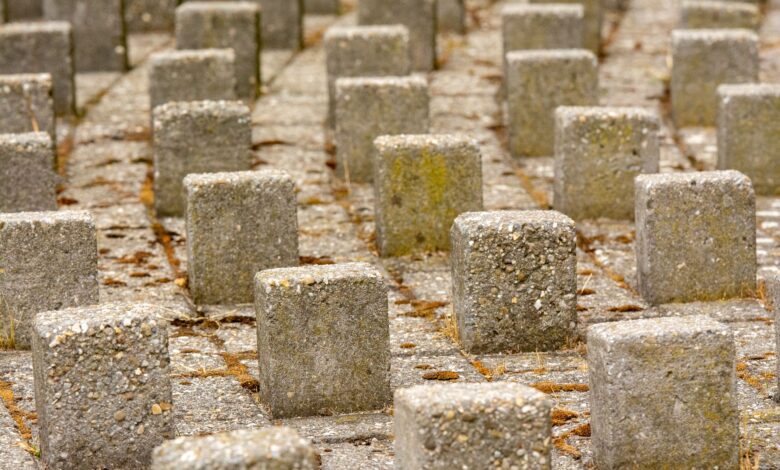
During his address, Picardo stated that the Rock is not going to relinquish its sovereignty and that certain lines will not be crossed. He noted that the government has presented a claim to Spain to recover the block, asserting that its removal was an attempt to complicate the work of Spanish fishermen. “We are going to recover our block,” Picardo said, emphasizing that the theft of a sovereign asset from Gibraltar’s waters would not go unanswered.
The demand immediately drew a sharp response from Ortega Smith, who posted a message on the social network X addressing Picardo as a “pirate.” “If you dare, come and look for him and take him on your back,” Ortega Smith wrote, referring to the block. He referred to Gibraltar as “Spanish Gibraltar” and called its leaders “pirates out of the Rock.”
The incident has legal ramifications that extend beyond diplomatic spats. Gibraltar issued a search and arrest warrant against Ortega Smith for the theft, a charge that resulted in a court sentence of up to ten years in prison. When questioned about the potential legal consequences of setting foot in Gibraltar, Ortega Smith dismissed the threat, stating he was not intimidated by the warrant. He maintained that he would return to take another block “the first chance he gets.”
Fishing Rights and Sovereignty Claims
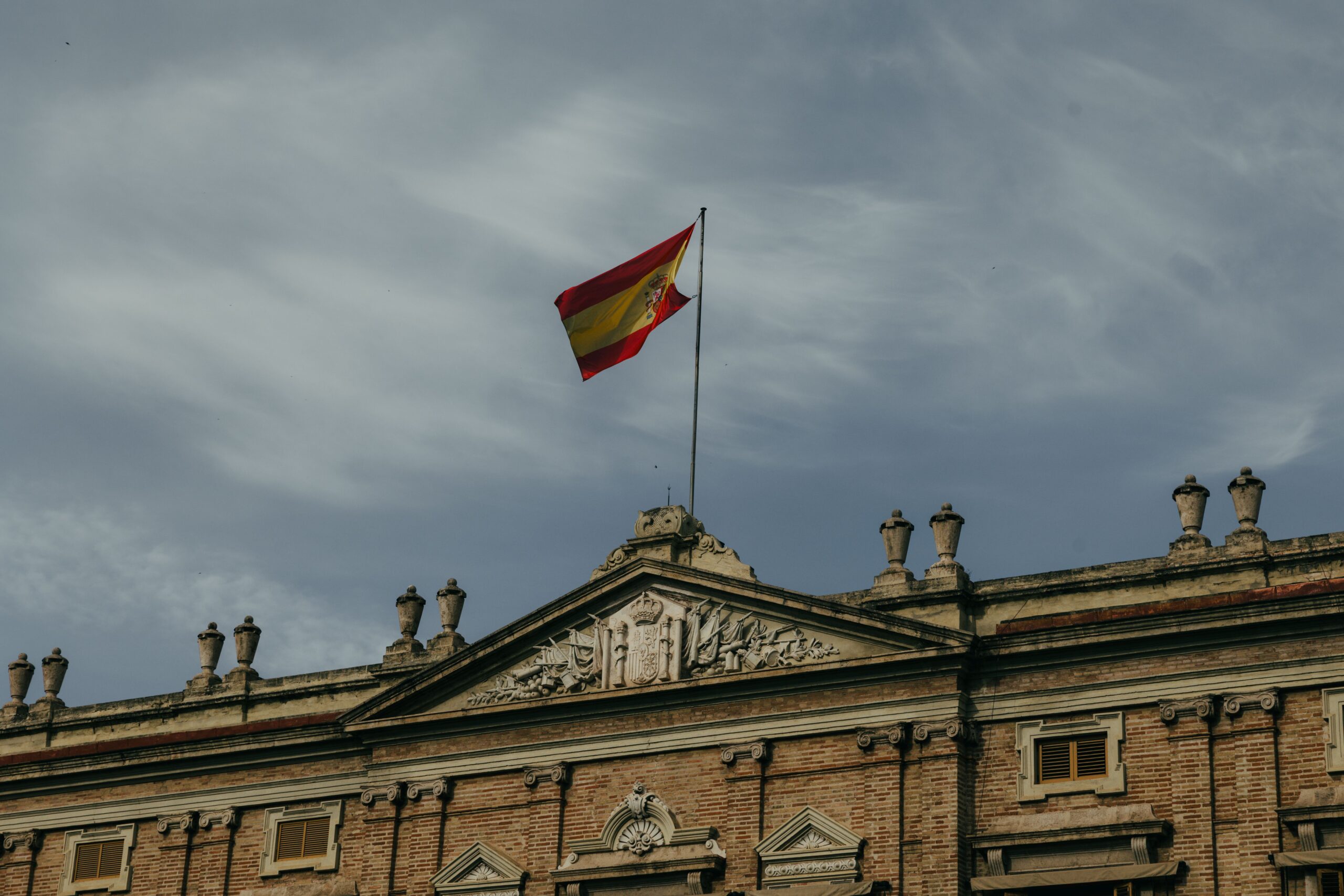
Ortega Smith’s defense of the act centers on maritime access. He argued that Spanish fishermen have the right to fish in the Bay of Algeciras and that the concrete blocks were placed to obstruct their work. In a speech at the inauguration of Vox’s headquarters in Valencia, he declared that he would inform Gibraltarian authorities of this right as soon as possible. He further asserted that Gibraltar should be “decolonised and handed over to Spain,” labeling it the “last colony in Europe” and citing United Nations declarations in his argument.
The political rhetoric surrounding the block has intensified alongside broader tensions between the territories. Ortega Smith accused Gibraltar of being a “nest of crime and pirates,” alleging that the territory lives off drug trafficking and money laundering. He claimed that the Campo de Gibraltar region is “ruined” by these activities and that various Spanish governments, from the People’s Party to the current administration, have been too permissive. He referred to the current Spanish leadership with derogatory terms, accusing them of being “traitors” in their handling of the colony.
Despite the hostile language, the core issue remains the physical possession of the block and the legal status of Gibraltar’s waters. For Gibraltar, the return of the block is framed as a matter of restoring stolen property and affirming sovereignty. For Ortega Smith and his supporters, the block represents a tangible assertion of Spanish maritime rights in the Bay of Algeciras.
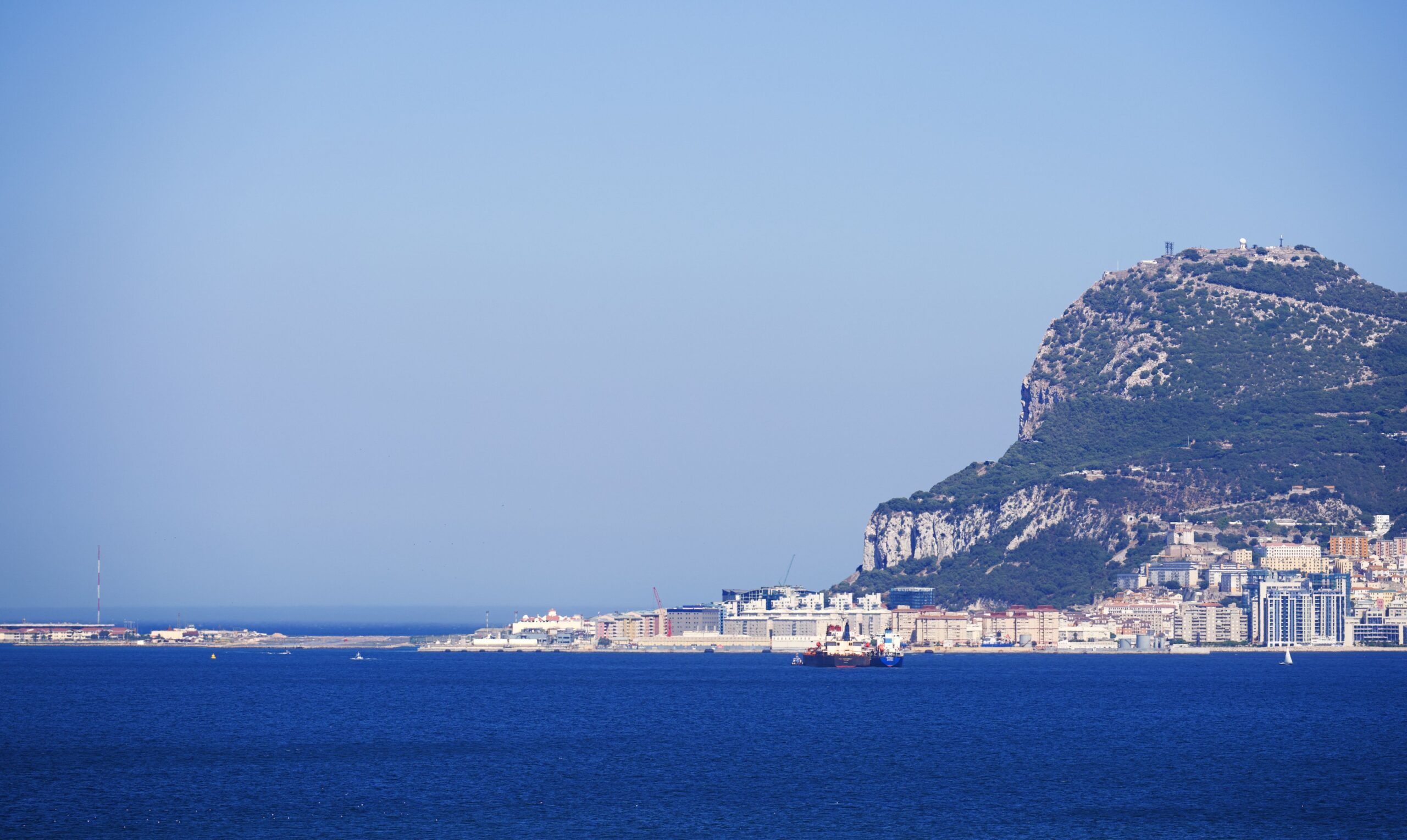
The dispute highlights the friction that persists in the relationship between the two territories, where economic activities such as fishing are deeply intertwined with political identity. While Gibraltar has sought legal recourse through the courts, resulting in the prison sentence for Ortega Smith, the political figure remains active in Spanish national politics, using the incident to rally support around his party’s stance on Gibraltar.
As the demand for the block’s return moves through diplomatic channels, the focus remains on whether legal or political pressure will compel Spain to facilitate its return. For now, the concrete block remains a fixture at the Vox headquarters, serving as a constant reminder of the unresolved tensions between Gibraltar and Spain over sovereignty and maritime access.