
The primary objective of the summit is to strengthen the European Union’s collective ability to detect, deter, and respond to these non-traditional security threats. Unlike conventional military engagements, hybrid warfare involves a blend of covert and overt actions, including sabotage, cyberattacks, disinformation campaigns, and infrastructure disruption. For the EU, the challenge lies in the diffuse nature of these threats, which often target civilian infrastructure and economic stability rather than state military assets.
Kallas’s assessment suggests that the threat environment is not static but evolving, with Russian state actors potentially scaling up their activities. By characterizing the situation as involving “planned” further sabotage, the warning implies a systematic approach rather than isolated incidents. This framing shifts the diplomatic focus from reactive crisis management to proactive defense and resilience building.
Defining the Hybrid Threat Landscape
The term “hybrid threat” in the European context typically refers to a spectrum of malicious activities that fall below the threshold of open war but significantly erode national and regional security. These can include physical sabotage of energy grids, pipelines, or port facilities; cyber intrusions into critical government or corporate systems; and coordinated information operations designed to sow discord within member states.
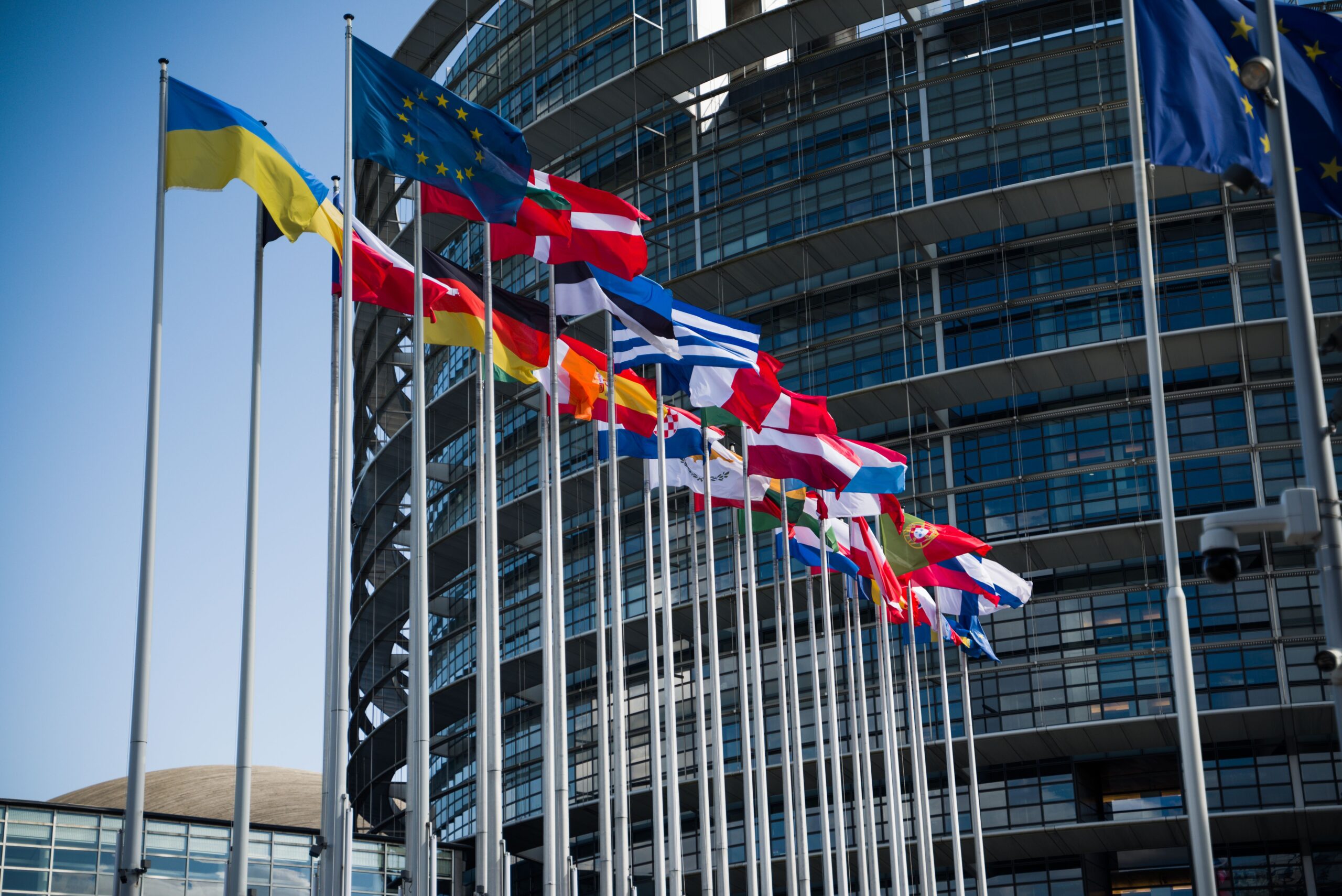
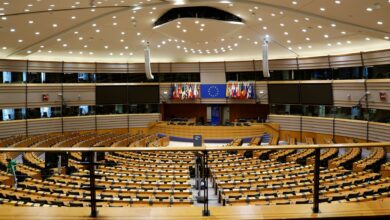
The meeting on Monday marks a significant step in how the EU approaches this domain. Historically, security has been the prerogative of individual member states or military alliances. However, the interconnected nature of modern European infrastructure and digital networks means that an attack on one node can have cascading effects across the continent. The ministers are expected to discuss mechanisms for better intelligence sharing, joint response protocols, and the allocation of resources to harden critical infrastructure.
“Russia is planning further sabotage across Europe,” Kallas warned, signaling the urgency of the bloc’s coordinated response.
The diplomatic significance of this gathering cannot be overstated. It represents an effort to present a unified front, signaling to potential adversaries that the EU is consolidating its defensive capabilities. A fragmented response, where each nation acts in isolation, is vulnerable to exploitation by state actors who can identify and target weak links in the chain. By coordinating at the foreign minister level, the EU aims to create a more robust and resilient security architecture.
Implications for European Security Policy
The focus on hybrid threats reflects a broader shift in European strategic thinking. The bloc is increasingly recognizing that its security is multifaceted, encompassing not only territorial defense but also the integrity of its digital and physical infrastructure. This has implications for budgetary priorities, with a likely increase in funding for cybersecurity, border security, and intelligence agencies.

Furthermore, the meeting underscores the complex relationship between the EU and its largest neighbor. While diplomatic channels remain open, the warning of planned sabotage indicates a deepening mistrust and a hardening of positions. The EU must now balance its economic interests with the need for robust security measures, ensuring that trade and diplomatic engagement are not undermined by security vulnerabilities.
As the ministers deliberate, the underlying message is clear: the era of assuming that hybrid threats are sporadic or low-intensity is ending. The EU is moving towards a posture of sustained vigilance and coordinated defense. The outcomes of the Monday meeting will set the tone for the bloc’s security strategy in the months ahead, potentially leading to new regulations, joint exercises, and enhanced cooperation among national security services.
The coming weeks will reveal whether the diplomatic consensus translates into tangible operational improvements. For now, the warning stands as a stark reminder of the persistent and evolving challenges facing European security. The ability of the EU to act decisively and cohesively will be tested not just by the nature of the threats, but by the speed and efficacy of its collective response.