The quake, recorded at 4:58 a.m. local time, had its epicenter 68 kilometers northwest of Ende. It triggered brief tsunami alerts, which were later lifted by the Meteorology, Climatology and Geophysics Agency (BMKG), and generated hundreds of aftershocks, including one of magnitude 6.1. The tremors were felt across Flores and in neighboring West Nusa Tenggara and South Sulawesi.
BNPB reported that 11,925 homes had been damaged as of Tuesday, with 5,516 classified as severely damaged. The disaster has affected 16,411 families across three provinces, nine regencies, and one city. In addition to residential damage, 663 educational facilities, 182 health facilities, and 184 government offices were damaged. No specific environmental impact or climate attribution was cited in the provided reports.
Rescue efforts have been hampered by communication disruptions and power outages, though telecommunications recovery has reached 98.3% and electricity services have been largely restored. The government has established emergency response posts in Nagekeo Regency and logistics hubs at airports in Ende and Ngada to coordinate aid distribution. Fifty thousand aid packages are en route, and five aircraft were dispatched from Jakarta to support operations.
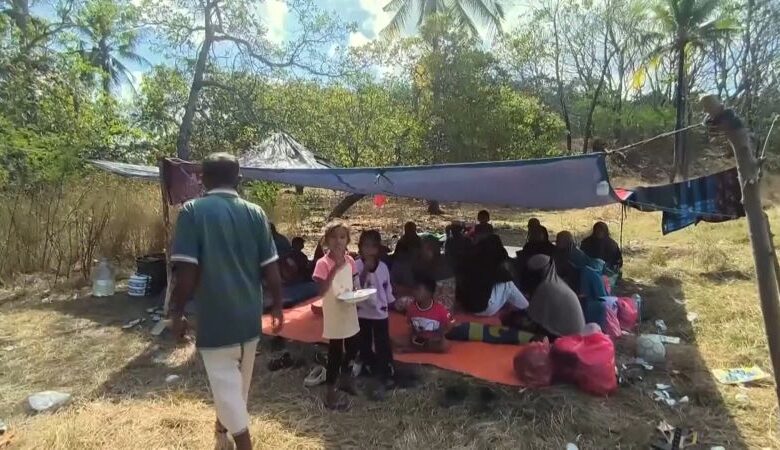
Residents in coastal areas such as Sikka and Nagekeo fled to higher ground during the initial tremor, with some reporting the sea receding—a sign of potential tsunami activity. Deputy Health Minister Benjamin Paulus Octavianus stated that scores of people sustained injuries, with BNPB confirming 1,182 injured individuals. Locals in West Cibal subdistrict and Kota Komba district have reported urgent needs for tarpaulin, food, medicine, and clean water, as makeshift shelters remain fragile and water systems are disrupted.
President Prabowo Subianto has ordered the expedited distribution of logistics, with Cabinet Secretary Teddy Indra Wijaya confirming that 253 tonnes of supplies have been delivered so far. Seismologists warn that the region remains at risk from further aftershocks that could cause additional collapse of already damaged structures. The government is prioritizing the restoration of roads, electricity, and communications to facilitate ongoing search and rescue operations for missing residents.