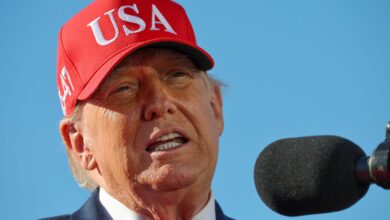
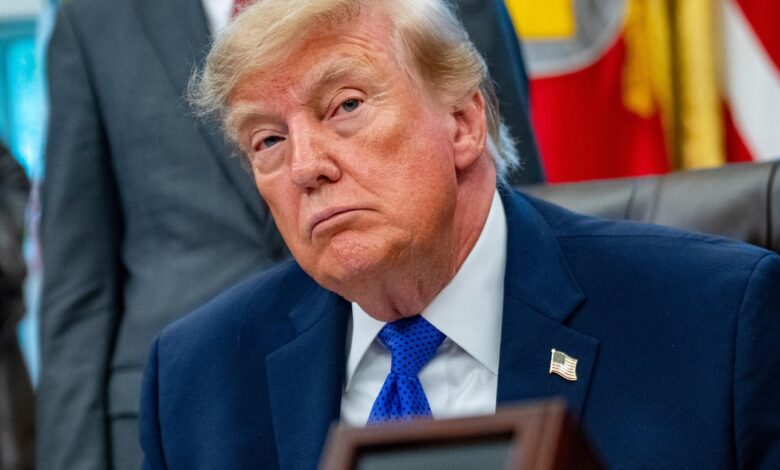
These sanctions coincide with a diplomatic impasse regarding a ceasefire. Iranian Foreign Minister Abbas Araghchi confirmed that Tehran’s “seven-point plan,” conveyed to Washington through Qatari intermediaries during the recent United Nations General Assembly, is awaiting an official U.S. response. However, President Donald Trump dismissed the proposal on Saturday, stating that U.S. and Iranian negotiators are in contact via mediators but insisting he has “offered them NOTHING” to secure a peace deal. Maj. Gen. Mohsen Rezaei, head of Iran’s Supreme National Security Council, accused Trump of being “incapable of decision-making,” describing the U.S. president as trapped in a quagmire where he can neither negotiate nor fight effectively.
The economic pressure is part of a wider strategy to isolate Tehran, which Trump has threatened to expand to “economic warfare and isolation on an unprecedented scale.” This includes warnings to any country providing financial, commercial, or logistical support to Iran. Iranian officials have condemned these policies, arguing that economic pressure is being used to influence both Iran and the wider international system. The sanctions come as the IAEA has again found Iran in non-compliance with safeguard obligations, returning the nuclear file to the UN Security Council. In a parallel development, China and Russia recently vetoed a U.S. resolution seeking to extend the UN’s ability to assess Iran’s compliance with nuclear sanctions, further complicating the diplomatic landscape.
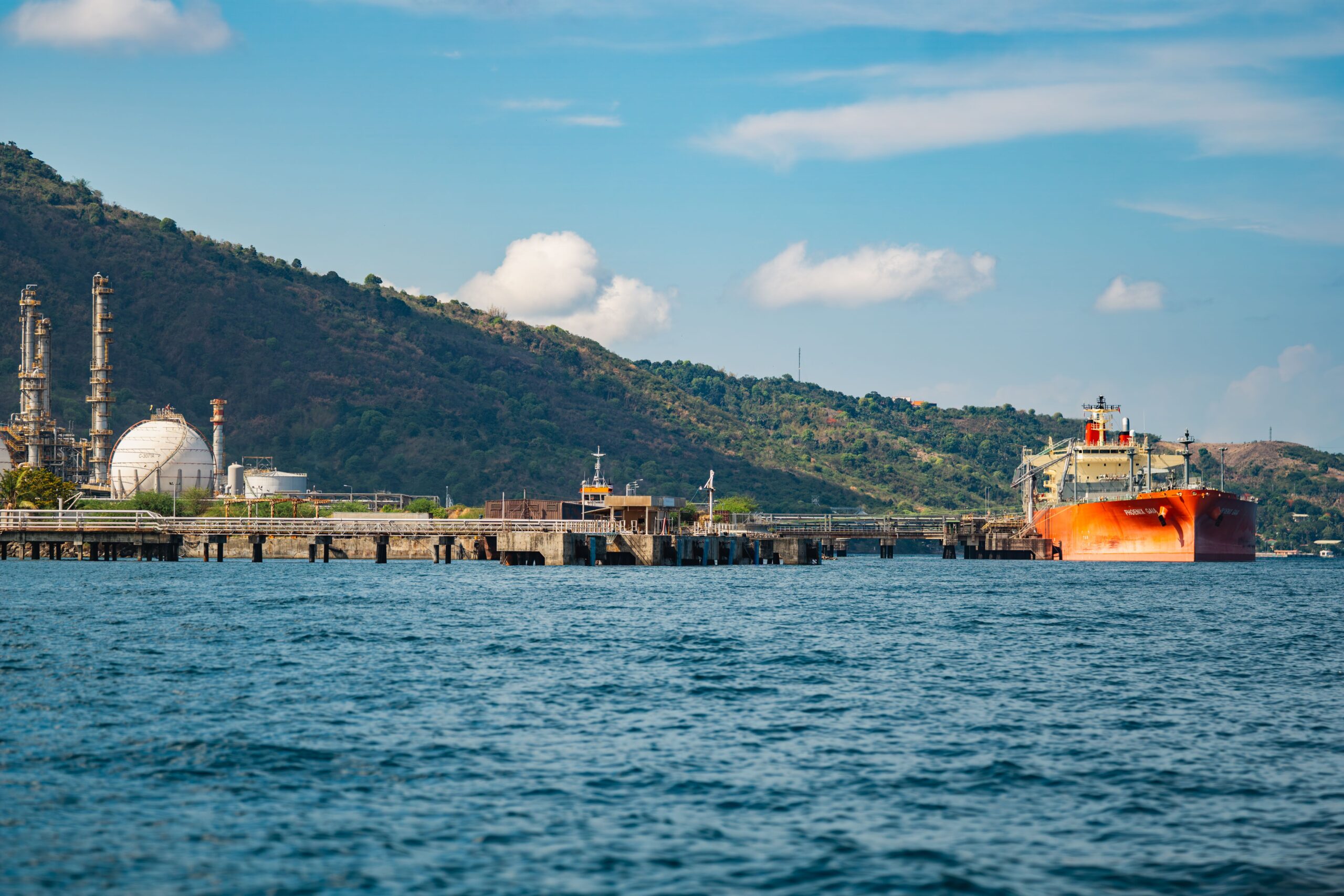
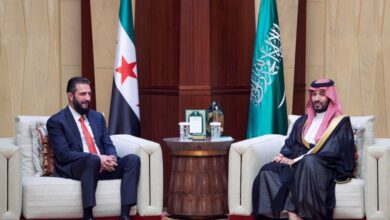
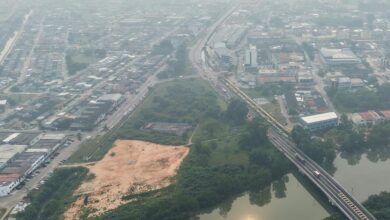
The closure of the Strait of Hormuz, a critical waterway through which a fifth of the world’s traded oil and gas previously transited, has sent shock waves through the global economy. With the strait remaining closed, countries are scrambling for alternative energy routes. Syria, under interim president Ahmad al-Sharaa, has leveraged the Baniyas port to offer an alternative passage. Iraq has begun importing gasoline through Syria under a three-month agreement, with the first shipment arriving at the port on Thursday. This workaround allows Iraq to bypass the Hormuz blockade, a move that underscores the severe disruption to regional energy flows and the economic desperation driving new bilateral arrangements in the region.
Diplomatic efforts to resolve the underlying nuclear dispute remain stalled. While a previous Memorandum of Understanding included pledges for Iran to halt nuclear weapon development and for the U.S. to lift sanctions, these terms remain largely unimplemented. Critics argue that the current approach relies too heavily on force and economic coercion, noting that a comprehensive diplomatic settlement addressing regional security and freedom of navigation is necessary to prevent further escalation. The next significant development will likely hinge on whether Washington provides the official response to the seven-point plan that Iranian officials are still awaiting.