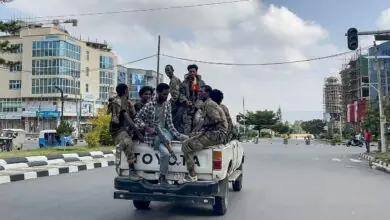
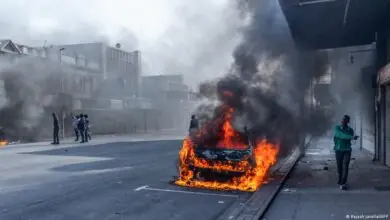
The immediate trigger for the standoff was the entry of Eritrean troops into two towns in Tigray. Ermiyas Ababu, a commander of the Tigray Peace Force based in Mekelle, stated that Eritrean personnel entered the town of Adigrat on Tuesday and Idaga Hamus on Wednesday. He reported that military officers were conducting surveillance in Idaga Hamus. Separately, the conflict monitoring group ACLED confirmed that Eritrean troops crossed the border at Zelambesa on Wednesday. As the forces moved toward Idaga Hamus, Ethiopian military drones targeted them at Guada. ACLED further reported that “multiple drone strikes” hit Eritrean troops and ammunition in Adigrat overnight. Witnesses in the area described the intensity of the bombardment, with one resident noting that several Eritrean lorries were destroyed. While some witnesses suggested Eritrean forces were retreating north following the strikes, independent verification of casualty figures remains unavailable.
The diplomatic fallout has been swift and severe. Eritrea’s Information Minister, Yemane Gebremeskel, rejected Ethiopia’s claims, accusing the ruling party of fabricating a “fallacious narrative of ‘self-defense.'” In a response to the Ethiopian accusations, Gebremeskel stated that Eritrea was facing an “unprovoked war of aggression” from its neighbor. The tension had already reached a breaking point last week when Eritrea severed diplomatic ties after Ethiopia expelled 10 Eritrean diplomats and closed its embassy in Asmara.
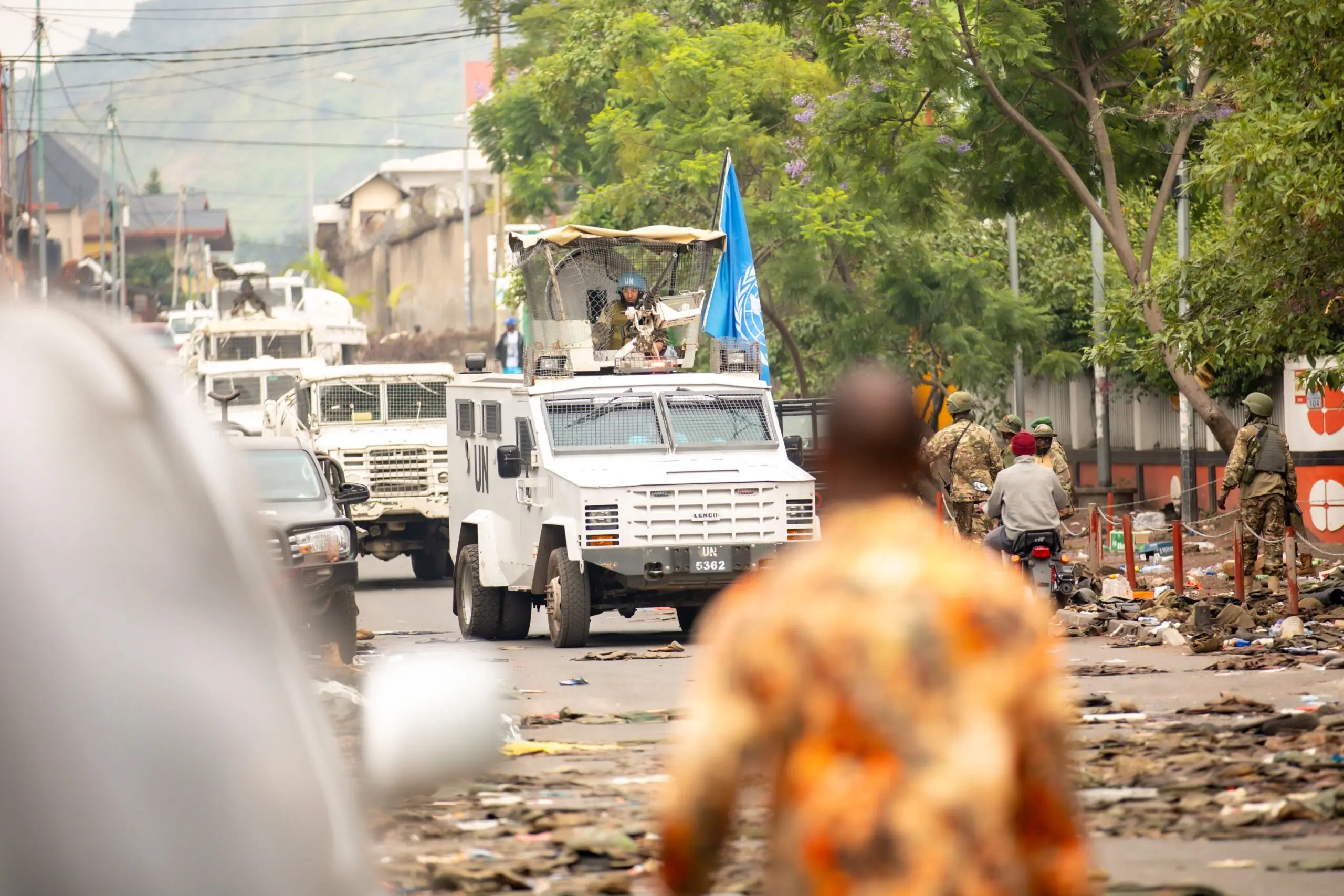
Underlying these recent confrontations is a deeper strategic dispute. Prime Minister Abiy Ahmed reiterated on Monday that Ethiopia, a landlocked country since Eritrea’s independence in 1993, must have access to the Red Sea. This ambition, particularly regarding potential ownership of Eritrean ports, has been a primary driver of the deteriorating relationship. During the 2020–2022 civil war, Eritrea was a key ally of the Ethiopian government, fighting alongside federal forces against the Tigray People’s Liberation Front (TPLF). However, that alliance has collapsed as Ethiopia accuses Eritrea of currently backing the TPLF, a charge Asmara firmly denies.
The military dynamics on the ground reflect the unraveling of the 2022 peace deal. Fighting resumed late last month between Ethiopian government forces and an opposition alliance that includes the TPLF. The TPLF joined six other opposition groups in an alliance seeking to oust Prime Minister Abiy. In response to the shifting front lines, government-allied fighters entered Mekelle, Tigray’s regional capital, on Sunday after the TPLF announced its withdrawal. Residents in the nearby city of Shire, a major hub for humanitarian aid and displaced persons, reported that TPLF forces had withdrawn earlier in the week. Mesu’ud Ahmed, a resident of Shire, noted that while government forces had not yet entered the town, shops had closed and merchandise was being moved in fear of looting. The Tigray Peace Force, which includes former members of the TPLF’s armed wing, imposed a curfew in Mekelle from 8 p.m. to 6 a.m. on Wednesday, stating it was working with federal troops to expand its control.
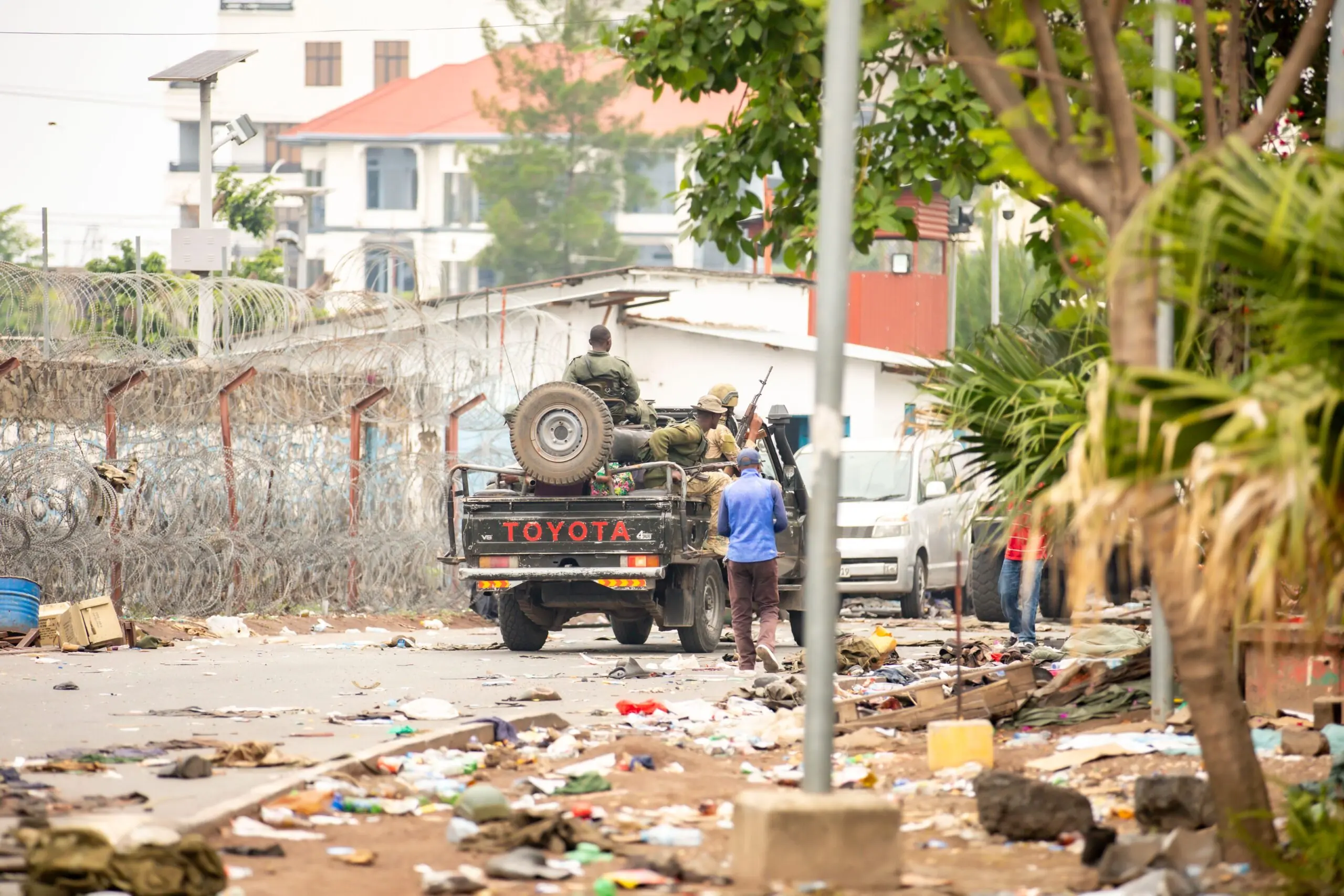
International observers are watching closely, with concerns rising that the confrontation could spill over into a wider regional war. Both nations have allies in the region, and the potential for these actors to become involved adds a layer of complexity to the crisis. While Ethiopia’s Foreign Ministry stated it remains committed to dialogue and peaceful engagement, the letter to the UN Security Council frames the current situation as a matter of survival. “In this time of difficulty, when Ethiopia is left with no other option but to defend itself, we count on your understanding, support, and solidarity,” the letter read.
As drone strikes continue and diplomatic channels remain severed, the central tension lies in whether these two neighbors can prevent a localized border dispute from evolving into a full-scale regional conflict. The resolution will depend on whether the immediate military posturing de-escalates or if the underlying grievances over sovereignty and sea access drive further engagement.