The rationale for this pause was articulated by US Secretary of State Marco Rubio, who emphasized that the sanctions in question were not exclusively targeted at Russia. “The problem is that these sanctions involved not only Russia,” Rubio stated. “They included tariffs on a number of countries – for example, India and others.” According to Rubio, the administration intends to use the 60-day window to analyze the broader economic consequences of implementing both sanctions and tariffs simultaneously. The core concern is the potential ripple effect on the US and global economies, particularly given the current volatility in energy supplies.
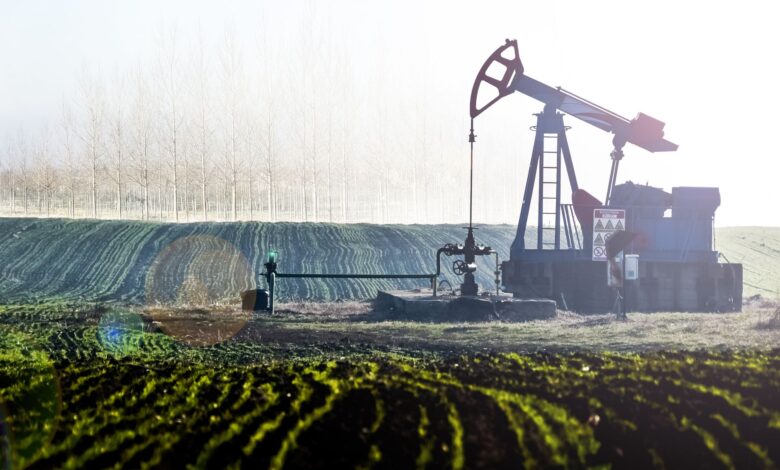
The timing of this decision coincides with a period of heightened uncertainty in the global energy sector. Rubio noted that the world is currently experiencing “pressure on global energy carriers” from multiple, interconnected conflicts. He pointed to the situation in Iran and the Strait of Hormuz as a primary driver of volatility, but also cited attacks by Houthi forces on Saudi Arabia and the ongoing war between Russia and Ukraine. In his assessment, the conflict in Ukraine has resulted in strikes on energy infrastructure, further constraining global supply. “These issues need to be resolved delicately and carefully, because they are all intertwined,” Rubio said, arguing that the administration must weigh the pros and cons of tightening sanctions while the market is already under stress.
India serves as a key example in this calculation. While the country has voluntarily diversified its supply sources, it still receives a significant portion of its energy from Russia. The Graham Law, as originally drafted, included exceptions precisely because legislators recognized that time would be needed to study the issue, considering the rapidly changing geopolitical landscape. Rubio defended the move by noting that Russian diesel fuel would likely reach the global market regardless of the sanctions. “The diesel fuel that Putin intends to sell would end up on the world market one way or another,” he argued. “The only difference is how much of it the United States would receive.” He added that this is not a precedent-free decision, pointing to a similar 60-day exception granted for Russian oil several months earlier during tensions in the Strait of Hormuz.
The pause has drawn sharp criticism from critics who view it as a concession to the Kremlin. Senator Richard Blumenthal, who helped draft the Graham Law, sharply criticized Trump for refusing to take new steps to pressure Russia. Blumenthal’s objections highlight a significant disconnect between the legislative intent of the law, which aimed to impose strict penalties on Russia’s energy sector, and the executive branch’s current focus on macroeconomic stability and energy price containment. Conversely, Ukrainian President Volodymyr Zelensky stated that the Graham Law could still exert pressure on Russia despite the temporary suspension of new sanctions under it. This suggests that the underlying legislative framework remains intact, even if its immediate enforcement is delayed.
For businesses and consumers, the uncertainty is palpable. The US administration’s admission that global conflicts are “interconnected” signals that energy prices may remain volatile in the near term. Importers and retailers in countries like India, which rely heavily on Russian energy, face a complex landscape where sanctions policy is shifting in response to real-time market conditions rather than fixed diplomatic timelines. The 60-day period creates a temporary reprieve, but it also introduces a new variable: the potential for a more aggressive sanctions package if the administration’s analysis concludes that the economic benefits of pressure outweigh the costs of market disruption.
The next critical moment will be the expiration of this 60-day window. At that point, the Trump administration must decide whether to proceed with the full implementation of the Graham Law sanctions or to extend the waiver. This decision will be heavily influenced by developments in the Strait of Hormuz, the intensity of attacks on Saudi energy infrastructure, and the state of energy infrastructure in Ukraine. For now, the global market is holding its breath, waiting to see if the US chooses to prioritize diplomatic and economic stability over the immediate application of punitive trade measures.