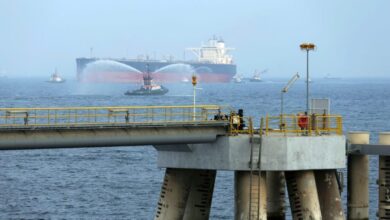
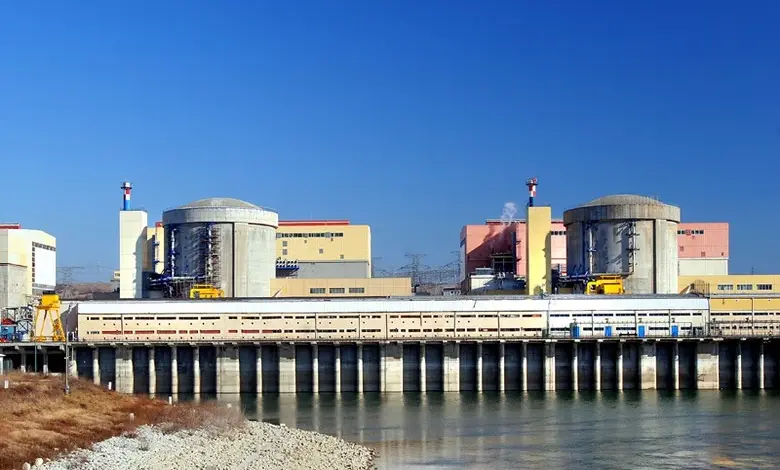
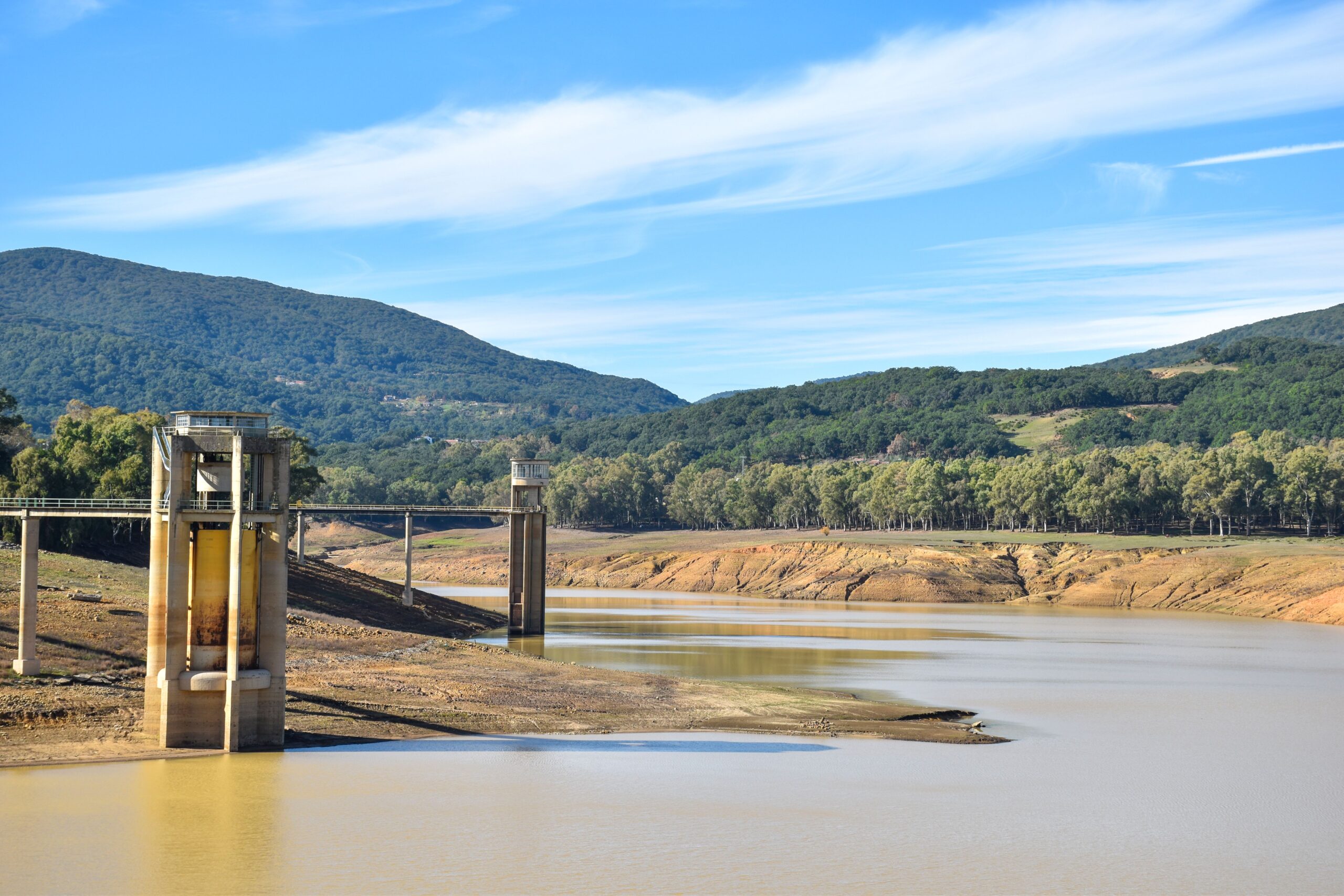
The Cernavoda NPP, located on the banks of the Danube approximately 100 kilometers east of Bucharest, relies on the river for its cooling water intake. As water levels drop, the plant faces operational limits that force it to reduce output or cease operations entirely to maintain safety and mechanical integrity. This event highlights a distinct system-wide risk: while nuclear energy is often characterized by its low operational carbon footprint and high capacity factor, it remains dependent on physical infrastructure and environmental conditions. The distinction between installed capacity and actual energy generation becomes stark in such scenarios; the nameplate capacity of the plant does not guarantee deliverable electricity when hydrological conditions constrain the cooling cycle.
According to the revised 2026 draft budget, SN Nuclearelectrica expects to restart both reactors on November 1. This timeline suggests that the current shutdowns are classified as temporary disruptions rather than structural supply changes, provided that water levels recover sufficiently. However, the financial haircut indicates that the duration and severity of these low-water episodes have had a material impact on the company’s revenue generation capacity for the year. The cut in profit forecasts serves as a direct transmission of operational risk to the financial bottom line, affecting both the company’s cash flow and potentially the state’s dividend expectations, given Nuclearelectrica’s status as a state entity.
Amidst these operational challenges, the Romanian nuclear sector is simultaneously pursuing long-term strategic expansion. Nucleoeléctrica Argentina, Argentina’s state nuclear company, and SN Nuclearelectrica have signed a memorandum of understanding (MoU) to advance projects involving CANDU 6 nuclear power plant technology. The agreement marks a step in Nucleoeléctrica’s strategy to market the capabilities developed over more than five decades of nuclear operations, including specialized services, engineering, and technological solutions.
The focus on CANDU 6 technology is significant for the global nuclear supply chain. CANDU (CANada Deuterium Uranium) reactors use heavy water as a moderator and light water as a coolant, allowing them to operate with natural uranium, which distinguishes them from the light-water reactors that dominate the global fleet. The CANDU 6 is a next-generation design intended to improve efficiency and safety. While the MoU represents a preliminary step in international cooperation, it does not constitute a finalized contract for construction or financing. It reflects a broader trend of nuclear utilities seeking to diversify their technological partnerships and export engineering expertise to mitigate domestic operational risks and secure future baseload capacity.
The interplay between the immediate operational crisis at Cernavoda and the strategic outreach with Argentina illustrates the dual pressure facing national nuclear utilities. On one hand, operators must manage the reliability of existing infrastructure against variable environmental inputs, such as river discharge and water temperature. On the other, they must navigate complex geopolitical and commercial landscapes to secure the technology and supply chains necessary for fleet expansion. The low water levels in the Danube serve as a cautionary indicator for other river-based nuclear facilities in Europe facing similar climate variability, potentially impacting grid reliability and wholesale electricity prices during peak demand periods if multiple units are forced offline simultaneously.
For consumers and market participants, the immediate implication is a potential reduction in domestic nuclear supply, which may necessitate increased reliance on other generation sources, such as natural gas or coal, to meet demand. This shift can influence wholesale electricity rates, particularly in periods of high demand or low renewable output. The company’s target of restarting both reactors by November 1 is a critical milestone that will determine the extent of the supply deficit for the remainder of the year. Until that date, the grid must compensate for the lost baseload capacity, highlighting the importance of grid flexibility and interconnection with neighboring markets.
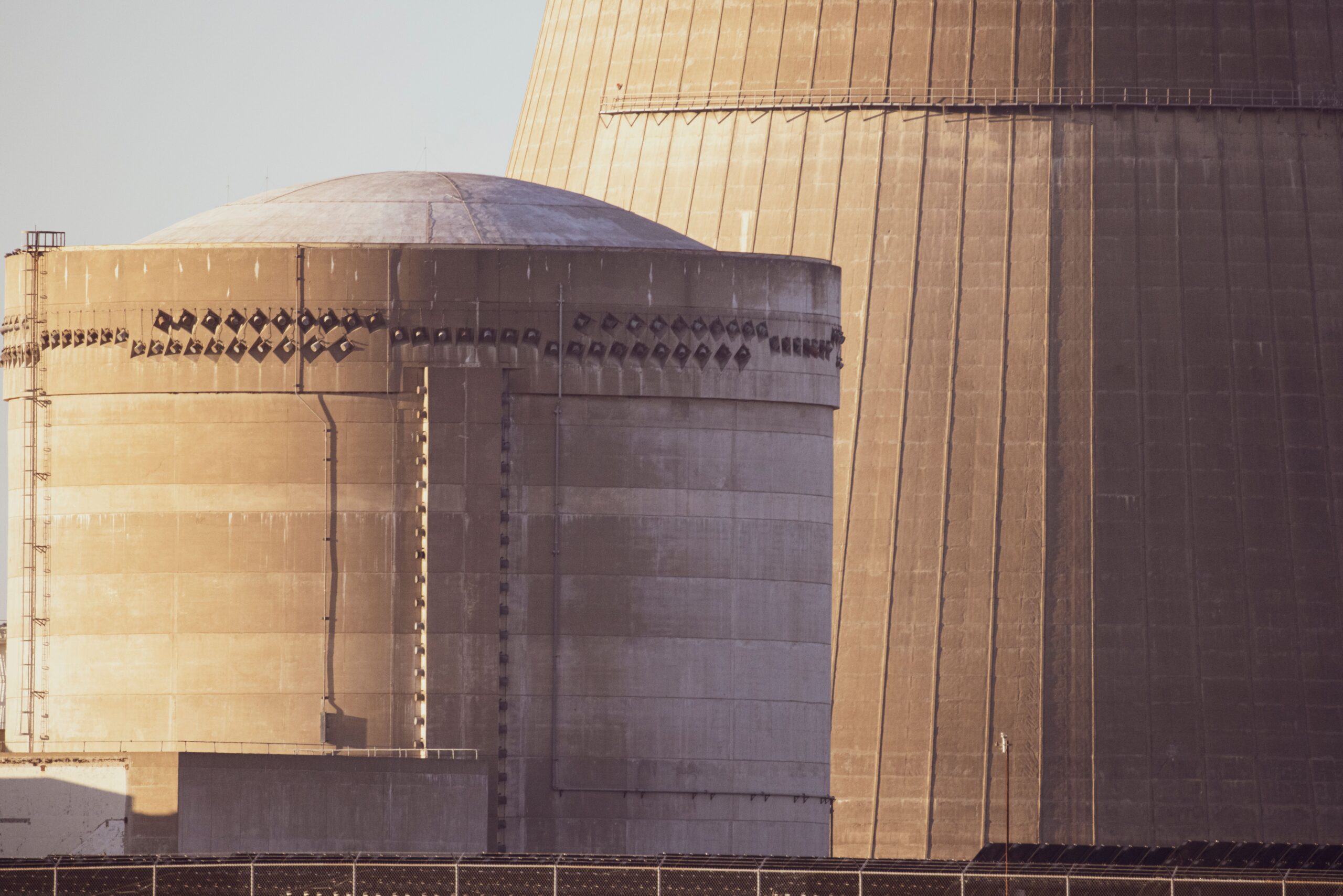
It is crucial to distinguish between the operational emissions of the nuclear plant, which are near zero during normal operation, and the broader lifecycle impacts, which include construction and waste management. However, the current issue is not related to emissions but to physical operability. The financial penalty of 42.9% underscores that nuclear energy, while stable, is not immune to external shocks. The reliability of baseload power is increasingly contingent on adaptive management of physical constraints, a factor that must be weighted in long-term energy transition planning and infrastructure investment decisions.
The next major test for SN Nuclearelectrica will be the successful execution of the November 1 restart, contingent on water level recovery. Investors and policymakers should monitor Danube hydrological data over the coming weeks to assess the likelihood of the timeline being met. Any further delays could compress the operating window for 2026, potentially leading to further downward revisions in financial performance and raising questions about the resilience of river-cooled nuclear assets in a warming climate.