For years, the prevailing assumption in the tech industry was that scaling up compute resources—simply adding more graphics processing units (GPUs) and memory—would be the primary lever for improving AI capabilities. While this remains a factor, recent evidence suggests that the marginal gains from brute-force scaling have begun to plateau. Instead, the breakthroughs that have enabled faster inference times, lower energy consumption, and more complex reasoning capabilities have come from re-engineering the invisible plumbing of the system. This includes advancements in interconnect technology, specialized chip architectures, and data center cooling systems that allow for higher density computing without proportional increases in power draw.
The implication of this shift is profound for the economics of AI deployment. As these invisible infrastructure improvements mature, the cost per token—the unit of measurement for AI processing—is decreasing. This reduction is not driven by a drop in the price of silicon, but by a fundamental increase in how efficiently that silicon is utilized. Data centers are no longer just warehouses for electricity and chips; they are becoming highly optimized manufacturing lines where the “product” is intelligence. The efficiency gains in memory bandwidth and data transfer speeds mean that models can process information more rapidly, reducing the latency that has historically hindered real-time applications.
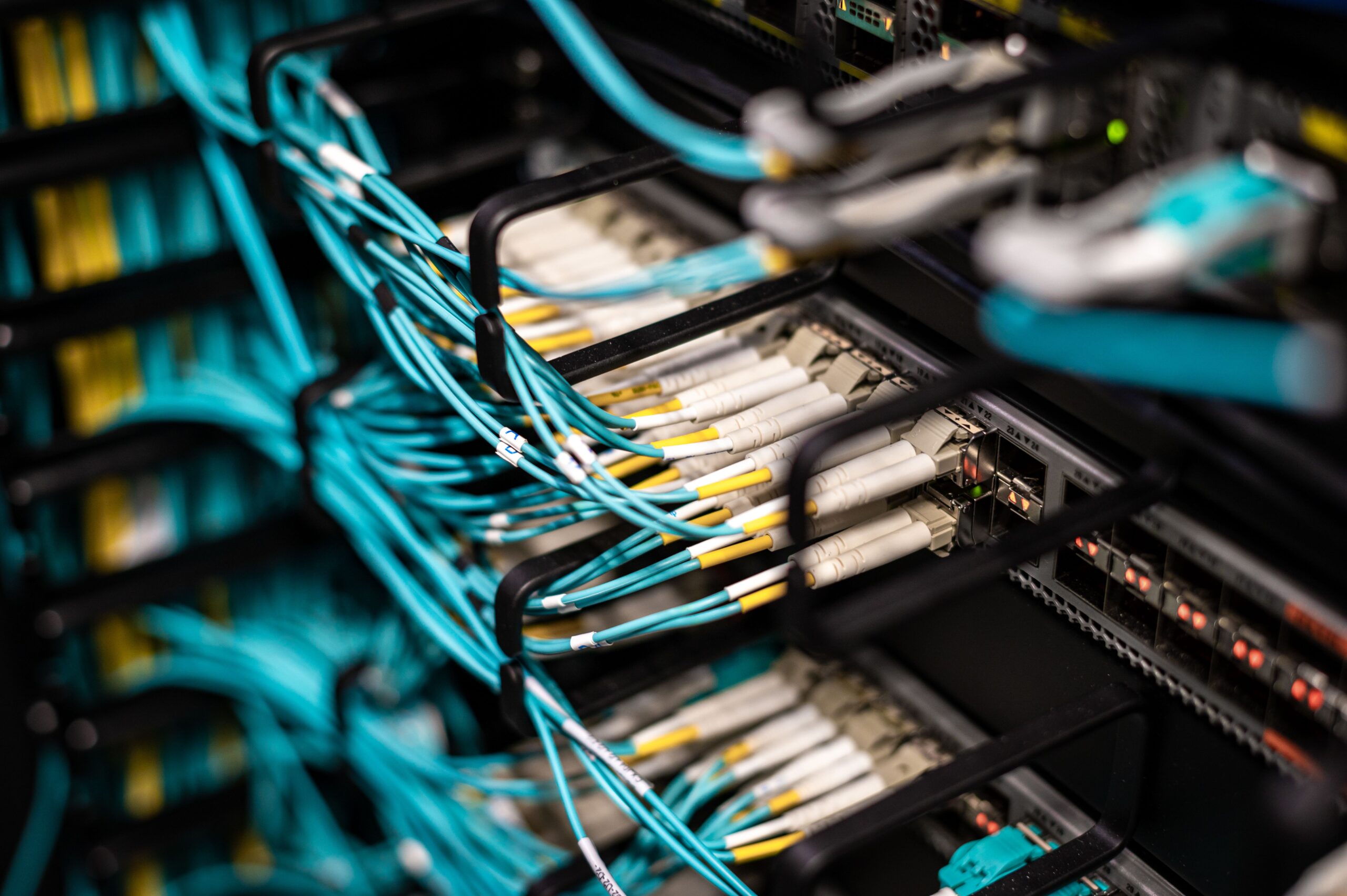
This transition affects the broader tech ecosystem in several measurable ways. First, it lowers the barrier to entry for smaller companies and startups that previously could not afford the massive compute bills required to train or run large models. By optimizing the underlying hardware, the total cost of ownership for AI systems has dropped, allowing for more widespread adoption. Second, it shifts the competitive advantage from raw capital expenditure to engineering sophistication. Companies that have invested in optimizing the “invisible” layers of their infrastructure are seeing higher returns on their capital investment compared to those relying solely on purchasing more standard hardware.
There is, however, a degree of uncertainty regarding the sustainability of these efficiency gains. Critics argue that we are approaching physical limits in semiconductor technology, meaning that future breakthroughs will require even more radical architectural changes rather than incremental improvements. There is also a debate about whether the current focus on efficiency is sufficient to address the environmental impact of data centers. While the energy-per-task metrics are improving, the sheer volume of AI workloads is growing so rapidly that total energy consumption continues to rise. This creates a tension between the efficiency of the individual unit and the scale of the overall network.
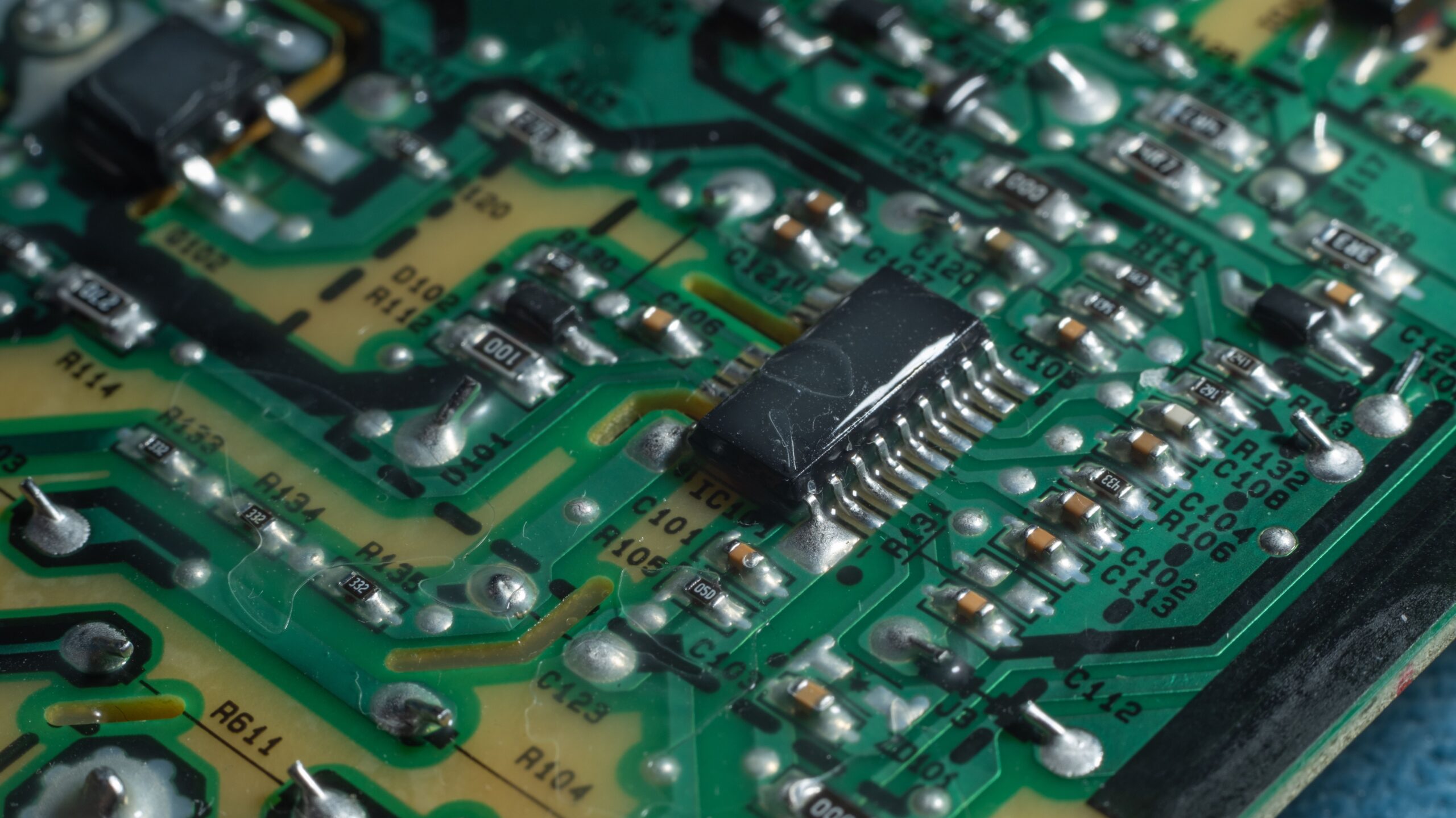
Businesses are responding to this landscape by re-evaluating their infrastructure strategies. Rather than viewing compute as a simple utility to be bought at market rates, they are increasingly treating it as a core engineering discipline. This has led to a rise in custom silicon development, where major AI firms design their own chips tailored specifically to the needs of their models, bypassing the generic offerings of traditional semiconductor vendors. These custom solutions are often cited as the reason for the recent leap in performance, as they eliminate the waste inherent in general-purpose hardware. The result is a more fragmented but also more efficient market, where the “invisible” technology is becoming the primary differentiator between leading AI providers.
Looking ahead, the next phase of AI development will likely be defined by these infrastructure constraints and opportunities. The race is no longer just about who can build the largest model, but who can run it most effectively. The invisible technology behind the scenes—chips, cooling, interconnects, and data architecture—will determine which companies can scale their operations profitably. As the industry matures, the focus will remain on these foundational elements, as they are the true enablers of the capabilities that users see on their screens. The true measure of progress in AI is no longer just the size of the model, but the efficiency of the system that powers it.