
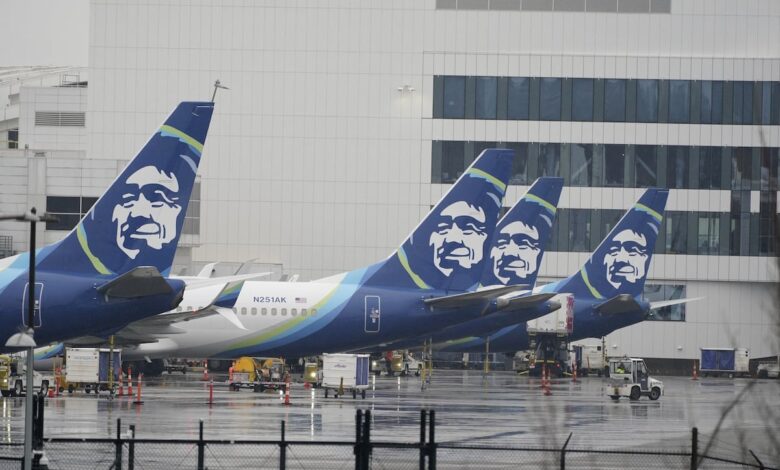
The shutdown caused immediate and severe disruption, with flight-tracking data from FlightAware reporting that roughly 2,630 flights were canceled and more than 26,100 were delayed. AirNav Radar indicated that over 3,000 flights were still arriving at U.S. airports as the ground stop took effect, with thousands of passengers left stranded at major hubs including New York’s LaGuardia and Newark Liberty International airports. The disruption also extended to Canada, where airports such as Toronto Pearson and Montreal Trudeau suspended flights to and from the United States, though Nav Canada stated its own systems were operating normally.
Transportation Secretary Sean Duffy attributed the failure to a “communications issue” affecting radar systems and radio frequencies. In a subsequent statement, Duffy indicated that old equipment was overloaded, causing “instability,” and suggested a “legacy network problem” was the root cause. He urged Congress to provide emergency funding of at least $30 billion to upgrade the air traffic control infrastructure, noting that the agency had previously been allocated $12.5 billion for such upgrades. Officials emphasized that the FAA’s technology is decades old, with the agency still using floppy disks for critical data at more than 400 facilities, a practice it plans to phase out by the end of 2028.
Homeland Security Secretary Markwayne Mullin addressed reporters outside the White House, stating there was “no indication” the outage was a malicious cyberattack or the result of rogue artificial intelligence. However, Mullin clarified that investigators had not ruled out any possibilities and were examining all causes, including a new AI-powered air traffic control system. “There’s nothing certain right now,” Mullin said, adding that President Donald Trump had been briefed on the situation. An airline source told CNN that officials were still on crisis calls and had not identified a clear answer regarding the specific cause of the failure.
The FAA announced that airspace reopened at 8:15 p.m. Eastern Time. Despite the resumption of operations, officials warned that flight departures would remain slow as traffic resumed. Duffy stated that “far better movement” was expected the following day, urging passengers to check directly with their airlines for updated schedules. The incident underscores ongoing concerns regarding the reliability and capacity of the U.S. air traffic control system amid ongoing equipment failures and staffing shortages.