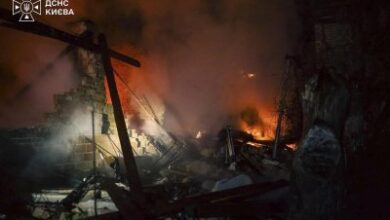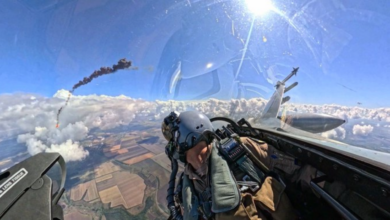
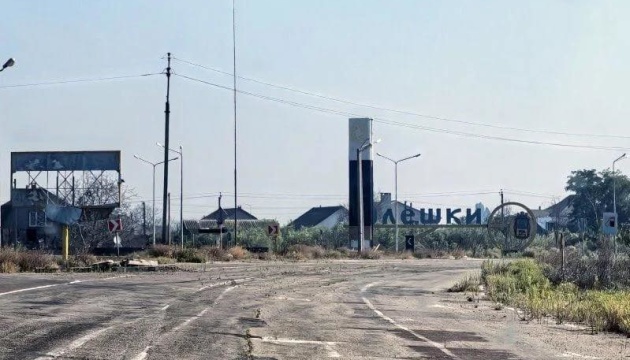
Tetiana Hasanenko, head of the Oleshky Military Administration, confirmed that Russian troops were actively confiscating the food. She noted that while this was not the first time Ukrainian forces had conducted such drops, the recent operation was the largest to date. The distribution was uneven; some residents received multiple packages, others one, and a significant number received nothing. Following the drop, Russian forces began detaining individuals merely for possessing food products that were not manufactured in Russia. The justification provided by the occupiers was legalistic yet severe: under their administration, the area is considered Russian territory, and local residents are deemed Russian citizens. Consequently, accepting aid from the Ukrainian Armed Forces is framed not as a humanitarian necessity, but as “cooperation with the enemy,” a violation of Russian law.
“The occupiers claimed that if the Ukrainian Armed Forces were dropping food for local residents, it meant that those residents were cooperating with the Ukrainian military,” Hasanenko stated.
This legal framework has created a precarious environment where basic survival needs can lead to detention. Beyond the seizure of goods, the situation in Oleshky has been marked by enforced disappearances. Hasanenko reported that people continue to vanish after being taken by Russian forces. In one documented case, an entire family was abducted and taken to a basement location, with no further information released about their whereabouts or condition. It remains unknown whether these individuals are still alive, illustrating the severe risks faced by civilians who attempt to maintain contact with or receive aid from Ukrainian state structures.
The humanitarian dimension of this conflict in Oleshky has deteriorated sharply in recent weeks. According to data from the UN Human Rights Monitoring Mission in Ukraine, no food supplies have reached the city since May 26. As of June 24, the occupation authorities had not organized any official evacuation for the remaining population. This lack of structured withdrawal has left residents in a state of limbo; those wishing to leave are doing so independently, navigating active conflict zones and risking their lives without the protection or logistical support typically associated with organized evacuations. The combination of seized aid, the threat of detention for possessing foreign goods, and the absence of safe evacuation channels has deepened the fear of famine within the occupied territory.
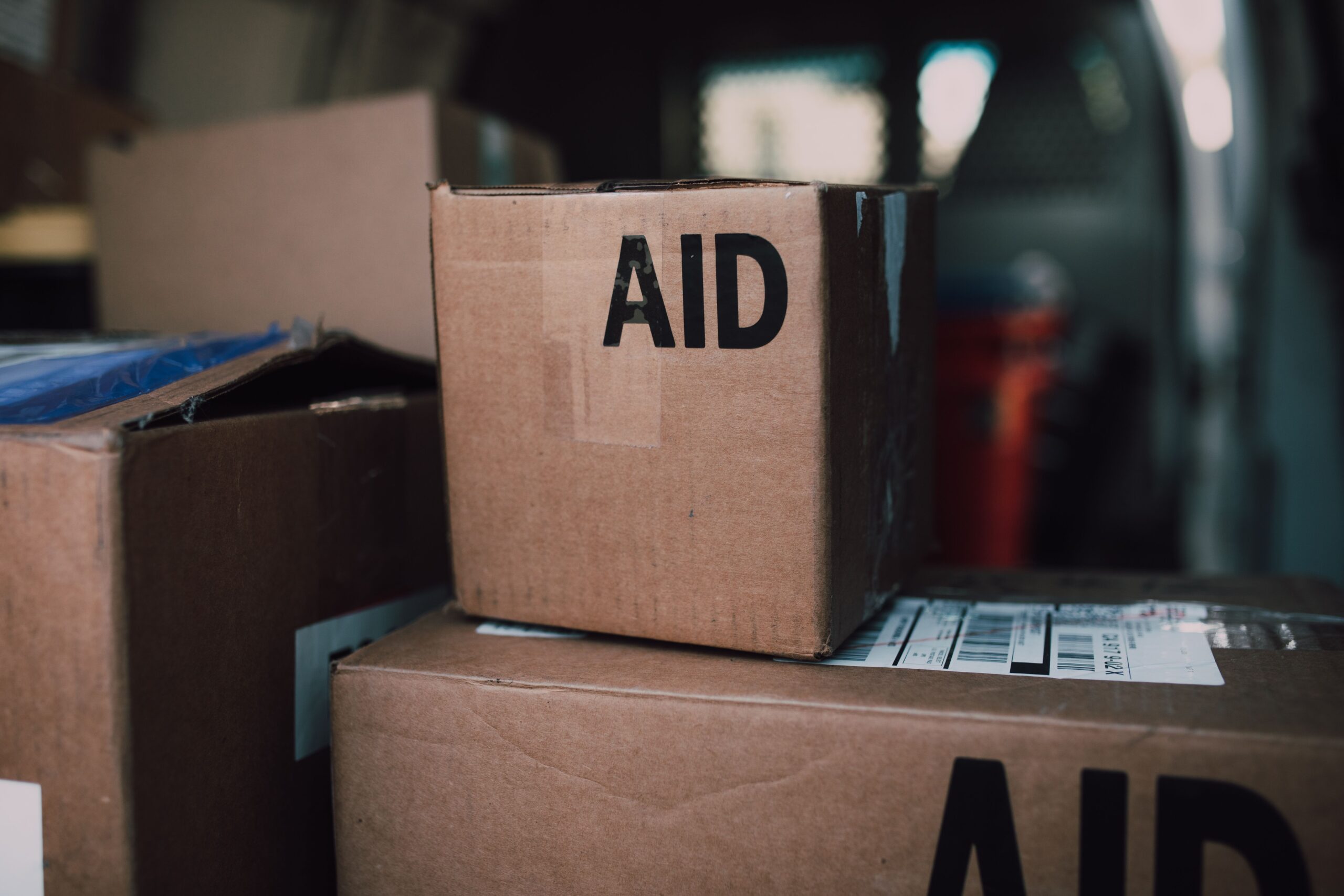
For Ukrainian forces, the airdrops represent a critical, albeit limited, military and humanitarian objective. By using drones to deliver supplies, Ukrainian commanders aim to sustain the civilian population and maintain a presence in the area without deploying ground troops into a heavily fortified occupation zone. However, the Russian response has effectively turned these humanitarian gestures into evidence of criminal activity for the recipients. The logistical constraints of drone delivery mean that only a fraction of the population can be reached, and the Russian interception of these supplies neutralizes the immediate relief intended by the operation.
The strategic implication of these actions is a tightening of the grip on the civilian population. By criminalizing the receipt of aid, the occupying forces aim to sever the last informational and material links between the residents and the Ukrainian state. The uncertainty surrounding the fate of detained residents and the families who have disappeared underscores the lack of accountability within the occupied administration. As the summer progresses, the inability to secure consistent food supplies or organize safe passage out of Oleshky leaves the local population increasingly vulnerable to both the effects of occupation and the ongoing military conflict.
The next phase of this crisis will likely depend on whether Ukrainian forces can continue to penetrate the occupation zone to deliver further supplies, and whether international pressure can force the opening of humanitarian corridors. Until then, the residents of Oleshky remain trapped in a cycle where seeking sustenance carries the risk of disappearance, and the silence from the basements where families have been taken remains a stark testament to the human cost of the occupation.