

The guilty plea establishes the defendant’s admission of guilt regarding the core allegations of the case. By pleading guilty, the former intelligence officer avoids a trial on the charges brought against him, thereby accepting responsibility for the fraud that resulted in the substantial depletion of government assets. This procedural step shifts the focus of the legal proceedings from determining guilt to determining the appropriate sentence and the extent of restitution required.
The central issue in the case involves the handling of gold bars and the associated financial transactions. The defendant’s admission confirms that payments totaling approximately $200 million were made as part of the fraudulent scheme. This amount represents a critical metric in the case, as it quantifies the direct financial impact on the U.S. government. The disparity between this final admitted figure and the previously disclosed amounts highlights the complexity of the financial trail uncovered during the investigation.
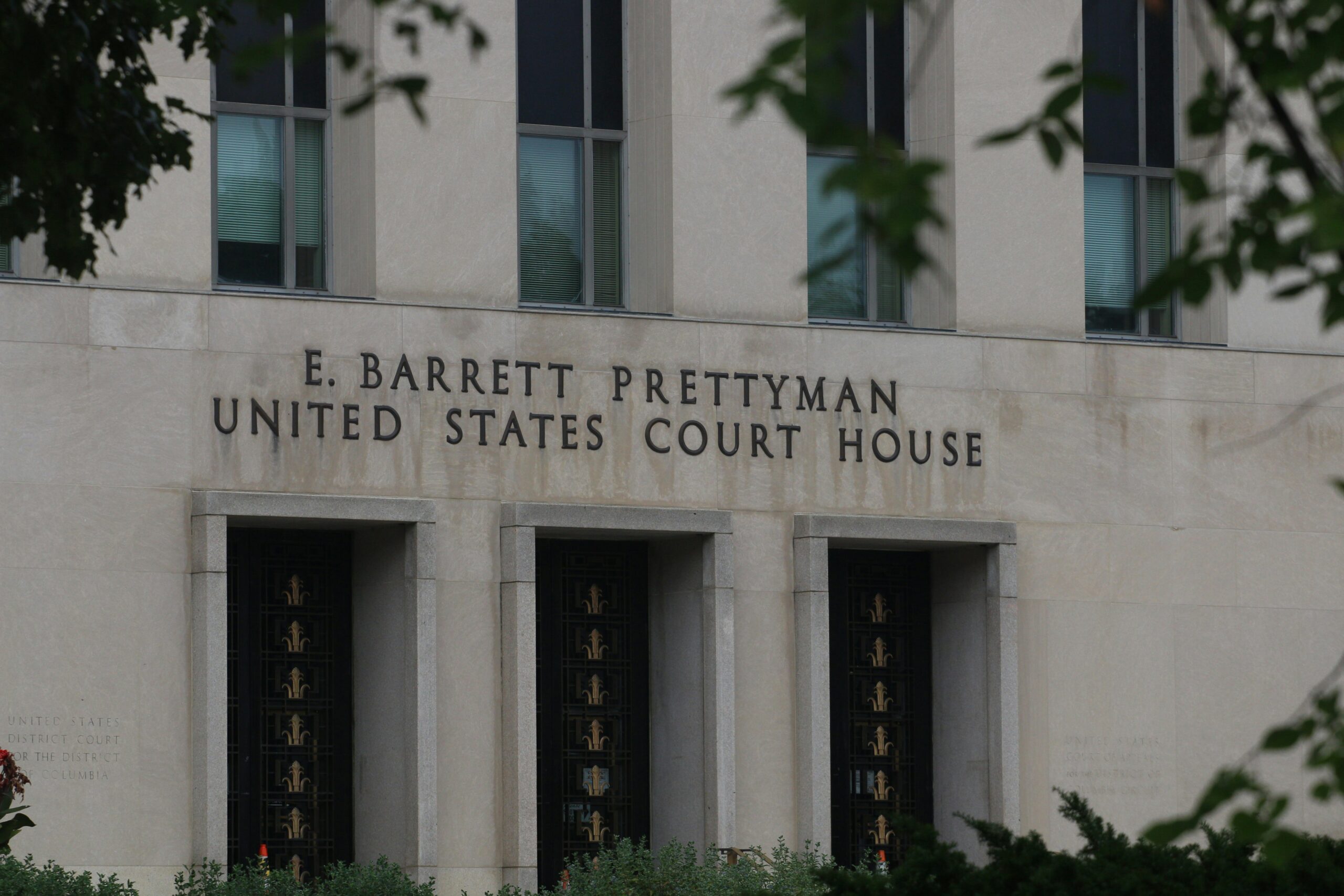
Legal proceedings of this nature typically involve a rigorous examination of financial records to trace the flow of funds and physical assets. In this instance, the investigation identified a pattern of transactions that constituted fraud. The plea agreement likely includes stipulations regarding the return of ill-gotten gains or the payment of restitution, although specific details of the restitution plan are part of the sentencing phase. The government’s primary objective in such cases is to recover the defrauded funds to the extent possible and to impose a penalty that reflects the severity of the breach of trust by a former federal employee.
The case underscores the vulnerabilities in the oversight mechanisms surrounding high-value assets such as gold bars held by the government. The involvement of a former CIA officer adds a layer of institutional significance, as the role entails a high degree of security clearance and fiduciary responsibility. The guilty plea serves as a formal admission that these standards were violated, resulting in one of the more significant financial losses attributed to individual fraud in recent years involving federal assets.
As the case moves toward sentencing, the court will consider the totality of the circumstances, including the duration of the scheme, the role of the defendant, and the efforts made to recover the funds. The nearly $200 million figure will serve as the baseline for calculating any fines or restitution orders. The legal team for the government will likely seek a sentence that serves as a deterrent to similar conduct within federal agencies, while the defense will argue for mitigating factors in the sentencing phase.

The resolution of this plea bargain concludes the contested phase of the litigation, but the administrative and financial recovery processes may continue for an extended period. The case will be closed only after the sentencing hearing and the completion of any mandated restitution payments. The precedent set by the admission of such a large-scale fraud may influence future oversight protocols regarding the custody and transfer of precious metals within federal jurisdictions.
Stakeholders in the case, including the U.S. Department of Justice and the former officer’s legal representatives, have concluded the pre-trial negotiations. The next scheduled step in the judicial process is the sentencing hearing, where the judge will determine the length of any prison term and the specific terms of the restitution order. The outcome of this hearing will finalize the legal consequences for the defendant and provide a conclusion to the multi-year investigation into the gold bar fraud.