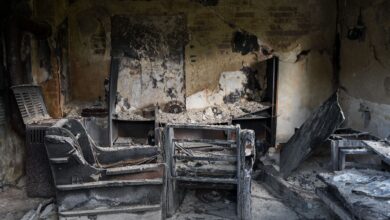
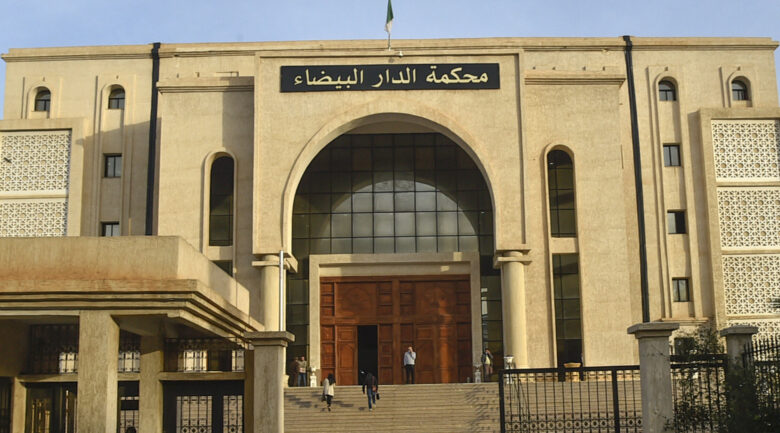
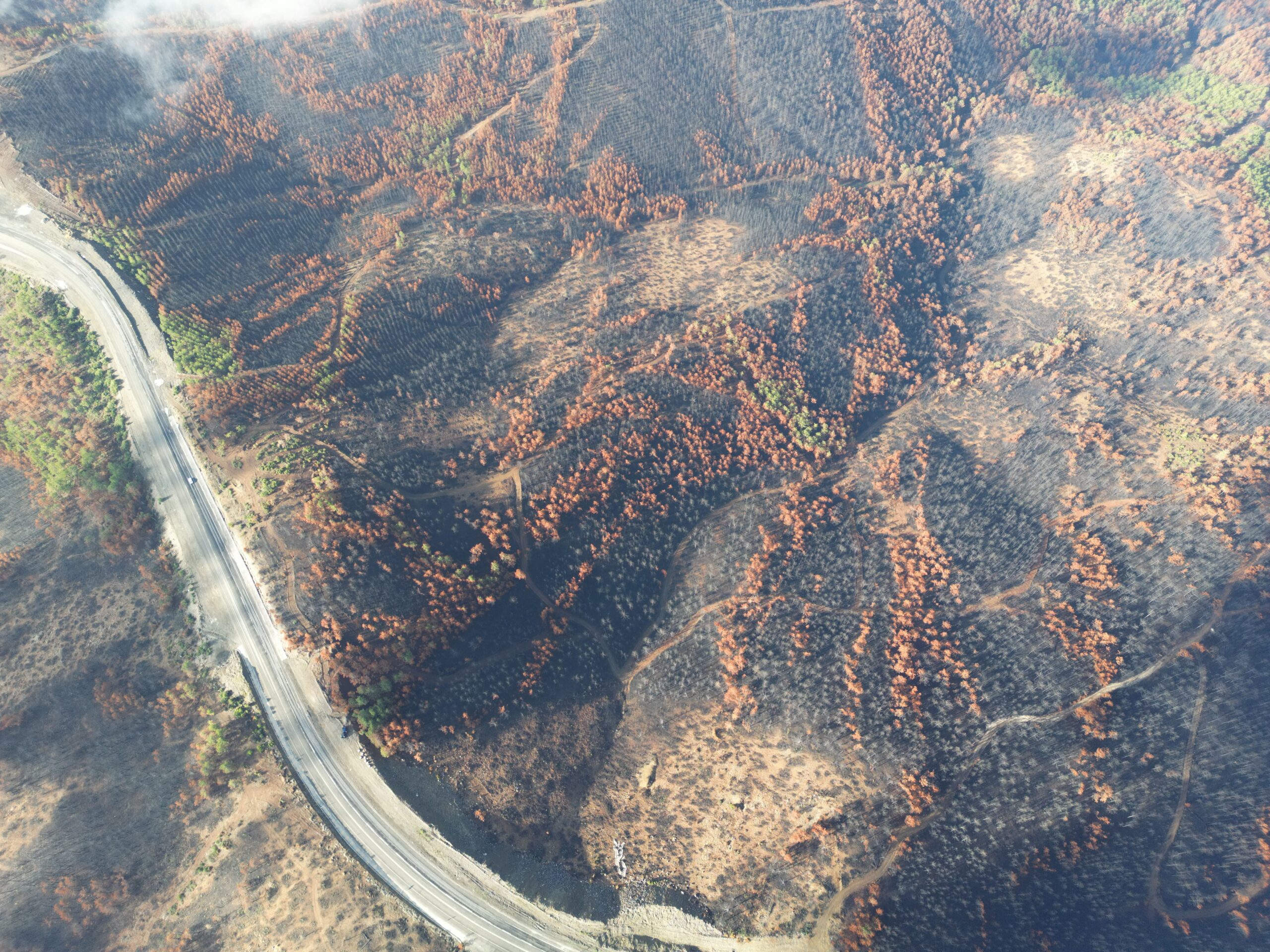
The measure was introduced at the initiative of President Abdelmadjid Tebboune, who ordered the Justice Ministry to amend the criminal law in August following a series of deadly wildfires that swept through the country’s northeast. The official death toll from the blazes, which occurred between July 26 and August 30, stands at 12, although independent investigators and local families have reported figures exceeding 200. The new law replaces previous maximum sentences for these offenses, which ranged from 20 years to life imprisonment.
Justice Minister Lotfi Boudjemaa defended the adoption of the death penalty as an “appropriate legal response” to curb these crimes. In statements to parliament, Boudjemaa characterized the arson incidents as having reached the “level of organised crime,” citing investigations that suggest links to “foreign parties.” He framed the expanded statutory penalties as a necessary step to strengthen state deterrence against escalating criminal acts.
Despite the legislative expansion, Algeria has maintained a de facto moratorium on capital punishment for over three decades. No executions have been carried out in the country since 1993, although courts have continued to hand down death sentences for terrorism and intentional homicide. The President’s original directive in August specified that anyone sentenced to death would face execution as soon as they exhausted their right of appeal. The law now requires review by the upper house, the Council of the Nation, before it is officially ratified by the president.
The legislation has drawn sharp criticism from domestic and international human rights organizations. Amnesty International and other groups have accused the government of using the penal code amendments to target political opposition groups. They described the move as a “deeply retrograde response” that contradicts Algeria’s consistent support for United Nations General Assembly resolutions calling for a global moratorium on executions. Critics argue that the death penalty has never deterred arsonists and that the government should instead focus on prevention and emergency response infrastructure.
Procedural background indicates that the government has linked the recent fires to both climate change and criminal elements. While authorities previously described wildfires as a structural challenge exacerbated by rising temperatures, President Tebboune pointed to the responsibility of criminal elements “attempting to weaken Algeria and undermine its unity.” Between July 26 and September 10, authorities announced the detention of 20 individuals pending investigations for arson and “subversion,” a terrorism-related charge that carries a mandatory death penalty. Some of those detained were alleged to be supporters of the Movement for the Self-determination of Kabylie (MAK), a political opposition group designated as “terrorist” by the Algerian authorities.
Secular opposition groups, including the Rally for Culture and Democracy (RCD), voted against the legislation, reiterating their long-standing stance against capital punishment. The law now moves to the Council of the Nation for final review. Human rights advocates have urged the authorities to establish an official moratorium and conduct effective investigations into the root causes of the wildfires without resorting to capital punishment, warning that the expansion of the death penalty undermines respect for the right to life.