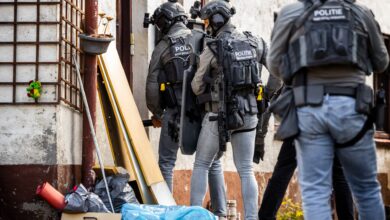
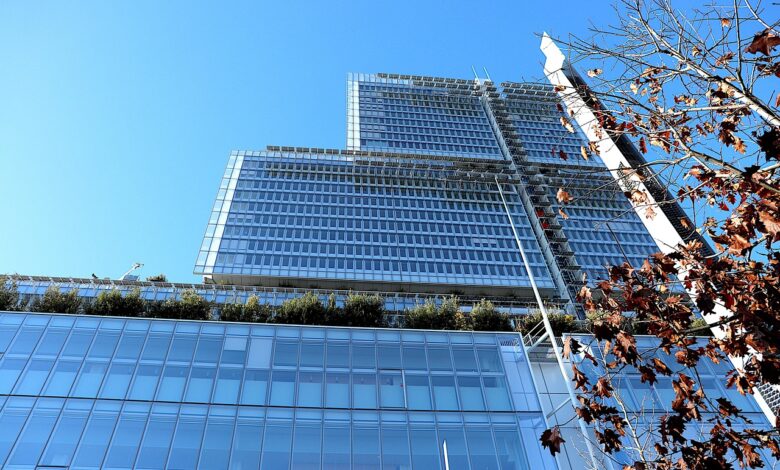
The legal proceedings stemmed from a complex investigation that spanned four years and extended across multiple jurisdictions, including Switzerland, Panama, Liechtenstein, the Seychelles, Morocco, Egypt, and the Dominican Republic. Detectives traced a network of offshore and front companies through which the couple allegedly hid at least €13 million in assets from French tax authorities between 2007 and 2014. This sum included luxury properties, such as villas in Marrakesh and the West Indies. The core legal question in the appeal was whether the lower court’s characterization of their financial maneuvers constituted “aggravated money laundering” and whether the severity of the penalty was proportional. The appellate court agreed, ruling that the couple had implemented a system of “persistent fraud” that aggravated the erosion of trust in Republican values.
The Balkanys, who have governed Levallois-Perret for nearly 40 years, have a history of legal controversies. Patrick Balkany, a close friend of former President Nicolas Sarkozy, was first elected mayor in 1983. Whenever he has been barred from public office due to legal issues, his wife, the deputy mayor, has assumed leadership of the town. Their legal troubles are not new; in 1996, they received suspended prison sentences for using town hall staff for personal housework, including employing a municipal worker as a private chauffeur. More recently, in 2019, they were convicted of tax fraud for hiding assets and avoiding approximately €4 million in taxes. That initial conviction was upheld on appeal in March 2020, leading to the subsequent sentencing in the money laundering case.
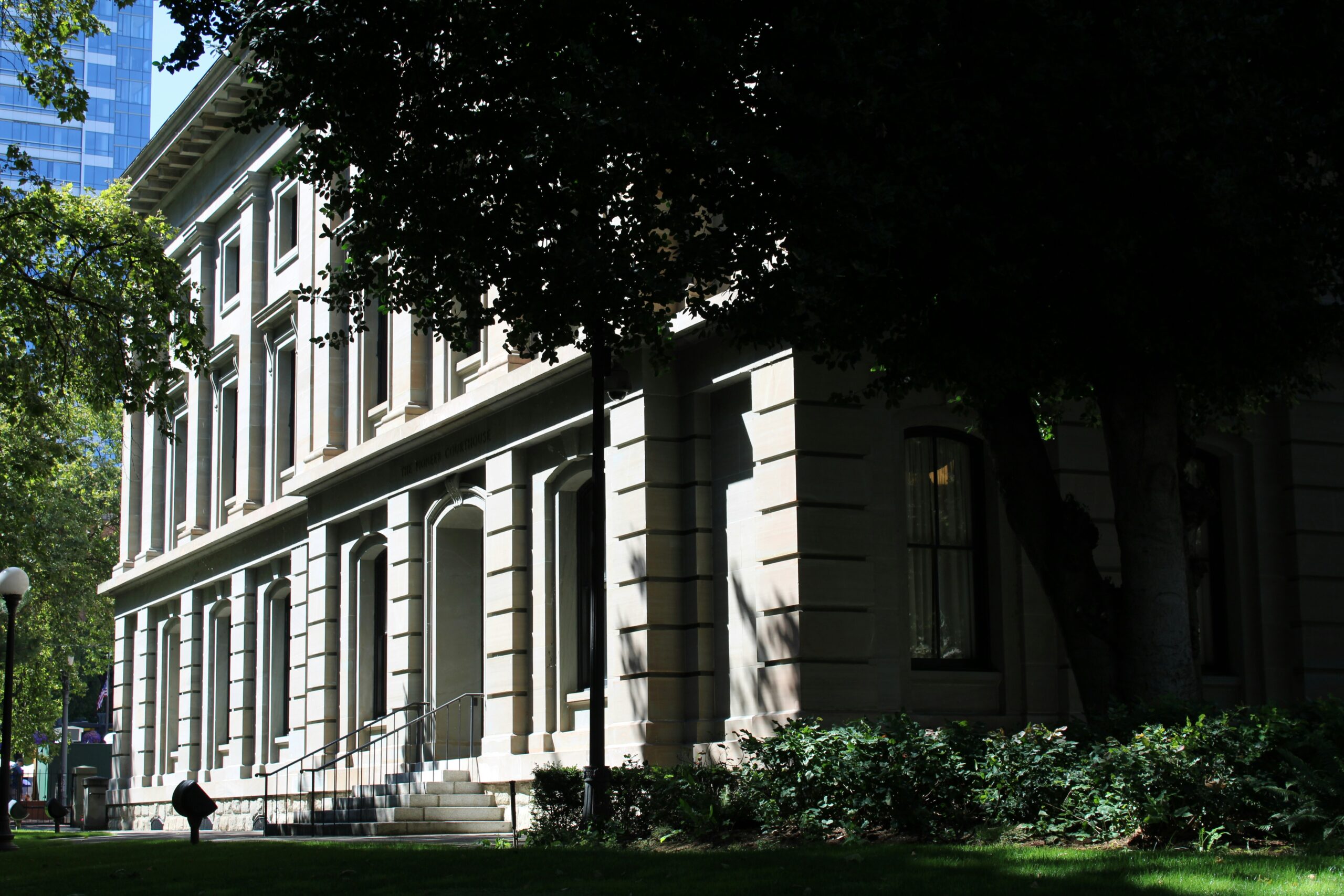
During the earlier proceedings, the defense argued that the couple’s wealth was largely inherited. Isabelle Balkany’s father had made his fortune in the rubber industry in Tunisia, while Patrick Balkany’s father, a survivor of Auschwitz who fled Hungary, founded a luxury clothing chain in postwar Paris. In a 2015 interview, Isabelle Balkany defended their lifestyle, stating, “It’s not my fault if I was raised in a 3,000 sq metre townhouse in the 16th [arrondissement] and went to school in a Rolls.” However, the courts rejected these explanations, finding that the use of offshore structures was a deliberate method to obscure the true nature and scale of their wealth from tax authorities.
In a separate but related trial concerning corruption and money laundering, the couple was found guilty in October 2019. Notably, Patrick Balkany was cleared of the specific charge of corruption regarding a villa in Marrakesh, as the court ruled investigators failed to prove he received the property from a Saudi millionaire in exchange for a property deal. Despite this acquittal on one count, the guilty verdict on money laundering stood. The couple appealed this verdict hoping for a more lenient sentence, but the Paris Court of Appeal increased the penalties from the initial four-year sentence for Patrick and three-year sentence for Isabelle to the current five and four years, respectively.
The sentence carries significant immediate and long-term consequences. The court confirmed the seizure of assets and ordered the payment of €1 million in damages. The ten-year ban from public office effectively ends their political careers, a penalty that legal observers have noted is rare for French politicians of their stature. Patrick Balkany, 71, had previously spent five months in prison before being released in February 2020 due to ill health. His wife, 72, was spared immediate jail time in the earlier phase due to her fragile health following a suicide attempt the previous year. However, the appellate ruling confirms the integrity of the convictions, leaving little room for reversal unless further appeals succeed at the highest level.

Following the verdict, Patrick Balkany, who appeared in court without his wife, made no comment. His lawyer, Romain Dieudonne, stated that he had five days to decide on a further appeal. Isabelle Balkany’s lawyer, Pierre-Olivier Sur, characterized the ruling as “excessive,” though the court’s findings regarding the “persistent fraud” suggest the judges viewed the systematic nature of the concealment as a critical factor in the sentencing. The case has been widely heralded as evidence that the French legal system is increasingly willing to hold powerful figures accountable, regardless of their political connections or local popularity. Despite the scandals, the couple had previously retained the support of Levallois-Perret residents, who continued to vote for them through multiple legal crises.
As the legal process moves toward its final stages, the focus shifts to the potential appeal to France’s highest court. Until then, the convictions for money laundering and tax fraud stand as a definitive legal finding against the couple who dominated local politics in Levallois-Perret for nearly four decades. The next confirmed legal step will be the determination of whether the defense will pursue a final appeal, a process that could extend the legal uncertainty surrounding the seizure of their assets and the enforcement of their prison terms.