The Core Legal Dispute
The defense argues that the integrity of the grand jury process was compromised by statements made by Agent Owen during the presentation of evidence. Specifically, defense lawyers contend that Owen told grand jurors that blood spatter was found on a T-shirt Murdaugh was wearing on the night of the 2021 killings. The defense points to earlier state agent reports indicating that no such blood stains were found, and notes that no evidence of blood on a T-shirt was introduced during the initial 2023 trial. Furthermore, the defense asserts that Owen informed the grand jury that the specific ammunition load used to kill Paul Murdaugh—a mix of buckshot and large birdshot—was found loaded in weapons across the property, a claim the defense states is factually incorrect.
Prosecutors, however, maintain that these discrepancies do not warrant dismissal. In a written response, the state argued that the prosecution possesses ample other evidence to support the murder charges and characterized the alleged errors as isolated instances rather than systemic misconduct, stating that “a single mistake is not bad faith.” The state also highlighted additional evidence presented to the grand jury, including a video recorded by Paul Murdaugh in which Alex Murdaugh’s voice is audible at the scene.
Procedural Context and Retrial Implications
This motion to dismiss arrives at a critical juncture in the case. Murdaugh’s original convictions and life sentences for the double homicide were vacated by the South Carolina Supreme Court. The high court ruled that the state failed to overcome the presumption that comments made by the Colleton County Clerk of Court, Becky Hill, improperly influenced the jury. The court found that Hill urged jurors to watch Murdaugh’s body language and not be confused by the defense, conduct the justices deemed incompatible with a fair trial.

As a result, a retrial is scheduled for April 5, 2027, in Sumter County. Legal experts and the defense alike acknowledge that even if Judge McCaslin grants the request to dismiss the current indictments, it may not halt the April 2027 trial. Prosecutors retain the authority to seek a new set of grand jury indictments as early as next month. Defense attorneys have indicated they would not oppose a fresh indictment, suggesting that the dismissal motion is as much a strategic and reputational maneuver against the investigation’s leadership as it is a procedural barrier.
Investigative Scrutiny and Institutional Impact
A ruling in Murdaugh’s favor would serve as a significant legal rebuke to Agent Owen. Owen’s credibility has been previously challenged in the courts; last year, a judge dismissed a different murder case in which Owen was the lead investigator after it was determined he failed to relay a suicide threat made by the victim to both prosecutors and defense counsel. Following those events, Owen abruptly retired from SLED in 2024, shortly after receiving the State Law Enforcement Officer of the Year award.
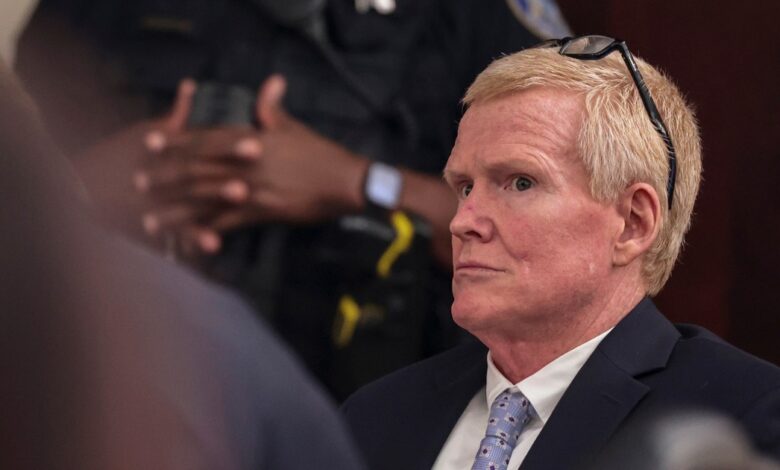
While the dismissal of the indictments is considered a “longshot” by many observers, the motion underscores the defense’s broader strategy to portray the initial investigation as flawed or biased. Murdaugh, 58, is currently incarcerated for unrelated federal and state charges involving the theft of millions of dollars from clients. He has admitted in court to being a thief, an insurance fraudster, and a longtime opioid addict, but he maintains his innocence regarding the murders.

Preparations for Retrial
As the April 2027 date approaches, logistical preparations are underway in Sumter County. Jamie Campbell, the Sumter County Clerk of Court, stated that his office is preparing for the high-profile nature of the trial. Campbell emphasized that his team is experienced and prepared to handle security and crowd management, though he did not detail specific protocols for preventing juror influence, a safeguard that was central to the Supreme Court’s decision to overturn the previous verdict.
The next formal step in this legal saga is the pretrial hearing in Lexington County, where Judge McCaslin is expected to address the defense’s request to dismiss the indictments. The outcome of this hearing will determine whether the state must re-present its case to a new grand jury or proceed directly to the scheduled retrial in Sumter County, continuing a legal battle that has drawn national attention to the boundaries of investigative discretion and jury integrity in high-profile criminal cases.