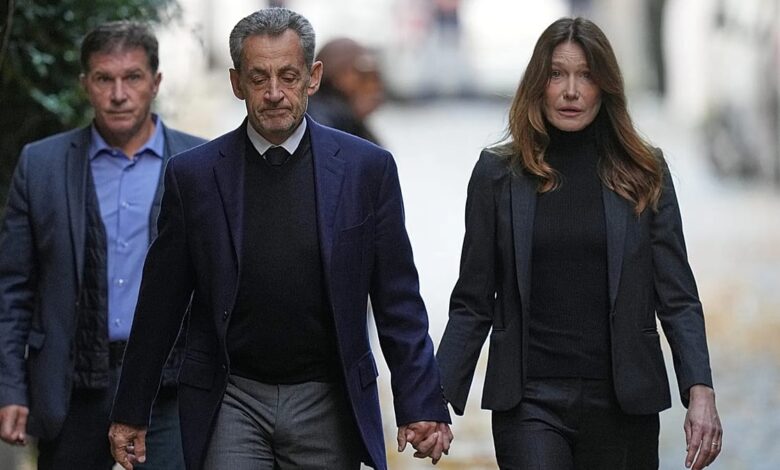
The principal legal question in this new proceeding is whether Sarkozy and Bruni engaged in “criminal conspiracy to commit fraud as part of an organised gang” and “concealment of witness tampering.” The allegations posit that the former president and his partner called upon Mimi Marchand, a photographer often referred to in media as the “high priestess of the paparazzi,” to facilitate a payment to Takieddine to alter his testimony. Both Sarkozy and Bruni have consistently denied these charges. Marchand, who is also being sent for trial, faces charges of “witness tampering,” “criminal conspiracy to commit fraud as part of an organised gang,” and acting “with a view to preparing acts of corruption of foreign judicial personnel.”
The case is deeply intertwined with the broader narrative of Sarkozy’s legal troubles, which have seen him become the first former French president to be jailed. In a related matter, Sarkozy was recently given a five-year prison sentence following a guilty plea for criminal conspiracy. He was released from prison after twenty days, pending his appeal. This new trial adds another layer to a complex web of proceedings, including two definitive convictions Sarkozy has already received: one for overspending during his unsuccessful 2012 election campaign and another for attempting to obtain favors from a judge.
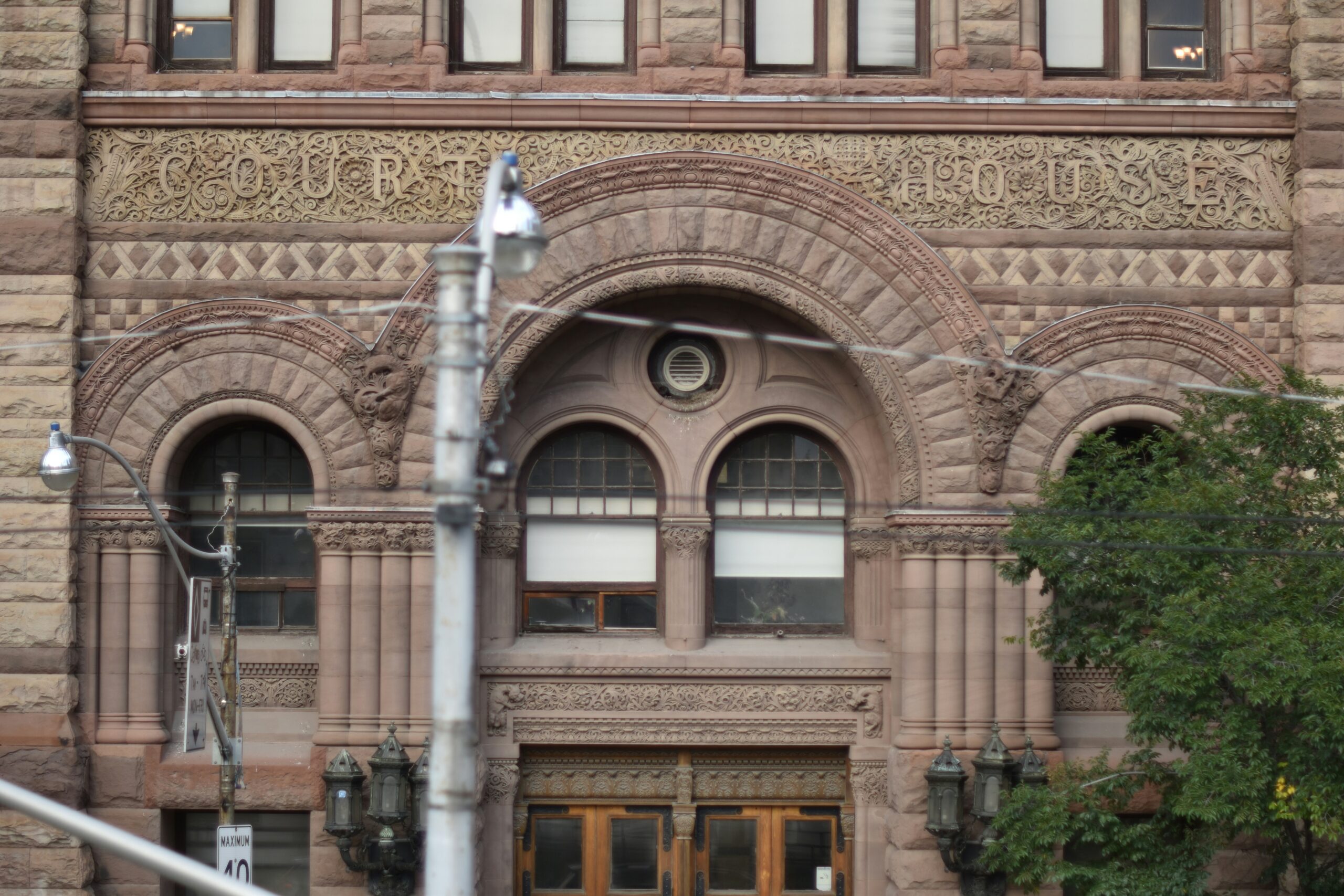
The evidentiary basis for the current charges rests largely on the shifting testimony of Ziad Takieddine, who died in Lebanon last year. In 2016, Takieddine stated that he had helped deliver up to five million euros in cash from Libyan dictator Muammar Gaddafi to Sarkozy and the former president’s chief of staff in 2006 and 2007. However, in November 2020, Takieddine backtracked on these incriminating statements in an interview with French media, before changing his mind once again. The prosecution argues that this sudden retraction was not spontaneous but the result of a clandestine arrangement orchestrated by Sarkozy and Bruni.
Carla Bruni is suspected of playing a specific role in these alleged communications. She is accused of requesting a clandestine phone line at the end of 2019 to communicate with Mimi Marchand regarding the Takieddine case. Marchand’s involvement extends beyond this case; last year, she was given an 18-month suspended prison sentence for blackmailing a television presenter who feared she would publish images of her daughter leaving a police station. The inclusion of Marchand in the 2027 trial highlights the alleged network of intermediaries in the witness tampering scheme.

The legal stakes for the defendants are significant. If convicted, Sarkozy, Bruni, and Marchand face a maximum sentence of ten years in prison and a fine of 150,000 euros. The trial is set for late 2027, a timeline that allows for further procedural developments in the related appeal regarding the 2007 campaign financing. The convergence of these two major legal tracks—one involving the initial funding allegations and the other involving the alleged manipulation of witness testimony—underscores the continuing judicial scrutiny on Sarkozy’s political legacy.
While the current case focuses on the integrity of witness testimony and the potential corruption of judicial processes, it remains distinct from the definitive convictions Sarkozy has already served. The presumption of innocence applies to all defendants named in this 2027 trial. The upcoming hearing will require the court to establish whether the alleged payments and communications constitute a criminal conspiracy to influence the legal process. For now, the focus shifts to the immediate procedural step: the appeal court’s decision in the Libyan financing case, which looms just days away, potentially shaping the broader legal landscape in which the 2027 trial will eventually be held.