

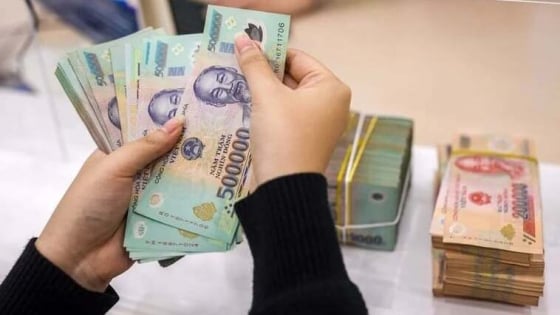
This improvement in liquidity does not, however, immediately translate into lower borrowing costs. The pressure on interest rates is fundamentally driven by the economy’s insatiable demand for capital. Vietnam’s GDP grew 8.18% in the first half of 2026, with the industrial and construction sector expanding by 9.81% in the same period. As the government pursues aggressive high-growth targets for the second half of the year, the need for capital will inevitably increase. Banks are currently balancing three competing objectives: raising sufficient funds, disbursing loans quickly, and controlling funding costs. With credit growth at 8.38% and a full-year target of around 15%, there remains substantial room for expansion, which keeps pressure on rates despite the liquidity turnaround.
The high cost of capital is directly impacting businesses, particularly small and medium-sized enterprises (SMEs). In August, average lending interest rates for new and existing loans increased to between 8.4% and 10.7% per year, a figure roughly three percentage points higher than loans disbursed a year ago. For some private firms, the burden is even heavier. Lu Nguyen Xuan Vu, Chairman of Xuan Nguyen Group JSC, reported that his company is facing interest rates as high as 14% per year on bank loans, which account for about 20% of the company’s total capital. Vu warned that when combined with rising fuel, logistics, and operating costs, these rates are eroding almost all profits. “We are currently struggling to survive,” Vu said, anticipating that profits could fall to zero by the end of the next year.
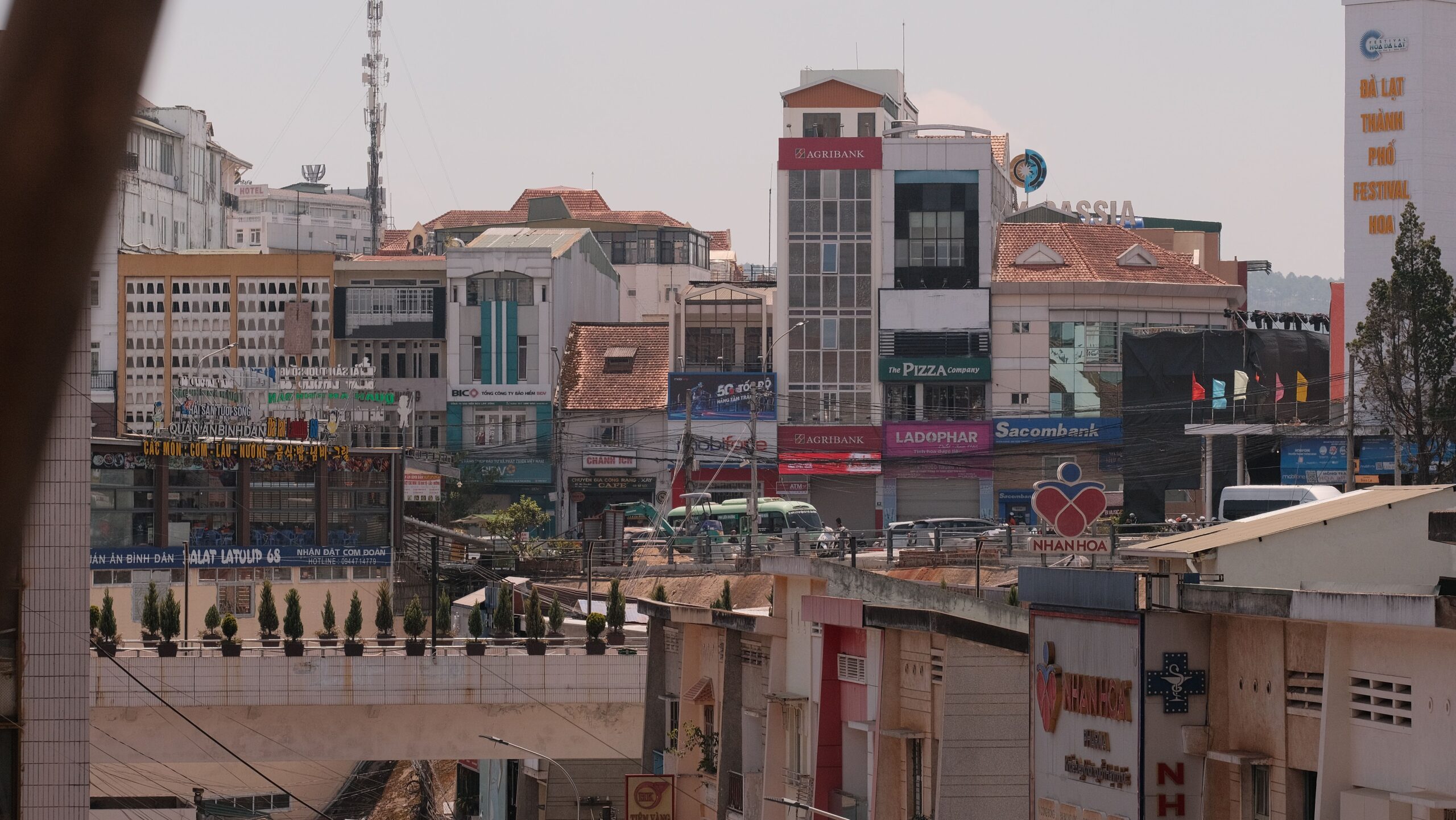
To mitigate this, the State Bank of Vietnam (SBV) has directed commercial lenders to launch preferential credit programmes for SMEs and growth-driving sectors. Agribank, one of the country’s largest state-owned lenders, has launched a VND50 trillion (US$1.9 billion) programme offering rates at least 1% below its average. Four banks have registered such programmes with a combined scale of approximately VND210 trillion. Yet, access to these preferential rates remains uneven. Vu noted that despite directives from the Prime Minister, his company has not yet been able to access these support packages, highlighting a gap between policy intent and market reality.
For the banking sector itself, the squeeze on profitability is evident. Financial statements from 27 listed banks showed that the average net interest margin (NIM) fell to 2.87% in the first quarter of 2026, down from 2.93% in the previous quarter. While credit growth hit a record 19.1% in 2025, deposit growth lagged at roughly 14-15%, forcing banks to offer long-term deposit rates exceeding 9% to attract funds. Because lending rate adjustments typically lag behind deposit rate hikes, NIMs have remained under pressure. Nguyen Quang Huy, CEO of the Faculty of Finance and Banking at Nguyen Trai University, described this as a “double challenge” that significantly narrows the sector’s profit growth potential.

This financial strain is reflected in the stock market. Vietnamese bank stocks have faced correction pressure after leading a broader market rally. The banking sector index recently fell by 0.91%, with individual stocks like Eximbank and HDBank dropping significantly, while others like Techcombank saw minor gains. Analysts at KIS Securities indicated that the correction reflects both broader market conditions and specific industry concerns regarding funding costs. The uncertainty surrounding global economic factors, including oil prices and geopolitical tensions, further complicates the outlook, making a strong recovery in NIMs unlikely in the short term.
As the year progresses, the focus will shift to whether the liquidity improvement persists. If deposit growth continues to outpace credit, it may provide the necessary basis for a stabilization of rates. However, until the mismatch between short-term bank funding and long-term capital needs for national projects is resolved, businesses will continue to face a difficult environment where high capital costs threaten to outpace revenue growth.