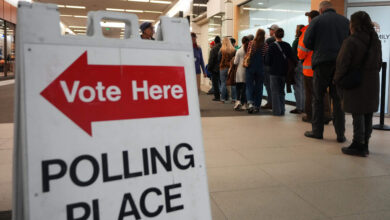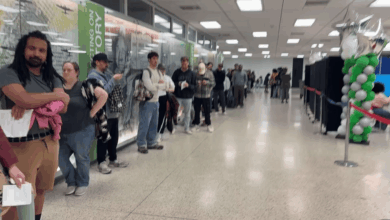

In the U.S. House of Representatives, all 435 seats are up for election. Republicans currently hold a narrow 218-212 majority over Democrats. To maintain control of the chamber, the Republican Party must defend this slim lead, as the magic number for a majority is 218 seats. Pennsylvania is expected to play a significant role in determining the final tally, featuring more highly competitive races than any other state.
Control of the Senate is also in play, with 35 of the chamber’s 100 seats on the ballot. Republicans currently control the Senate by a 53-45 margin over Democrats. Democrats require a net gain of three seats to seize control of the chamber. This requirement makes the upcoming races in key states particularly consequential for both parties.
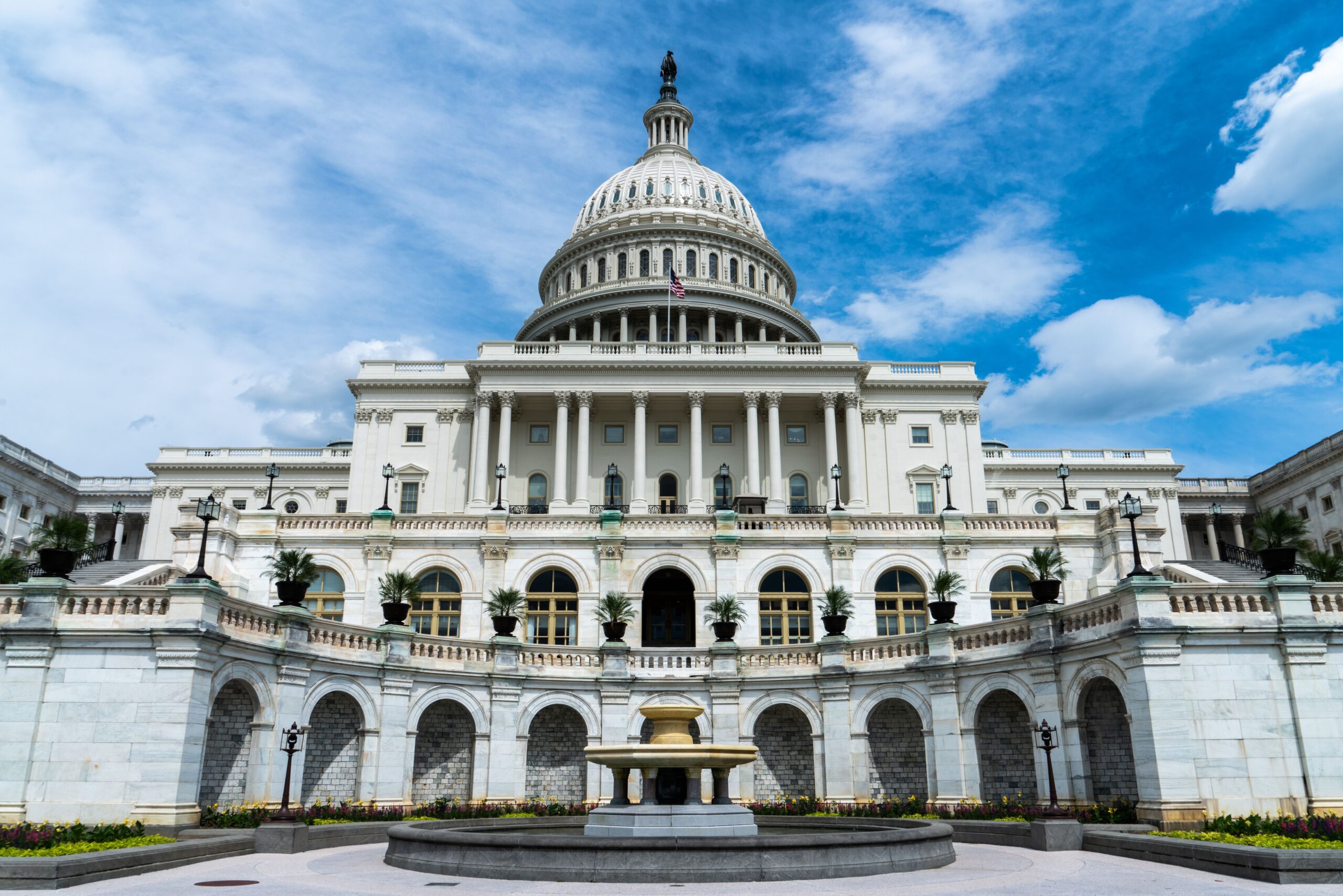
Competition is intense in several key battlegrounds. In New York, the 17th Congressional District is viewed as a pivotal race, pitting Republican Representative Mike Lawler against Democrat Cait Conley, a former national security official. The district is notable for being one that Vice President Kamala Harris narrowly won in 2024. Both parties believe demographic shifts in such districts may favor them, contributing to the high stakes of the evening’s voting.
The 2026 midterms are framed as a crossroads for both parties, signaling the beginning of a high-stakes fight over the country’s political future. While specific results are not yet finalized, election officials and media outlets are tracking vote counts in real-time. The Associated Press provides data for projections, and various news organizations, including NBC News, BBC, and WHYY, are monitoring the proceedings closely. Expected vote totals are estimates based on early voting data and information from county election officials, figures that may change as new data becomes available.
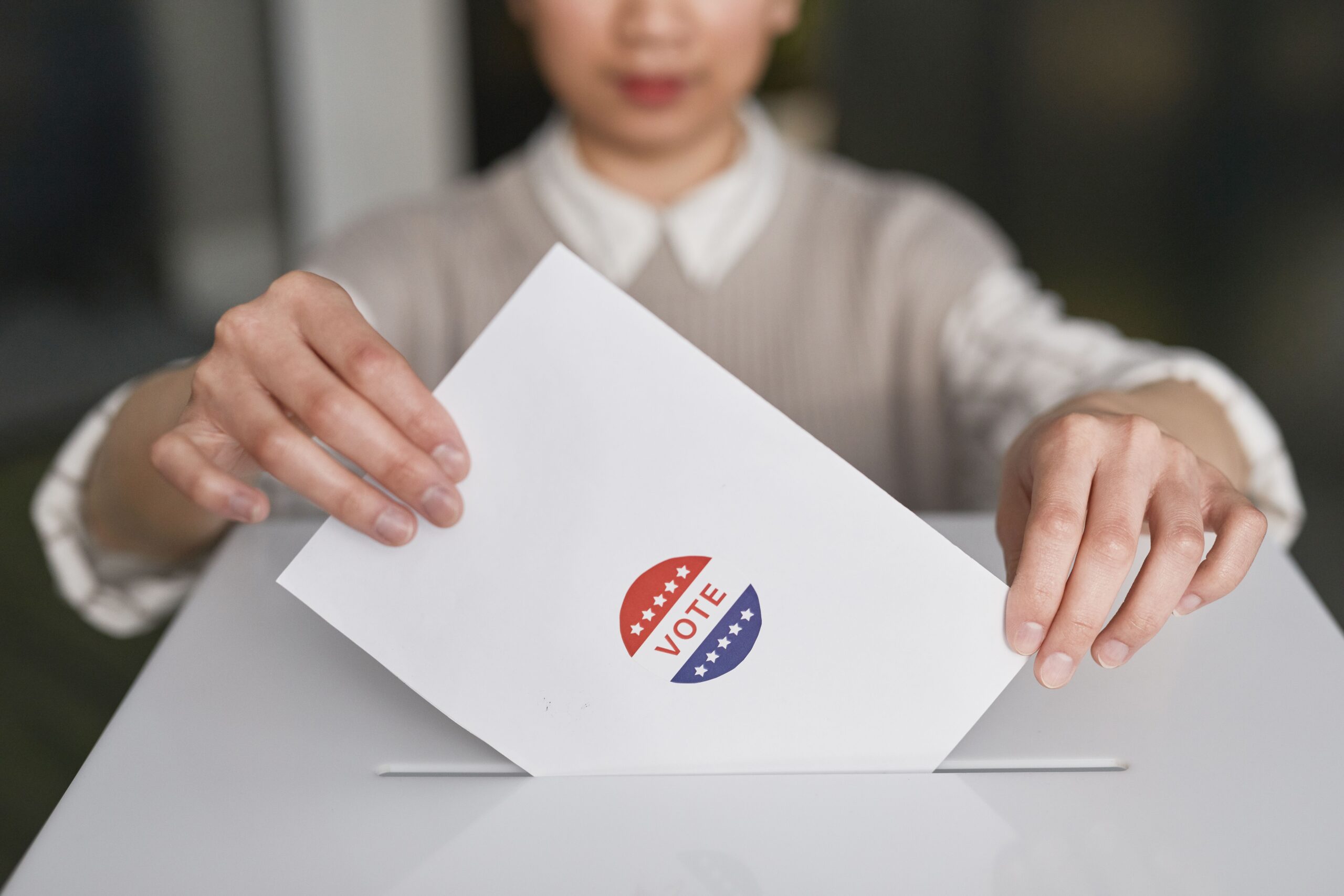
The election underscores the continuing tension between the parties as they seek to influence the trajectory of national policy. With the Republican majority in the House being particularly tenuous, the results will likely dictate the legislative agenda and the dynamics of governance in the United States for the remainder of the current administration’s term.