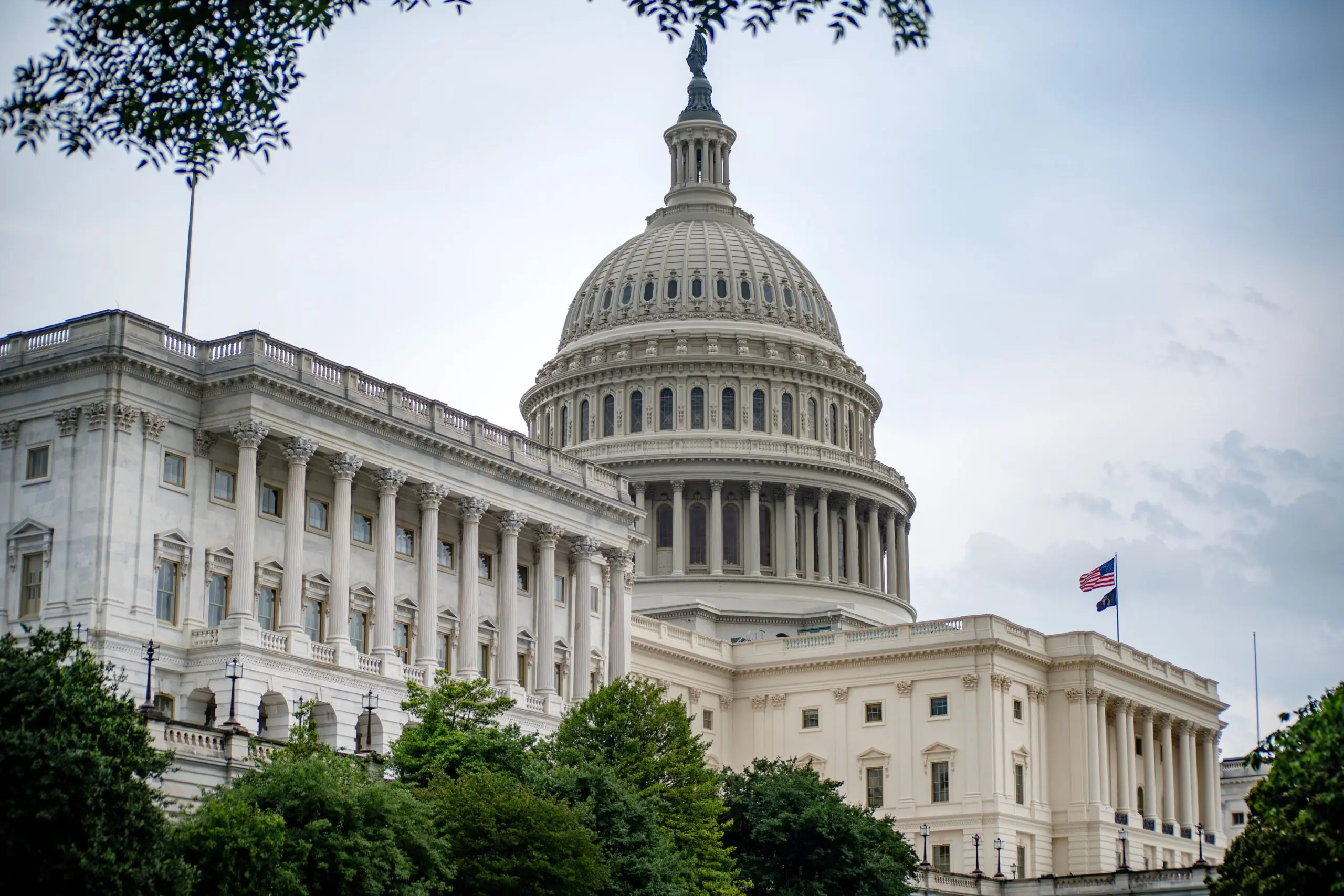
The stakes are high for both chambers of the U.S. Congress. Republicans currently control both the House of Representatives and the Senate. In the Senate, where 35 seats are up for election, Democrats need to win four additional seats to seize control. Republicans, holding 53 seats, can afford to lose up to three seats and retain their majority, relying on the tie-breaking vote of Vice President JD Vance. Democrats currently hold 45 seats, plus two independent senators who caucus with the party, giving them a total of 47.
In the House of Representatives, Democrats are favored to retake control. According to available early voting data, Democrats hold a double-digit advantage in ballots cast. To gain the majority, Democrats need to flip just three seats. Although Republicans attempted to insulate their position through rare mid-decade redistricting, analysts suggest these efforts may be insufficient to prevent a shift in the chamber. The outcome in the House will depend heavily on Election Day turnout, as the GOP votes overwhelmingly in person, whereas Democrats have secured a lead through early and mail-in voting.
The Senate race is particularly complex, with the outcome hinging on a handful of competitive contests in states that President Trump won by double digits in the 2024 presidential election. Key battlegrounds include Michigan, Texas, Alaska, Ohio, Kansas, and Maine. In Michigan, a traditionally competitive state, former Republican Representative Mike Rogers is facing off against former public health official Abdul El-Sayed. The race has been marked by intense cultural and political divisions, particularly regarding U.S. support for Israel. In a move that has roiled the Democratic base, Haley Stevens, who lost to El-Sayed in the primary, endorsed Republican Rogers days before the election, a decision criticized by Democrats but welcomed by Republicans.
In Texas, State Attorney General Ken Paxton is defending a seat that has not been won by a Democrat since 1988. His opponent, Democrat James Talarico, a former state representative, has focused his campaign on the economy and highlighted political scandals involving Paxton. In Alaska, incumbent Republican Dan Sullivan faces a surprisingly close race against former Representative Mary Peltola, who is running as an independent in the state’s ranked-choice voting system. Other critical races include Ohio, where incumbent John Husted faces former Senator Sherrod Brown in a toss-up contest, and Kansas, where incumbent Roger Marshall is facing Democrat Adam Hamilton in a race that was not expected to be competitive given the state’s strong Republican leanings.
President Trump has been actively campaigning to boost Republican turnout, particularly in red states such as Texas, Ohio, South Carolina, Florida, Iowa, Kansas, and Mississippi. In a final public appearance at the National Mall, Trump appeared to lower expectations for his party’s performance, stating he “can’t take a chance” in races like Mississippi, where incumbent Cindy Hyde-Smith faces Democratic District Attorney Scott Colom. Conversely, Democratic candidates have campaigned heavily in Republican strongholds, aiming to capitalize on voter dissatisfaction with the Iran conflict and rising prices.
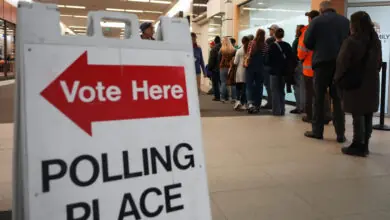
Election night procedures indicate that results will not be immediate. The first polling stations in Indiana and Kentucky closed at 6 p.m. local time, with voting concluding elsewhere between 6 p.m. and 9 p.m. Eastern Time. Historical data from the 2022 midterms suggests that finalizing results can take days; in that cycle, Senate results were not finalized until four days after the election, and House results took eight days. This delay is due to the sequential processing of election day votes followed by mail-in ballots, which can cause lead changes as the count progresses.

Political analysts note that midterms often serve as a check on the executive branch. If voters are dissatisfied with the president’s performance, the ruling party typically loses ground. With President Trump’s approval ratings at record lows, the election is testing the limits of his influence over domestic and foreign policy. A Democratic takeover of either chamber would curb the administration’s ability to pass legislation and implement executive actions without congressional opposition. An outright Republican victory, however, would provide the White House with a unified Congress to push its agenda through the remainder of the term.
As vote counting begins, attention turns to the turnout rates in key Republican states. High Republican turnout could limit Democratic gains to a single seat in the Senate, while low turnout could result in a Democratic wipeout of up to six or seven seats. The final outcome will determine the political landscape for the next two years, influencing everything from budget negotiations to judicial appointments and foreign policy directives.