

Despite the magnitude of this electoral shift, the broader geopolitical implications remain constrained by deeper structural forces. According to analysis published by *Foreign Affairs* in its latest issue, the trajectory of US-China geopolitical rivalry is not expected to change for decades. The publication’s lead article, titled “The Limits of American Power,” concludes that the underlying dynamics of the rivalry will persist, with every chance of escalation, irrespective of which party holds the levers of domestic power.
The political change brought about by the midterms is clear: the principal actors in Washington have shifted, and the Democrats, now holding both chambers of Congress, are positioned to influence policy and oversight. However, the institutional context suggests that this change in personnel does not equate to a change in strategic direction regarding China. The analysis in *Foreign Affairs* posits that the limitations of American power are structural and long-term, meaning that the rivalry with Beijing is not a product of temporary political cycles but a feature of the international order that will outlast current administrations.
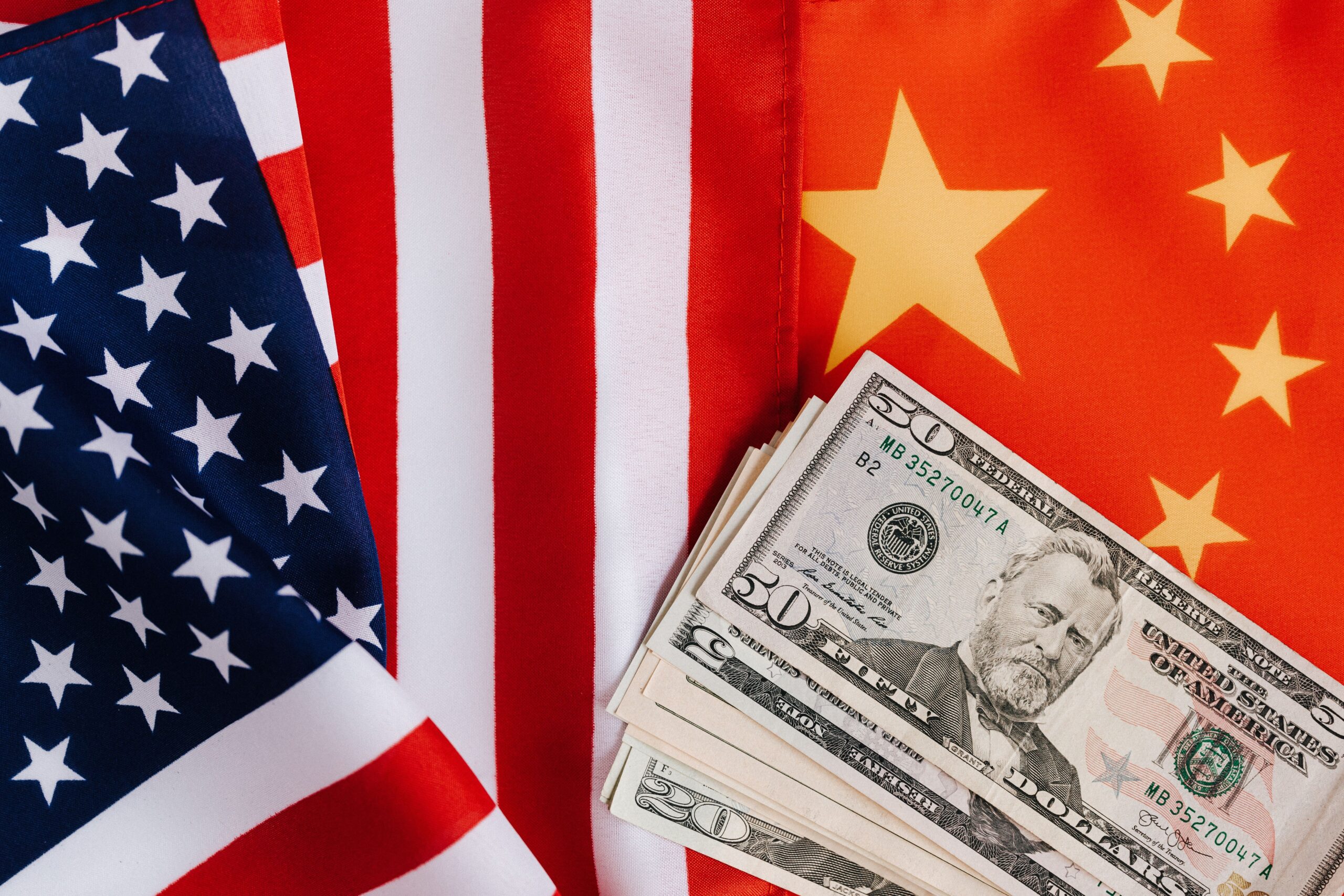
This perspective distinguishes between the immediate political consequences of the election and the long-term strategic reality. While the Democratic victory may lead to changes in diplomatic tone, trade policy negotiations, or domestic regulatory frameworks, the fundamental geopolitical competition remains intact. The article suggests that the “delusions of American power” identified in previous iterations of this debate are being re-examined, leading to a conclusion that the limits of US influence are more pronounced than often acknowledged in domestic political discourse.
There are no credible opposing positions presented in the source material that suggest the US-China rivalry will de-escalate or conclude in the near term. Instead, the consensus among the cited analysts is that the rivalry is set to continue, with potential for heightened tensions. The uncertainty lies not in whether the rivalry will persist, but in how the new Democratic leadership in Congress will navigate these established limits of power. The political process, therefore, moves from a phase of erratic management under the Trump administration to a period where the new majority must operate within the same constrained geopolitical landscape.

The impact on governance will be felt in the day-to-day operations of the federal government, with the Senate and House now aligned under Democratic leadership. This alignment allows for more cohesive legislative action and oversight, which may alter the specifics of US engagement with China. However, the source material indicates that these tactical adjustments will not alter the strategic trajectory. The public, having voted for a change in leadership, faces a political environment where the major external challenges remain unchanged, requiring new leadership to address old problems with limited scope for fundamental strategic reversal.
As the new congressional session approaches, the focus will turn to how the Democratic majority interprets these limits of power. The central decision for the new leadership is not whether to engage with China, but how to manage the rivalry within the constraints of American political and economic reality. The next political development will likely involve the formulation of new policies that acknowledge these limits while attempting to maintain US interests in a competitive global arena.





One Comment