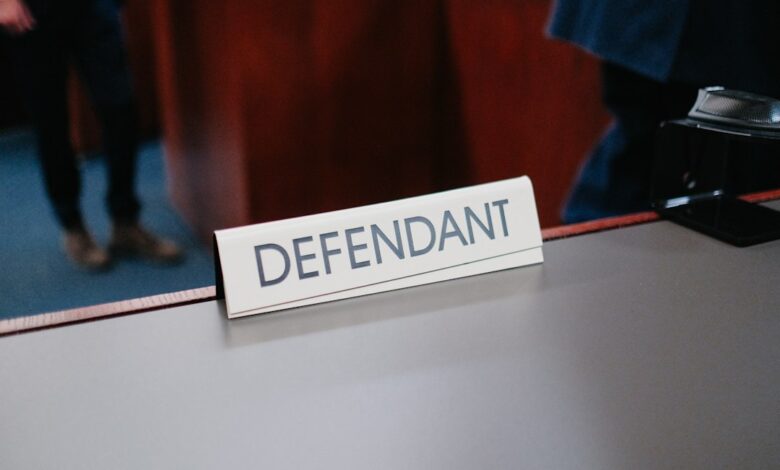
Prosecutors alleged that Beran A had radicalized and sworn allegiance to the Islamic State (IS). According to court documents and prosecutor statements, the defendant obtained instructions from the internet for constructing a shrapnel bomb using triacetone triperoxide (TATP), an explosive commonly associated with IS operations. Authorities stated that he produced a small quantity of the explosive and made several attempts to illegally purchase weapons, including a machine gun and a hand grenade, from outside Austria to bring into the country. Although the plot was foiled before any weapons were successfully acquired or used, the court accepted the prosecution’s case that the intent and preparatory acts constituted a serious terrorist threat.
The foiling of the attack was a collaborative effort between Austrian authorities and the United States. In August 2024, just before the first of the three planned Vienna dates, the Central Intelligence Agency (CIA) provided a tip-off that alerted Austrian security services to the imminent threat. This intelligence led to the immediate cancellation of all three shows at the Ernst Happel Stadium, disrupting plans for approximately 200,000 fans. At the time, then-White House National Security spokesperson John Kirby confirmed that U.S. intelligence had been shared with Austrian partners to enable the disruption of the threat, emphasizing the enduring focus of the U.S. counter-terrorism mission.
Beran A was tried alongside another 21-year-old man, Arda K, a Slovak national accused of being part of the same IS-linked cell. Arda K was not involved in the plot against the Vienna concerts but was sentenced to 12 years in prison on related terrorism charges. During the trial, court psychiatrist Peter Hoffmann testified that Beran A showed no signs of mental illness, stating there was “no psychiatric explanation” for his radicalization. Beran A expressed regret before the jury retired, but the court ultimately determined his actions warranted a maximum-term sentence within the range specified for such offences.
The incident had significant immediate consequences for the tour and the public. Taylor Swift described the event as a “massacre situation” that was narrowly avoided. In a widely shared social media post following the cancellations, Swift expressed a “new sense of fear” and “tremendous amount of guilt” regarding the disappointment of fans, while also expressing gratitude to authorities, noting that the intervention ensured they were “grieving concerts and not lives.” The case also drew attention to broader security concerns regarding mass gatherings, with prosecutors noting that the defendant had also been involved in planning other attacks abroad, including in Dubai and Istanbul, though those plots never materialized.
Legal experts note that the sentencing reflects the severity with which Austrian courts treat preparatory acts in terrorism cases, even when the attack is prevented. The case underscores the operational reliance on international intelligence sharing, particularly between NATO and EU partners, to disrupt threats before they reach the execution phase. While the tactical threat was neutralized through surveillance and inter-agency cooperation, the strategic implications involve the continued vulnerability of high-profile public events to lone-actor or small-cell attacks motivated by extremist ideologies.
The trial in Wiener Neustadt concluded with the convictions, closing a chapter in the 2024 Eras Tour security incidents. No further legal proceedings are currently expected regarding the Vienna plot, though the broader network associated with the cell may remain under investigation. The case serves as a reminder of the persistent challenge posed by the radicalization of young individuals and the critical role of timely intelligence in preventing catastrophic mass-casualty events.



One Comment