
The seismic event occurred on September 19, the anniversary of two major earthquakes that devastated Mexico in 1985 and 2017. Thousands of people died in the 1985 quake, while more than 350 perished in the 2017 event. The recurrence of a major tremor on this specific date prompted immediate public concern. In Mexico City, located roughly 400 kilometers from the epicenter, residents flooded the streets as the seismic alert system sounded nearly two minutes before the quake struck. Mayor Claudia Sheinbaum reported no immediate major structural damage in the capital, though power outages were recorded in the central Roma district and traffic systems experienced disruptions.
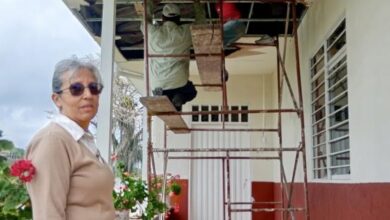
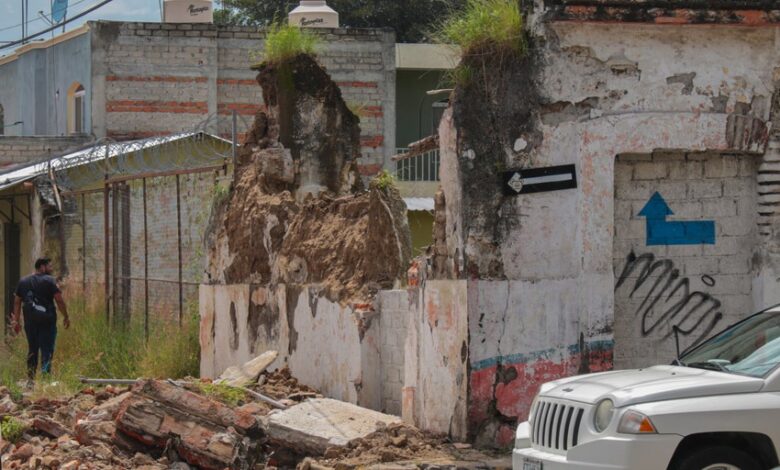
Damage was concentrated in the western state of Michoacan, near the earthquake’s origin. Images from the area showed shingles stripped from roofs, cracked masonry walls, and hospitals sustaining structural injuries. One person was injured by falling glass at a hospital in the region. In Coalcoman, buildings were visibly compromised, with merchandise scattered across floors in affected stores. The shallow depth of the quake, measured at approximately 15 kilometers, contributed to the severity of the ground motion experienced by communities near the epicenter.
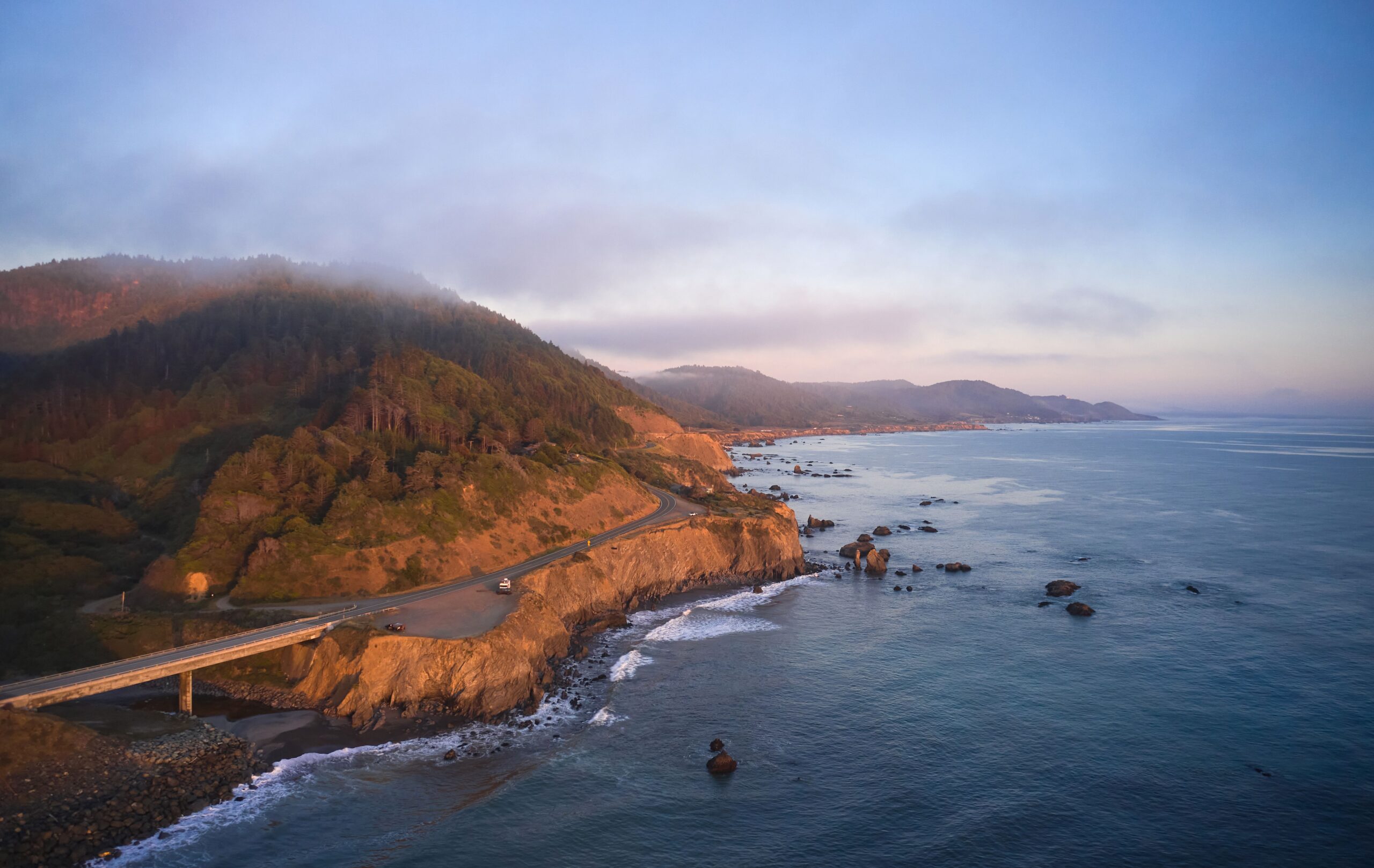
Maritime safety concerns were addressed as the earthquake generated noticeable water level changes. The National Autonomous University of Mexico reported that monitoring stations in the Manzanillo region detected a sea level rise with a maximum amplitude of 124 centimeters. However, both Mexican Civil Protection authorities and the U.S. Pacific Tsunami Warning Center ruled out the formation of a destructive tsunami. While the US Pacific Tsunami Warning Center initially issued a warning for parts of Mexico’s coast, citing potential waves of 1 to 3 meters above tide levels, subsequent assessments clarified that no tsunami threat existed for the U.S. states of California, Oregon, Washington, Hawaii, or Alaska. Authorities advised the public to avoid approaching beaches due to expected swell variations.
President Andres Manuel Lopez Obrador addressed the nation via video, initially stating there were no immediate reports of fatalities before confirming the death in Manzanillo. He acknowledged material damage in areas near the epicenter while emphasizing that the early warning system had provided residents with critical time to evacuate. Business owners in Mexico City noted the psychological impact of the date, with some describing September 19 as a day historically associated with seismic fear. The National Seismological Service attributed the event to the tectonic activity along the Pacific coast, where the Cocos Plate subducts beneath the North American Plate, a zone known for generating significant seismic energy.
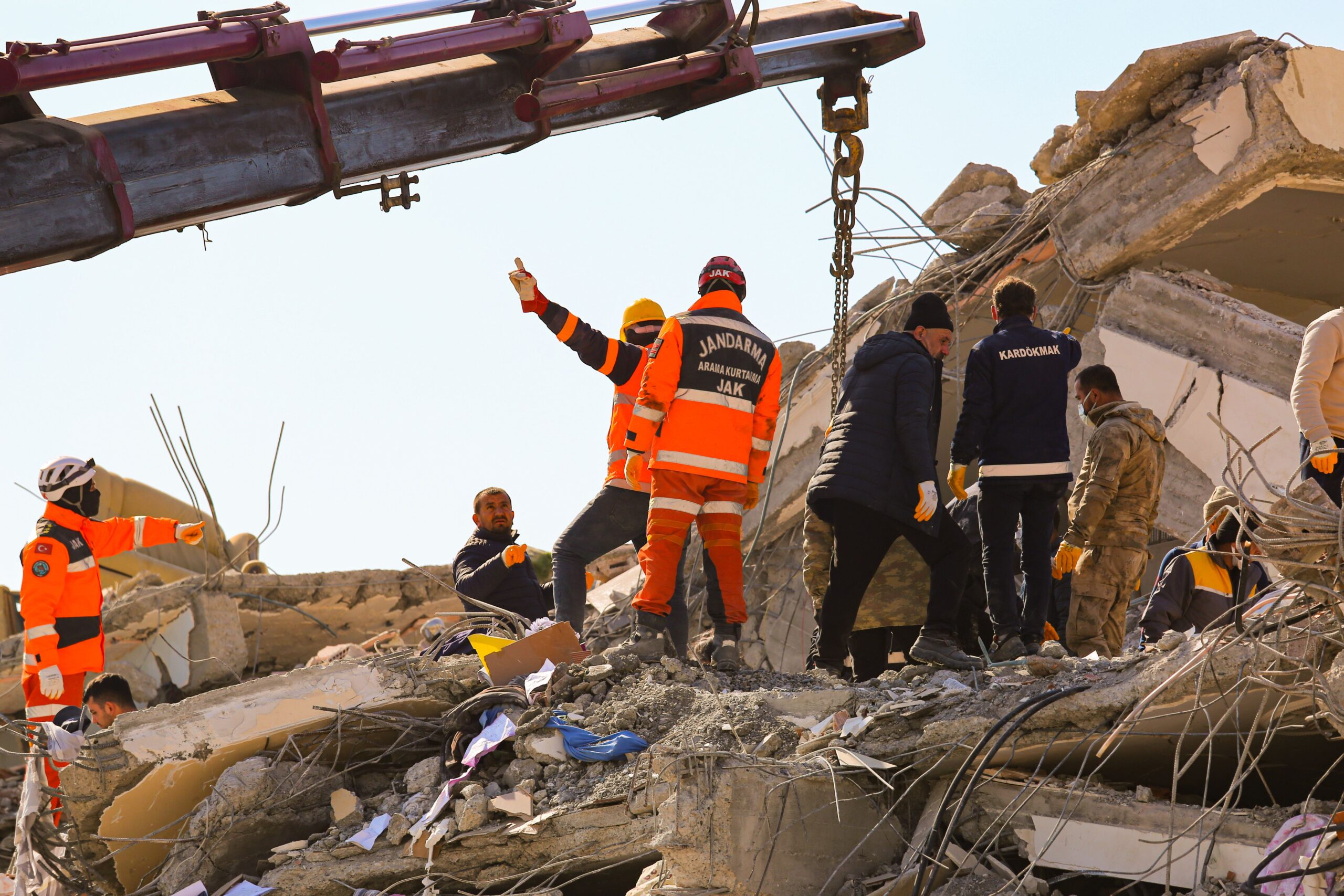
Efforts to assess the full extent of the damage continued as emergency services worked through the affected regions. Preliminary reports indicate that while the mortality toll remains low compared to previous seismic events on the same date, the structural impact on residential and commercial buildings in Michoacan and Colima requires extensive inspection. Monitoring of aftershocks and further sea level variations remains a priority for civil protection agencies in the coming hours.