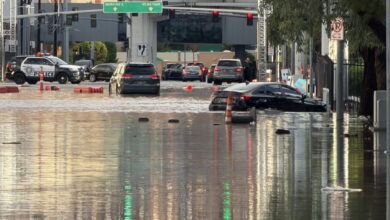
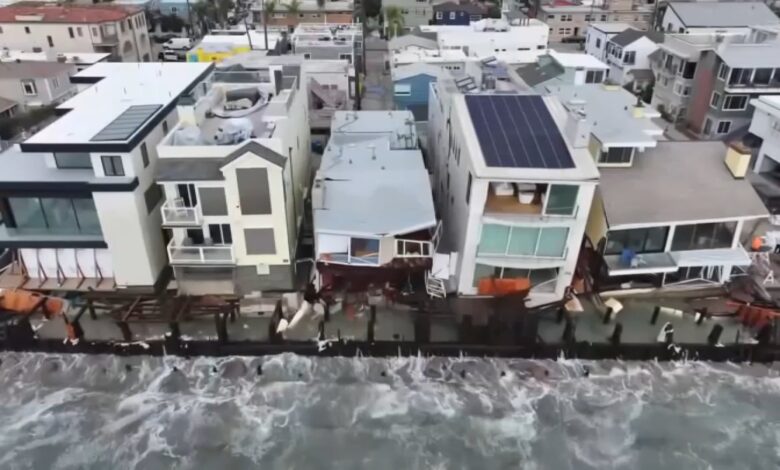
The current crisis is the result of a six-week period during which the peninsula was repeatedly struck by strong surf. This sustained assault has ripped apart infrastructure and undermined the foundations of homes situated close to the water. Beyond the thirteen red-tagged properties, one home has been yellow-tagged, indicating potential hazards that require caution, while nine homes remain under mandatory evacuation orders. Additionally, 39 other residences are under evacuation warnings, a testament to the widespread nature of the coastal erosion and flooding.
City officials describe the situation as an ongoing struggle against a shifting landscape. Jake Heflin, Assistant Chief of the Long Beach Fire Department, noted that repair crews work diligently to minimize further damage, often shoring up areas only to have their efforts undone by subsequent high tide events. “We continue to do a lot of work, and then unfortunately have to restart that work after we have a significant high tide event with that wave activity,” Heflin said. The primary concern for emergency responders is the undermining of home foundations, a process that can render a structure unstable even if the exterior appears intact. Heflin explained that crews have focused on identifying and isolating these compromised areas to the best of their ability.
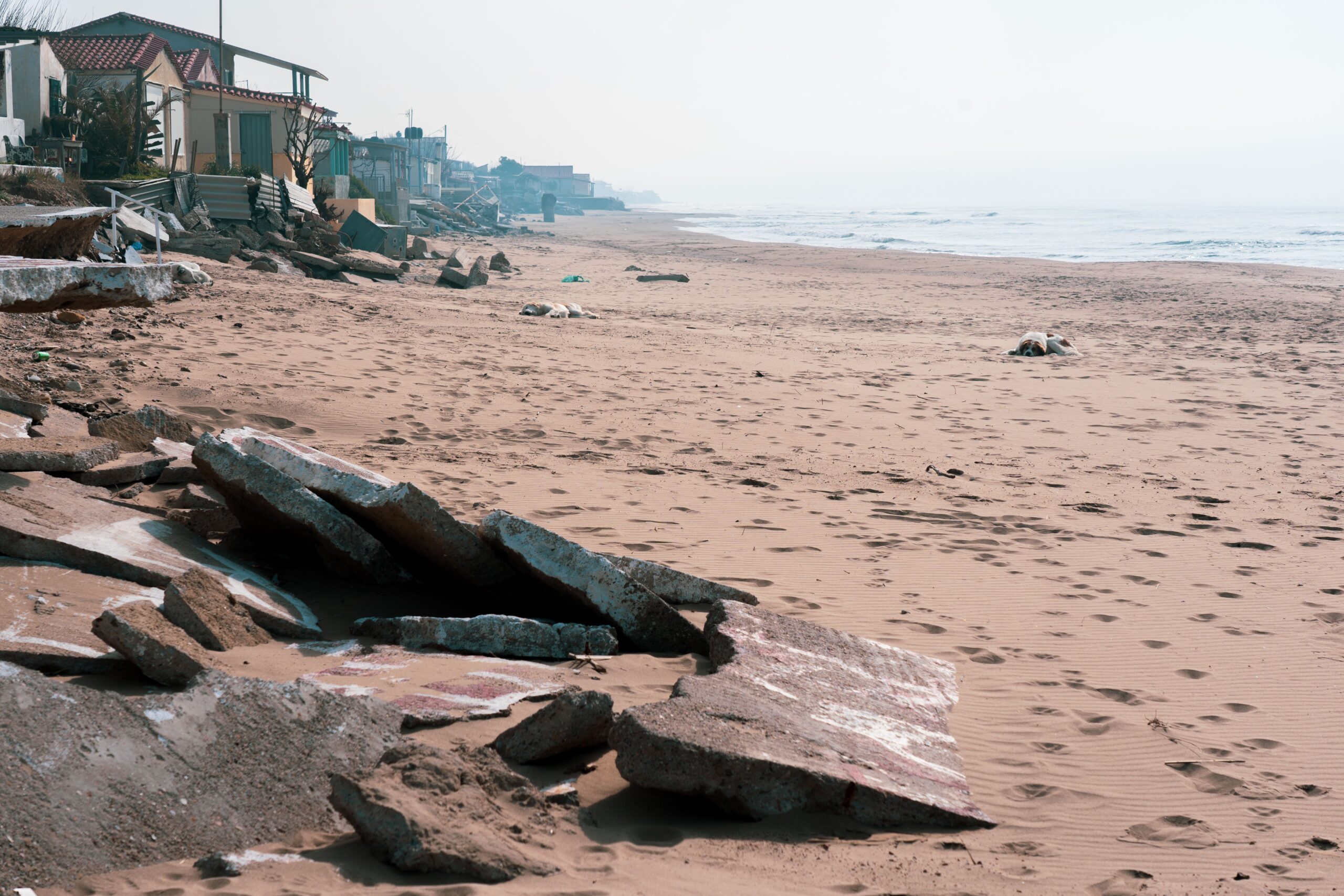
The frequency of these extreme weather events has outpaced the design capabilities of local infrastructure. Long Beach Mayor Rex Richardson stated that the community is experiencing a pace of severe weather that is unprecedented. “Three major storm events, tropical storms and hurricanes within six weeks is unprecedented,” Richardson said. “Our infrastructure wasn’t designed or built for this.” The city declared a local emergency last month following damage from Hurricane Marie, a designation that strengthened its legal and logistical ability to prepare for and respond to flooding, coastal erosion, and infrastructure damage.
The recent surge in damage has been driven by a combination of tropical systems and high tides, including impacts from Tropical Storm Rachel and other recent systems. While the immediate focus is on cleanup and emergency repairs, city leaders are emphasizing the need for long-term resilience. Richardson highlighted the necessity of preparing for potentially more severe conditions throughout the current El Niño season. “Our responsibility is to use what we’re learning now to build stronger protections for the future,” he said, indicating a shift toward adaptive strategies that account for a changing climate baseline.
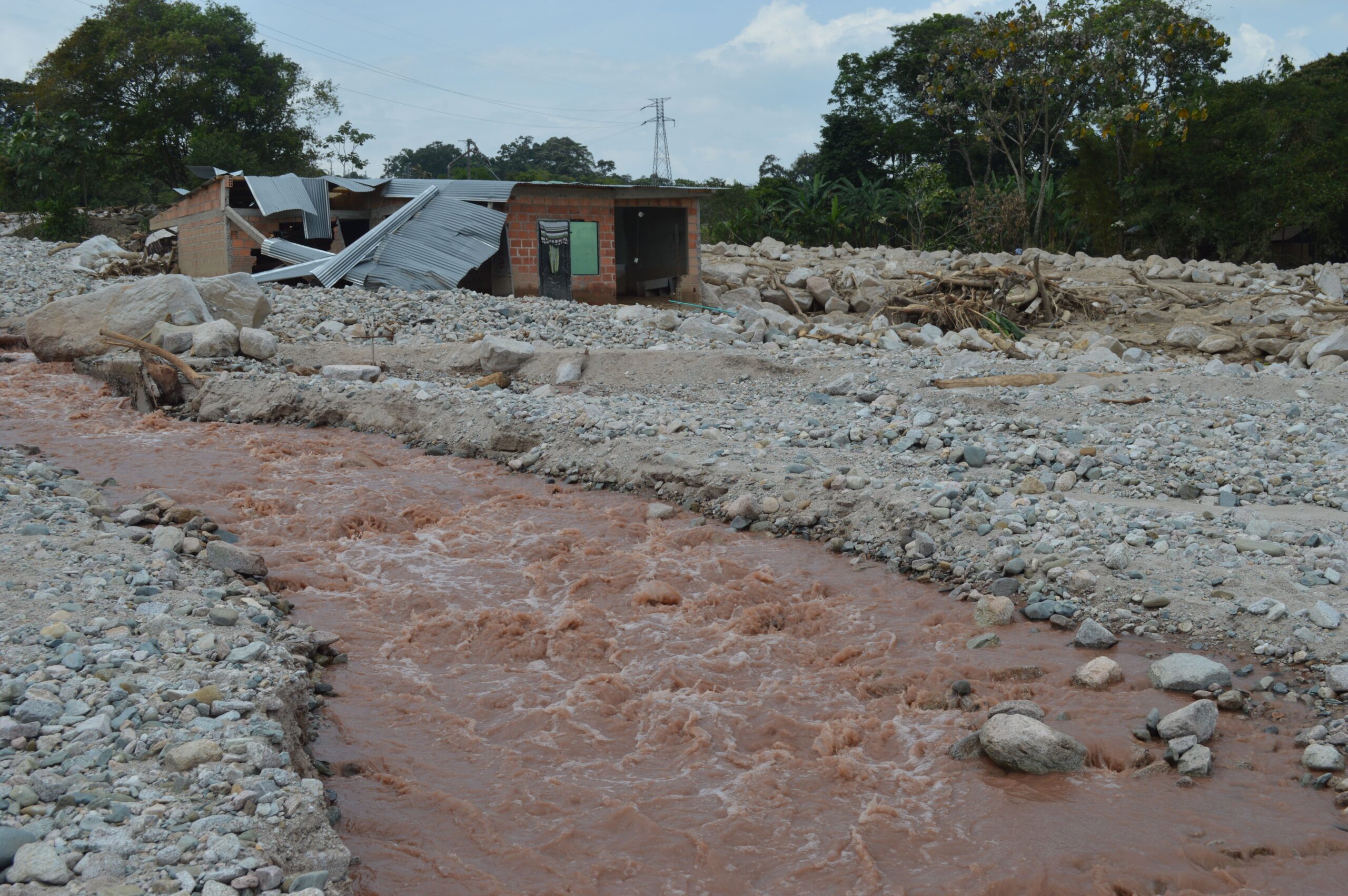
Building inspectors are currently evaluating the extent of the damage to the affected properties. There is no established timeline for when the evacuation orders and warnings will be lifted, leaving many residents in a state of uncertainty regarding their return home. In the interim, the city is encouraging residents to sign up for Alert Long Beach to receive emergency notifications, ensuring they are prepared for potential further high tide events that could cause additional damage to the already vulnerable coastline.
As the city continues to brace for the possibility of another round of high tides, the focus remains on protecting the stretch of coastline from further degradation. The interplay between natural forces and human infrastructure is presenting a significant challenge, one that requires not just immediate repair, but a reevaluation of how coastal communities prepare for the increasing intensity of storm events.