
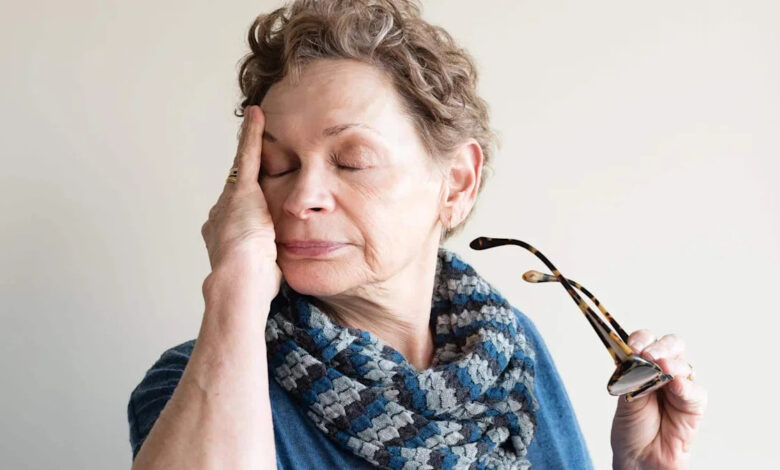
The study was conducted by researchers at Northwestern Medicine, who analyzed data from patients treated at their Neuro COVID-19 Clinic, which has served over 3,300 patients from 44 U.S. states. Dr. Igor Koralnik, chief of neuroinfectious disease and global neurology at Northwestern Medicine, noted that the disparity was evident in both the frequency of neurologic symptoms and self-reported fatigue levels. “We were surprised to see such a significant difference between female and male patients,” Dr. Koralnik said, adding that the gap was also apparent in cognitive tasks involving attention. The researchers hypothesize that long COVID may function as an autoimmune condition, a theory supported by evidence of immune dysregulation in patients. Since women are generally more prone to autoimmune diseases such as multiple sclerosis and rheumatoid arthritis, this biological predisposition may explain the heightened severity observed in female patients.
These findings align with broader public health data indicating the persistent burden of long COVID. A National Center for Health Statistics Household Pulse Survey estimated that nearly 18 percent of U.S. adults had experienced long COVID, with five percent reporting active symptoms as of September 2024. Earlier CDC data from 2023 estimated that approximately 9.2 million U.S. adults were living with the condition, with nearly one in five reporting significant activity limitations due to their symptoms. Despite severe cases of COVID-19 requiring hospitalization becoming rarer, the risk of developing long COVID appears to increase with repeat occurrences of the virus.
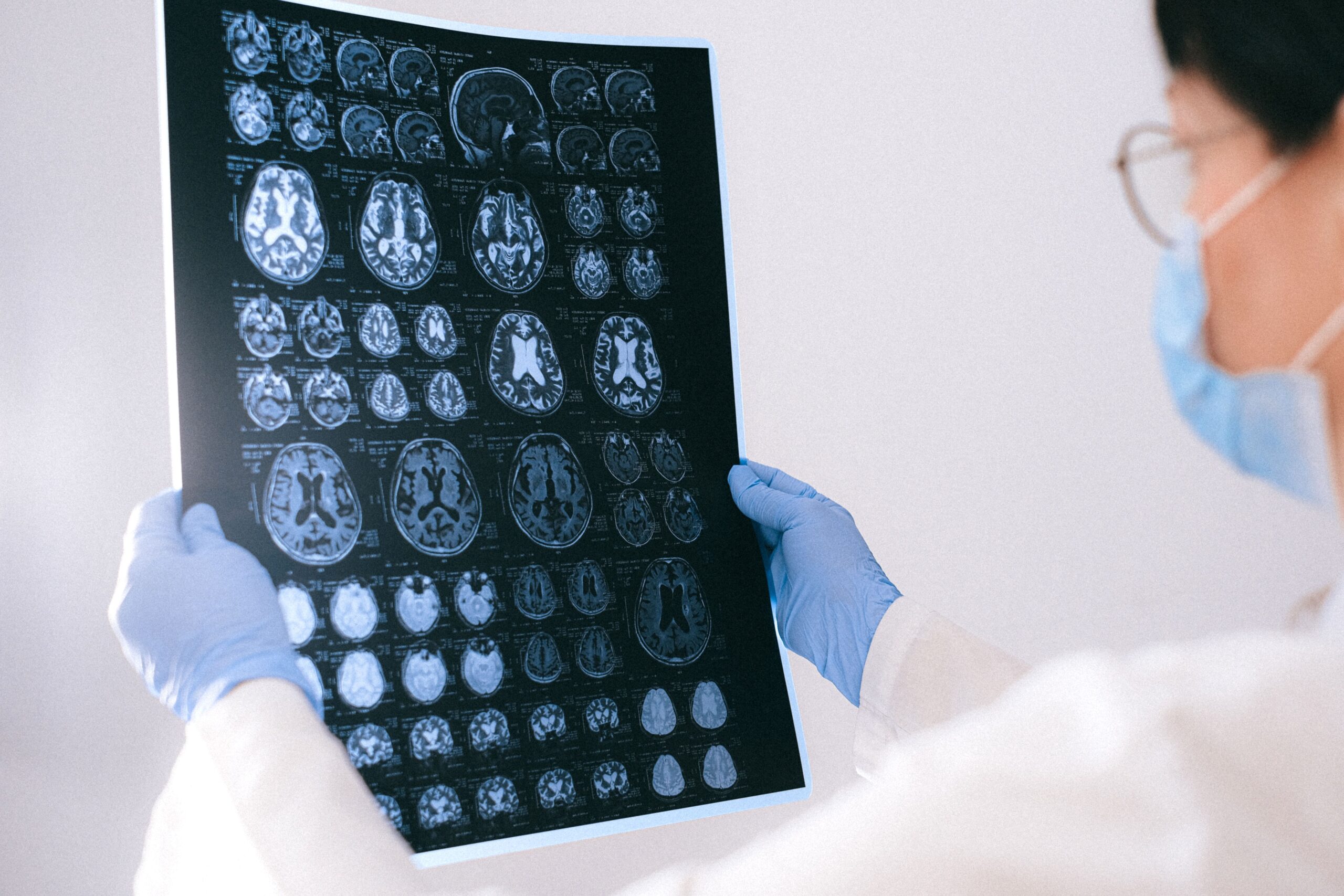
Complementing these demographic findings, a small Swedish study offers a potential neurological mechanism for the cognitive challenges associated with long COVID. Researchers at Danderyd Hospital’s Cognitive Post-COVID Outpatient Clinic, in collaboration with Karolinska Institutet and Karolinska University Hospital, compared 22 individuals with long-COVID fatigue against 19 healthy volunteers. The study focused on cerebral blood flow and sustained attention during a 20-minute cognitive test. The results showed that participants with long-COVID fatigue had slightly lower average cerebral blood flow, with more pronounced differences in brain regions responsible for attention, sensory processing, and cognitive control.
Participants in the Swedish study exhibited slower and more variable reaction times compared to the healthy control group. This variability suggests that maintaining a consistent level of attention is physiologically more difficult for these individuals, even if their overall performance does not deteriorate significantly over time. Notably, while participants reported increased fatigue during the task, their measurable performance did not decline as sharply as that of healthy volunteers who had no such fatigue. This distinction highlights that the cognitive impact of long COVID is characterized by increased effort and variability rather than a simple loss of concentration ability.

The Swedish study remains preliminary due to its small sample size and controlled laboratory setting, which does not fully replicate the complexity of everyday activities such as driving or working. However, it provides a tangible physical metric for a condition often dismissed as subjective. Dr. Koralnik emphasized that the combined evidence from both studies should alert healthcare providers to the importance of timely diagnosis and targeted interventions, particularly for female patients who may face gender bias in medical settings. Future research aims to identify biological markers that indicate disease activity, moving toward more precise, personalized treatment strategies for the millions of adults still affected by long COVID.