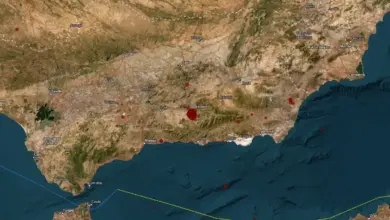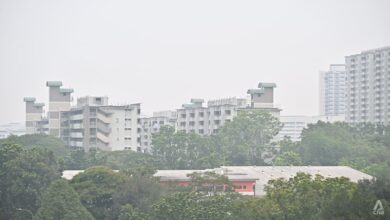
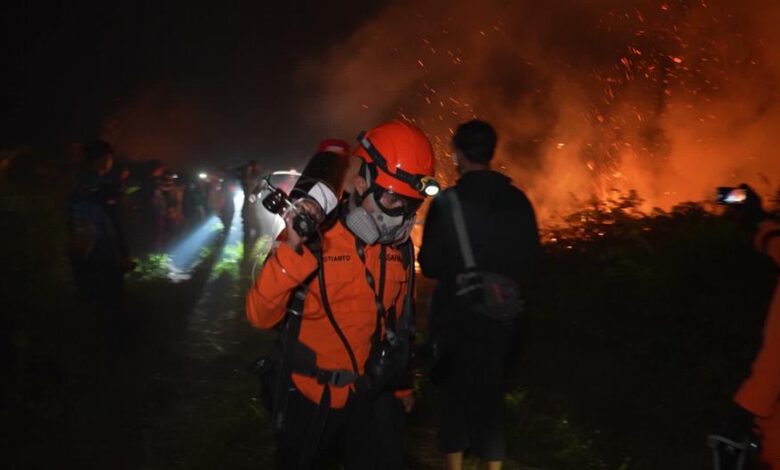
This is not merely a local inconvenience; it is a regional crisis. Wildfires have burned throughout parts of Indonesia for weeks, sending plumes of smoke across national borders into Malaysia, Singapore, and the Philippines. The environmental toll is severe, with carbon emissions approaching levels seen during Indonesia’s devastating 2015 fire season. Health authorities in Central Kalimantan report that worsening air pollution has triggered a surge in respiratory illnesses, with more than 113,000 infections recorded. Nationally, the impact extends to 12.5 million people, forcing communities to adapt to an environment where the air itself has become a health hazard.
In response to the prolonged suffering, residents on Indonesia’s Borneo island have taken their grievances to court. A class-action lawsuit has been filed, aiming to hold the state accountable for the three-month duration of the fires and the resulting toxic smog. However, the legal process has faced immediate friction. Environmental groups and community advocates have criticized the government for its absence at a recent class-action hearing, viewing the no-show as a sign of institutional neglect in the face of an escalating emergency.
The difficulty in extinguishing these fires lies in the nature of the landscape. Peatlands, which are waterlogged deposits of partially decayed plant matter, are highly flammable when drained. Environmental groups point to land clearing, plantation expansion, and canalisation as the primary human factors exacerbating the risk. These activities have dried out the peat, turning what should be a carbon sink into a tinderbox. Once ignited, peat fires can burn deep below the surface, making them notoriously difficult to battle with conventional firefighting methods. The result is a slow, smoldering combustion that releases massive quantities of carbon and fine particulate matter, creating the dense, toxic haze that shrouds the region.
The scientific and evidence-based consensus indicates that while natural weather patterns play a role, the frequency and intensity of these fires are inextricably linked to human-induced land management practices. The current situation mirrors previous severe fire seasons, suggesting that without fundamental changes in land use policy, the cycle of burning and haze is likely to persist. The deployment of volunteers and the establishment of emergency shelters are immediate, reactive measures, but they do not address the root cause. The legal action now underway represents a shift from community-level adaptation to systemic accountability, as plaintiffs seek to force a policy response that prevents future fires rather than merely managing their symptoms.
As the dry season continues, the focus remains on the immediate health crisis. In Central Kalimantan, hospitals are dealing with a high volume of respiratory cases, and the vulnerability of children and the elderly is a constant concern for families like Christina’s. The smoke does not respect borders, affecting neighboring countries and complicating diplomatic and environmental cooperation. While rain is hoped for to provide relief, the underlying vulnerability of the peatlands remains. The court proceedings will now determine whether legal mechanisms can finally drive the necessary changes in land management and fire prevention, or if the communities of Borneo will be left to continue battling the smoke with masks and shelters alone.