
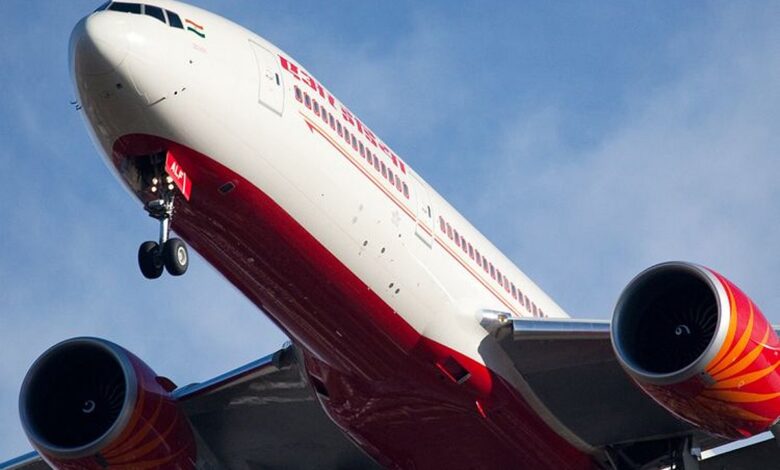
The incident involved a Boeing 787 Dreamliner carrying 306 passengers. According to airport head Charan Singh, the situation arose after Ahmedabad Air Traffic Control received a brief “Squawk 7500” signal from the aircraft. In international aviation standards, Squawk 7500 is a specific transponder code used to signal a possible hijacking or other unlawful interference with the flight. The reception of this code automatically triggers an emergency protocol, requiring the aircraft to be diverted to the nearest suitable airport for security assessment.
Upon landing in Jaipur, the aircraft was moved to an isolation bay to facilitate a secure inspection. Security personnel began a thorough examination of the plane and the luggage of the passengers. In a coordinated operation, security agencies safely evacuated all 306 passengers from the aircraft and transferred them to the airport terminal. Airport officials stated that the situation was firmly under control and that no threats were discovered during the initial sweep.
Official statements indicate that the hijack alert may have been the result of pilot error rather than malicious intent. Charan Singh noted that an investigation is currently underway to establish the precise circumstances surrounding the activation of the emergency code. The distinction between a genuine security threat and a procedural error is critical in aviation, as the false alarm nonetheless required a significant reallocation of security resources and disrupted the scheduled itinerary for hundreds of travelers.
Passengers are expected to continue to their final destination in New Delhi in accordance with standard operating procedures. The diversion highlights the rigorous safety protocols in place for transoceanic and long-haul flights, where any indication of unlawful interference mandates an immediate and cautious response, regardless of the eventual outcome. The incident underscores the importance of clear communication and precise handling of transponder codes to prevent unnecessary disruptions to air traffic and passenger safety.

The use of the Squawk 7500 code is a standardized global practice designed to ensure that ground control and security agencies are immediately aware of a potential in-flight emergency. While false alarms do occur, each instance is treated with the highest level of seriousness until cleared. The investigation into this specific event will likely focus on the cockpit procedures and the specific actions taken by the flight crew that led to the transmission of the emergency code.
For the 306 passengers aboard Flight AI2030, the diversion resulted in a delay of their journey to New Delhi. The safe evacuation and subsequent inspection process demonstrate the effectiveness of airport security protocols in managing unexpected in-flight alerts. As the investigation proceeds, aviation authorities will review the incident to determine if any procedural adjustments are necessary to prevent similar false alarms in the future.
The event also serves as a reminder of the complex interplay between technological systems and human operation in modern aviation. While the Dreamliner is equipped with advanced avionics, the interpretation and transmission of emergency signals remain dependent on crew input. The quick response by Jaipur airport authorities ensured that the potential risk was contained and that passenger safety was maintained throughout the diversion process.
No further details regarding the specific cause of the transponder signal have been released as the official investigation continues. The airport and airline are cooperating with security agencies to resolve the matter. Passengers have been informed of the situation and are being assisted with the next phase of their travel. The incident is currently classified as a resolved security precaution rather than a confirmed threat, pending the final findings of the inquiry.

Aviation Security Protocols
The handling of Flight AI2030 followed established international guidelines for aircraft emergencies. The diversion to Jaipur was a standard procedure for aircraft signaling unlawful interference. The isolation of the aircraft and the evacuation of passengers are designed to minimize risk and allow for a comprehensive security check. The fact that the alert was likely a mistake does not diminish the validity of the response, as security protocols are designed to err on the side of caution to ensure the safety of all individuals on board and on the ground.
The incident is expected to be reviewed by aviation safety regulators to identify any contributing factors. While no immediate changes to air traffic management are anticipated, the case will be added to the database of aviation safety events. The focus of the review will be on the operational aspect of the transponder code activation, aiming to enhance clarity and precision in emergency signaling.
As the investigation moves into its next phase, attention will turn to the specific sequence of events in the cockpit. The outcome of this review will provide insights into the training and procedural adherence regarding emergency transponder codes. Until the final report is released, the incident remains a significant example of the proactive safety measures that underpin global air travel.