Regional Air Quality Breakdown
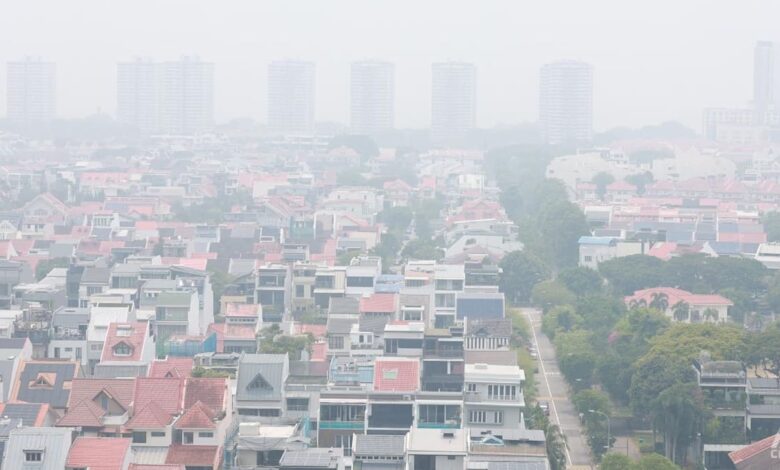
The pollution levels were not uniform across the country. At 3:00 pm on Wednesday, the central region recorded an hourly PM2.5 of 218, while the east stood at 208 and the south at 177, all within the “High” range. The northern region saw a reading of 140, placing it in the “Elevated” category. Despite these hourly peaks, the 24-hour Pollutant Standards Index (PSI) remained in the “Unhealthy” band across all regions, with values ranging from 114 to 160 as of the same time. For context, the most severe haze episode in recent memory occurred in October 2015, when an hourly PM2.5 reading of 471 was recorded in the west, a level significantly higher than the current surge.
Health Advisories and Institutional Responses
In response to the rising particulate matter, the National Environment Agency (NEA) issued specific health guidelines. When hourly PM2.5 readings enter the “Very High” range (251 and above), the agency advises the general public to minimize outdoor activities for the subsequent hour. Vulnerable groups, including seniors, pregnant women, and children, are urged to avoid outdoor exposure entirely during these periods. The deterioration has also prompted operational changes in public facilities. Sport Singapore temporarily closed all outdoor and non-air-conditioned facilities at ActiveSG sport centres in the western region, including sites in Jurong East, Bukit Batok, and Choa Chu Kang, suspending outdoor activities to protect users from harmful air quality.
Earlier in the haze season, on Friday, October 9, authorities announced a tiered response plan to manage potential further deterioration. If the 24-hour PSI exceeds 200, N95 masks will be distributed to eligible Singaporeans, particularly seniors and other vulnerable demographics. Should the forecast for the following day indicate a PSI exceeding 300, entering the “Hazardous” range, schools may be closed. These measures were announced as the 24-hour PSI reached 192 in the central region on October 9, the highest reading recorded during the current haze season. The timing coincided with the Formula 1 Singapore Grand Prix, where organizers confirmed contingency measures were in place should air quality worsen further during the weekend event.
Understanding Discrepancies in Pollution Metrics
While local authorities rely on the NEA’s 24-hour PSI and 1-hour PM2.5 data, residents have observed conflicting figures on international platforms. Last week, Singapore was listed as the most polluted major city on IQAir’s live ranking. This discrepancy arises from methodological differences: IQAir utilizes a modified version of the US Air Quality Index (AQI), known as US AQI+, which applies US-specific breakpoints to hourly pollutant measurements. In contrast, Singapore’s PSI is a localized index designed to reflect specific regional pollutant concentrations and health impacts. The US AQI system considers up to six main pollutants, including PM2.5, PM10, carbon monoxide, sulfur dioxide, nitrogen dioxide, and ground-level ozone, whereas the local focus remains heavily on particulate matter for haze events.
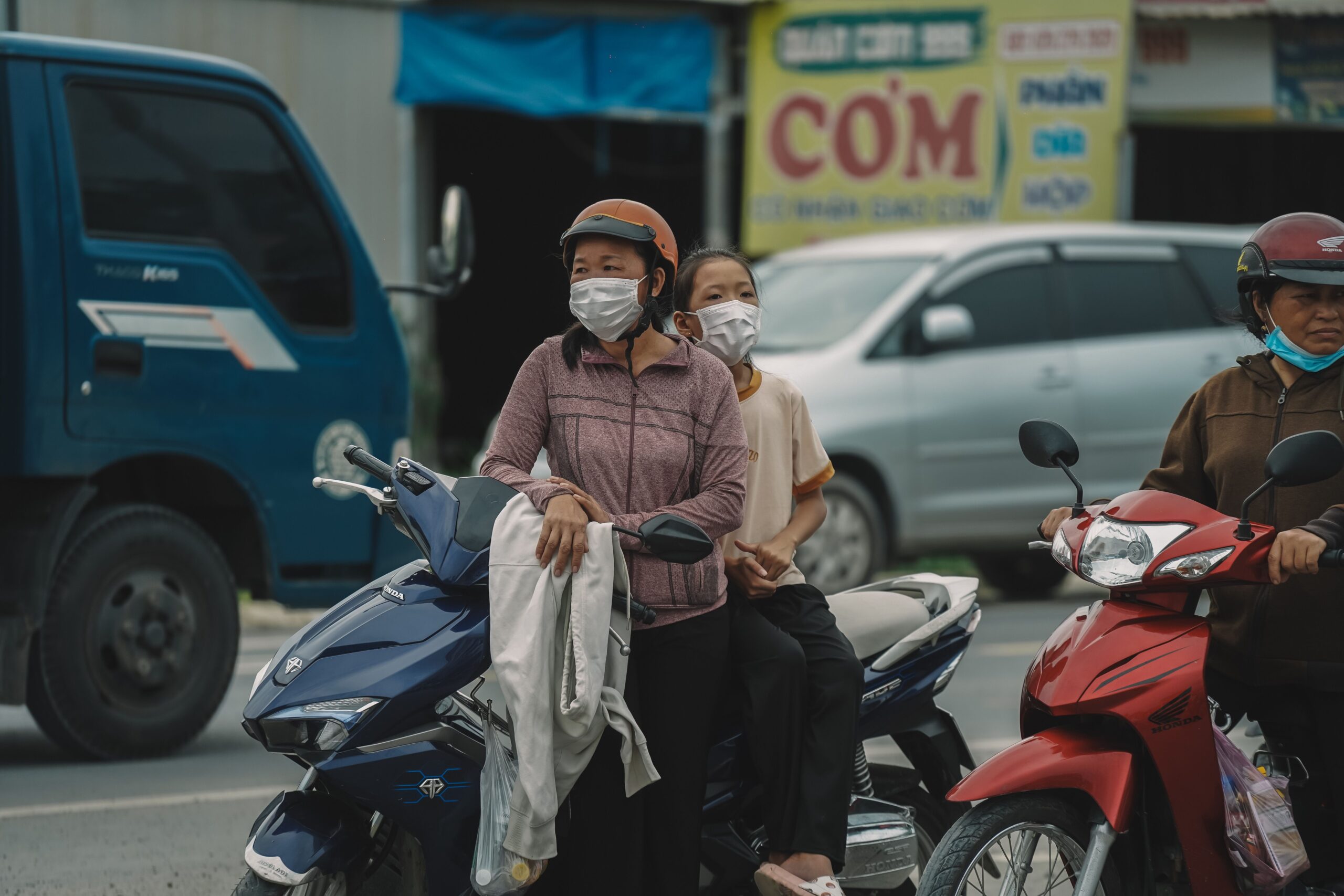
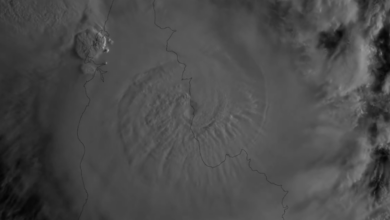
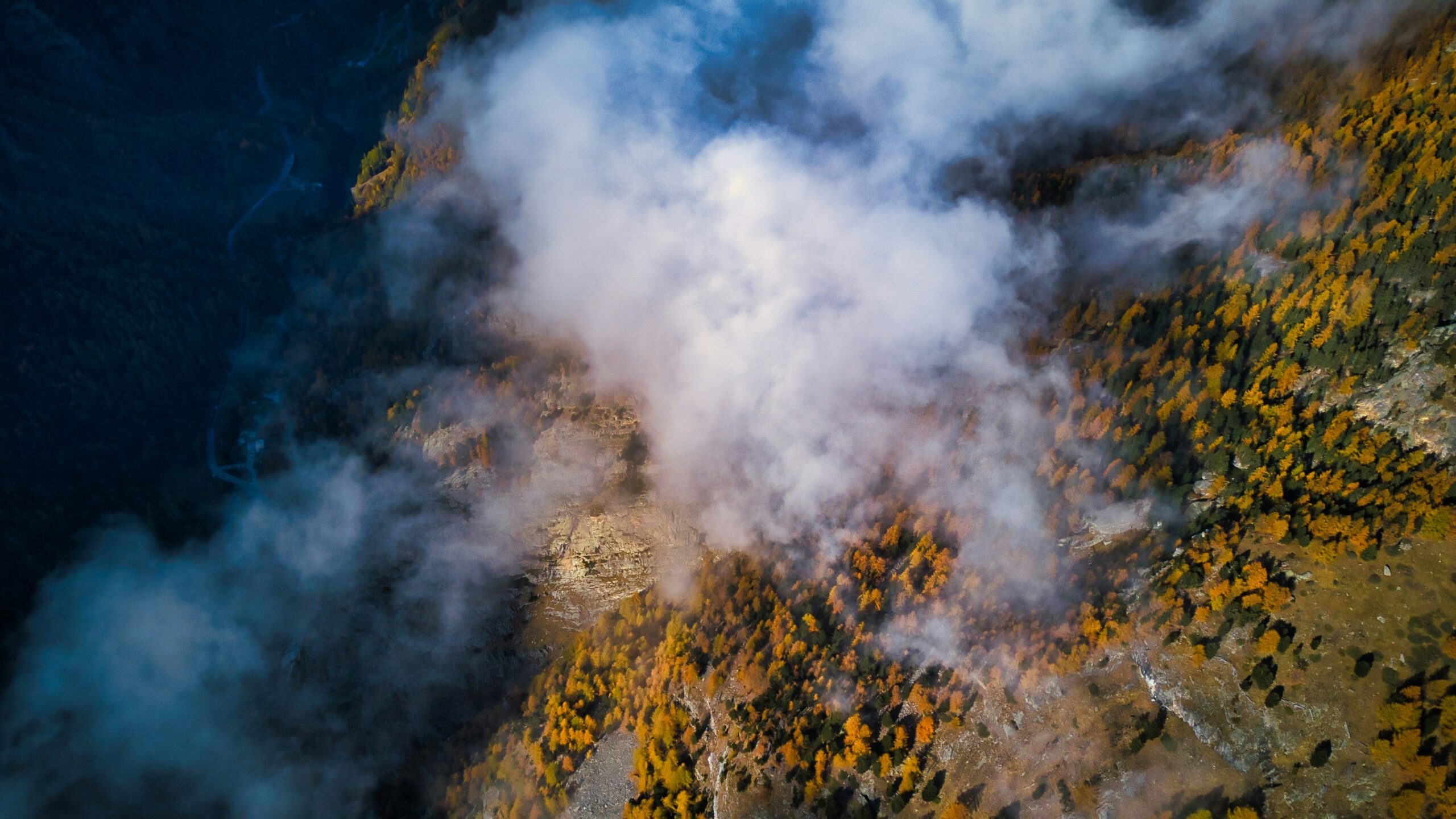
The current haze is attributed to regional wildfires in Indonesia, which have generated dense smoke plumes drifting into Singapore and neighboring countries. The situation has also affected East Timor, where schools were shut down as the wildfire haze intensified. Understanding the distinction between local and international indices is crucial for residents, as the NEA’s real-time hourly PM2.5 data provides the most immediate guidance for daily health decisions, while the 24-hour PSI offers a broader assessment of sustained exposure risks.
As the haze season continues, the primary concern remains the sustained duration of high particulate levels. Monitoring will focus on whether the 24-hour PSI crosses the 200 threshold, which would trigger the distribution of protective masks, or if it approaches the 300 mark, potentially necessitating school closures. The interplay between transboundary smoke sources and local meteorological conditions will determine the trajectory of air quality in the coming days.