The source of this latest contamination has been identified by international maritime agencies as the Gem No. 2, a 330-metre supertanker struck in a suspected Iranian drone attack on October 9 or 10. Although twenty-two Indian sailors were rescued from the vessel at the time, the environmental aftermath has persisted. Dr. Diana Francis, an associate professor and head of the Environmental and Geophysical Sciences Lab at Khalifa University in Abu Dhabi, explained the mechanism behind the lingering odor. “When an oil spill happens, it continues to move with the currents unless it is removed and cleaned completely,” she said. She noted that multiple spills can accumulate in favorable gyre areas, where heat and winds cause the oil to evaporate into the air, releasing fuel-like odors that can travel significant distances. Prashant Kumar, a professor of air quality and health at the University of Surrey in the UK, corroborated this, noting that such air pollution can travel tens of kilometers, explaining why residents far from the immediate spill site were affected.
This single incident is not an isolated event but part of a wider pattern of environmental degradation across the Persian Gulf. A recent study published in the International Journal of Research and Innovation in Social Science describes the ecological damage resulting from the Iran war as “unprecedented.” The conflict, which began at the end of February following strikes by the US and Israel, has severely threatened sensitive marine and coastal ecosystems. The research indicates that the war has compounded existing pressures from climate change, coastal development, and unsustainable exploitation. Oil spills, military strikes, and damage to coastal infrastructure are now threatening coral reefs, mangroves, seagrass beds, wetlands, and the marine life that depends on them.
The Persian Gulf is home to more than 700 fish species and provides critical habitats for dugongs, dolphins, whales, sea turtles, sharks, and migratory birds. The study warns that these species have been put at risk by attacks on oil and energy infrastructure. Oil released into the water does not merely coat the surface; it can damage the cardiac, respiratory, and immune systems of marine animals. Furthermore, its neurotoxic effects can disrupt navigation and sensory processing in species such as dolphins and turtles. Dr. Devaraj Asir Ramesh of Anna University in Chennai, who compiled the analysis, highlighted that Iranian strikes on the Emirates likely contaminated seagrass beds with hydrocarbons and caused auditory damage to cetaceans, which are highly sensitive to loud noise traveling through the sea.
The scale of the potential damage is illustrated by the case of the Iranian vessel Shahid Bagheri. Struck in March, the vessel leaked heavy oil into the Khuran Strait for at least a month. Grounded in shallow waters approximately five kilometers off Qeshm Island, the study predicted that prevailing currents were carrying the contamination westward toward the Hara wetlands and the protected Hara Biosphere Reserve. This UNESCO-recognized reserve is the largest mangrove forest in the Persian Gulf and a vital habitat for migratory birds, fish, and endangered turtles. Despite a temporary ceasefire, the researchers noted that the area had not been cleaned up due to maritime tensions and the interference of GPS and AIS signals, which obstructed coordination among international environmental response groups.
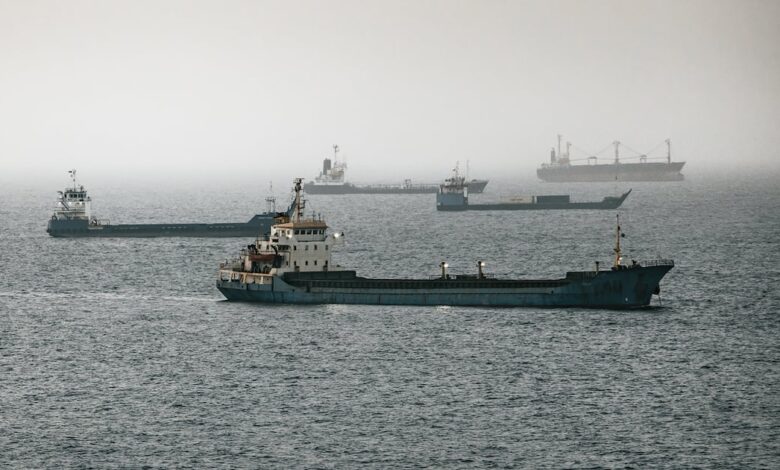
The stakes extend beyond biodiversity to the region’s economic and infrastructural stability. The Strait of Hormuz, a vital route for global oil shipments, is also a habitat for dolphins, whale sharks, and critically endangered Arabian humpback whales. With nearly 2,000 ships stranded by attacks and ongoing blockades, an estimated 21 billion liters of oil remain afloat, raising the risk of further environmental damage. Additionally, oil pollution threatens the Gulf’s desalination infrastructure. In a region heavily dependent on desalination for freshwater production, contamination of intake waters could disrupt water supply across the Gulf. Satellite observations have also confirmed lasting atmospheric contamination, with measurable spikes in sulphur dioxide and pollution from refinery explosions and port attacks.
In response to these compounding threats, scientists are urging Gulf nations to form an environmental “ecological union” or task force to coordinate restoration efforts. Dr. Ramesh suggested specific measures, including coral reef regeneration at Musandam, increased mangrove planting at Ras Al Khor in Dubai, and the restoration of seagrass meadows off Abu Dhabi. These efforts aim to mitigate the harm to biodiversity, fisheries, aquaculture, and eco-tourism caused by the conflict.
As teams in Umm Al Quwain continue their containment and remediation operations, the focus remains on limiting the immediate environmental impact of the Gem No. 2 spill. However, the broader challenge of restoring the Gulf’s fragile ecosystems against the backdrop of ongoing geopolitical tension and climate change remains unresolved. The next verified development will hinge on the success of these coordinated restoration initiatives and the ability of regional authorities to manage the extensive, lingering contamination documented by both local monitoring systems and international research.