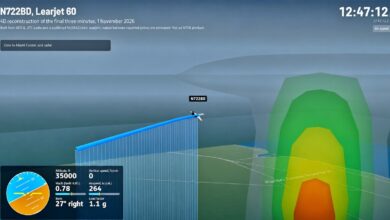

The tragedy has gained renewed attention following the release of air traffic control (ATC) recordings that capture the final moments of the flight. These newly disclosed audio files document the crew’s urgent mayday calls, providing a stark auditory record of the emergency as the aircraft descended rapidly. The recordings serve as a critical piece of evidence for Federal investigators, who are working to reconstruct the sequence of events leading to the crash.
While the immediate cause of the accident remains under scrutiny, federal authorities have identified specific meteorological factors as key areas of inquiry. Icing and turbulence are cited as reported factors in the preliminary stages of the investigation. Understanding the interplay between these atmospheric conditions and the aircraft’s performance is central to determining whether mechanical failure, pilot error, or environmental hazards were the primary contributors to the disaster.
The crash highlights the persistent risks associated with flight operations in challenging weather conditions. Icing on aircraft surfaces can significantly alter aerodynamic properties, reducing lift and increasing drag, while severe turbulence can impose extreme structural loads on the airframe. The rapid loss of altitude described in the available reports suggests that the aircraft encountered conditions that overwhelmed its ability to maintain stable flight parameters, leading to the fatal impact in Greenacres.
As the investigation proceeds, the focus will likely remain on correlating the ATC communications with meteorological data from the time of the flight. This evidence-led approach is essential for distinguishing between specific weather events and broader operational risks, ensuring that any conclusions drawn are grounded in verifiable data rather than speculation. The findings from this case may inform future safety protocols regarding flight planning in areas prone to icing and turbulence.