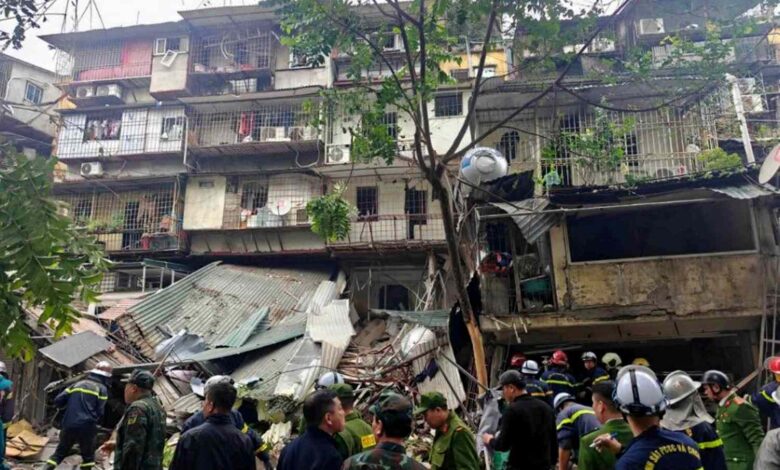
As of Wednesday, November 25, the death toll had risen to seven, with nine others injured and hospitalized. Earlier reports on Tuesday had suggested two or three fatalities, but the number increased as rescue efforts continued. By 1 p.m. Tuesday, six people had died, and 10 individuals were in intensive care across three of the city’s hospitals, per a city press release. First responders, including Hanoi City Police Department officers and EMS workers, arrived shortly after the incident to rescue people trapped in the wreckage. More than eight fire trucks and rescue vehicles, along with sniffer dogs, were deployed to the scene to search for survivors in the collapsed structure.
The immediate aftermath saw a rapid mobilization of emergency services and a public response marked by shock. One neighbor, speaking to Nhan Dan, described the sound as “very loud, like thunder, but it wasn’t raining.” The resident ran to their balcony to find a “scene of devastation.” Another resident, located approximately 300 meters away, reported hearing the loud explosion and seeing people shouting, which helped them locate the source of the blast on Nguyen Van Tuyet Street.
In response to the tragedy, Vietnamese Prime Minister Le Minh Hung and Deputy Prime Minister Pham Gia Tuc extended their “deepest condolences to the families of the victims” in an official dispatch. They urged authorities to maintain rescue efforts and conduct a thorough investigation. The chairman of the Hanoi People’s Committee instructed police and local officials to determine the cause of the explosion, identify those responsible, and establish whether any laws were broken during the incident.
Following the investigation, Vietnam’s Fire Prevention, Fighting and Rescue Police Department issued urgent safety recommendations for gas retailers, households, and commercial kitchens. The department noted that gas-related fires and explosions have been on the rise, while many people lack adequate knowledge of safe gas storage and use. Initial police investigations confirmed that the Hanoi explosion was caused by leaking gas that mixed with oxygen in the air and ignited upon contact with a heat source.
The new guidelines emphasize strict adherence to safety protocols for the handling of gas cylinders. Consumers are advised to purchase or exchange gas cylinders only from licensed suppliers and qualified retailers. Before use, users should check the cylinder’s brand, seal, supplier information, and condition, avoiding cylinders of unclear origin, those that have been reused excessively, or those showing signs of tampering. Physical placement is also critical: experts recommend keeping gas cylinders at least 1.5 meters from the stove and placing them upright, below the level of the stove.
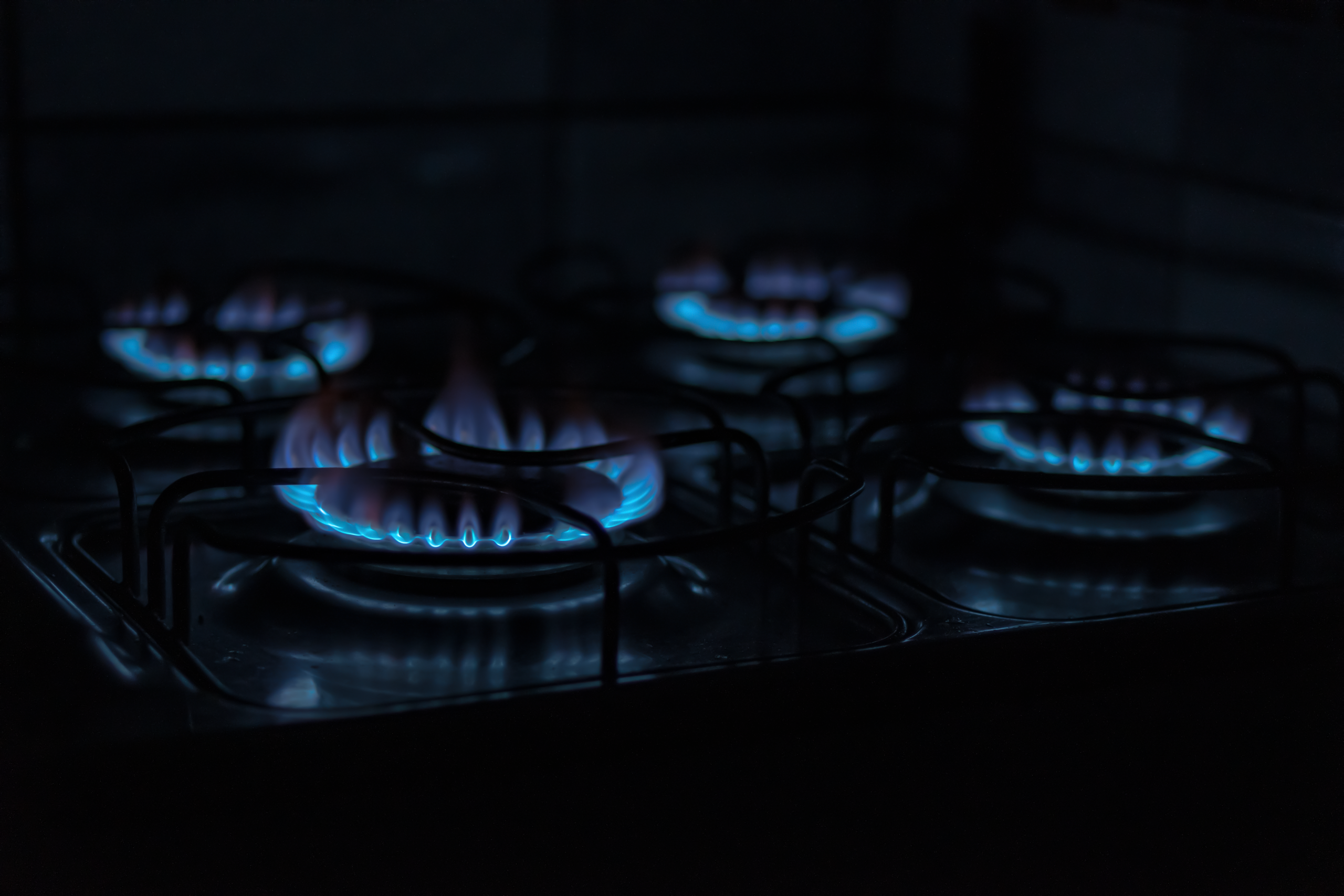
Further recommendations include keeping gas cylinders in well-ventilated areas, away from heat sources, sparks, and direct sunlight. Cylinders should not be placed in basements, pits, or poorly ventilated enclosed spaces, nor should they be connected to additional cylinders without authorization. Gas stoves should be placed at least 15-20 cm away from walls or other obstacles, kept away from flammable materials, and protected from direct drafts. Consumers are also urged to use specialized gas hoses that are in good condition, free of cracks, breaks, or bulges, and to ensure that installation and repairs are carried out by qualified technicians. Before using a gas stove, users should check the cooking area and ignite the burner according to instructions, and after use, they should close the cylinder valve.
The incident in Dong Da Ward highlights the ongoing risks associated with gas usage in densely populated urban areas. While the specific cause in this instance was determined to be a leak igniting from a heat source, the broader recommendation from the Fire Prevention, Fighting and Rescue Police Department underscores a systemic need for improved public understanding of gas safety. The investigation into the restaurant explosion continues, aiming to establish accountability and prevent similar tragedies in the future.