The document, released publicly on Monday after being first reported by Axios, stated that “Canada’s defense shortfalls speak for themselves” and that the country “must get serious and focused.” The Pentagon alleged that Canada has failed to make the “hard decisions and tradeoffs” necessary to fulfill its NATO Defense Investment Pledge. It cited specific operational readiness deficits, noting that only 41.9% of Canada’s air force fleet and 53.9% of its naval fleet were serviceable in the 2025-26 fiscal year, while army operational readiness stood at 48%.
The criticism follows a classified directive from U.S. Defense Secretary Pete Hegseth issued last week, which restricted U.S. military officials’ participation in Canadian think tank events and social engagements. Republican U.S. Sen. Mike Rounds, speaking at the Halifax International Security Forum, confirmed the memo largely restricts these interactions but stated it would not affect military operations. Pentagon spokesperson Sean Parnell said the department is taking steps to ensure engagements with Canada “advance tangible U.S. defense objectives.”
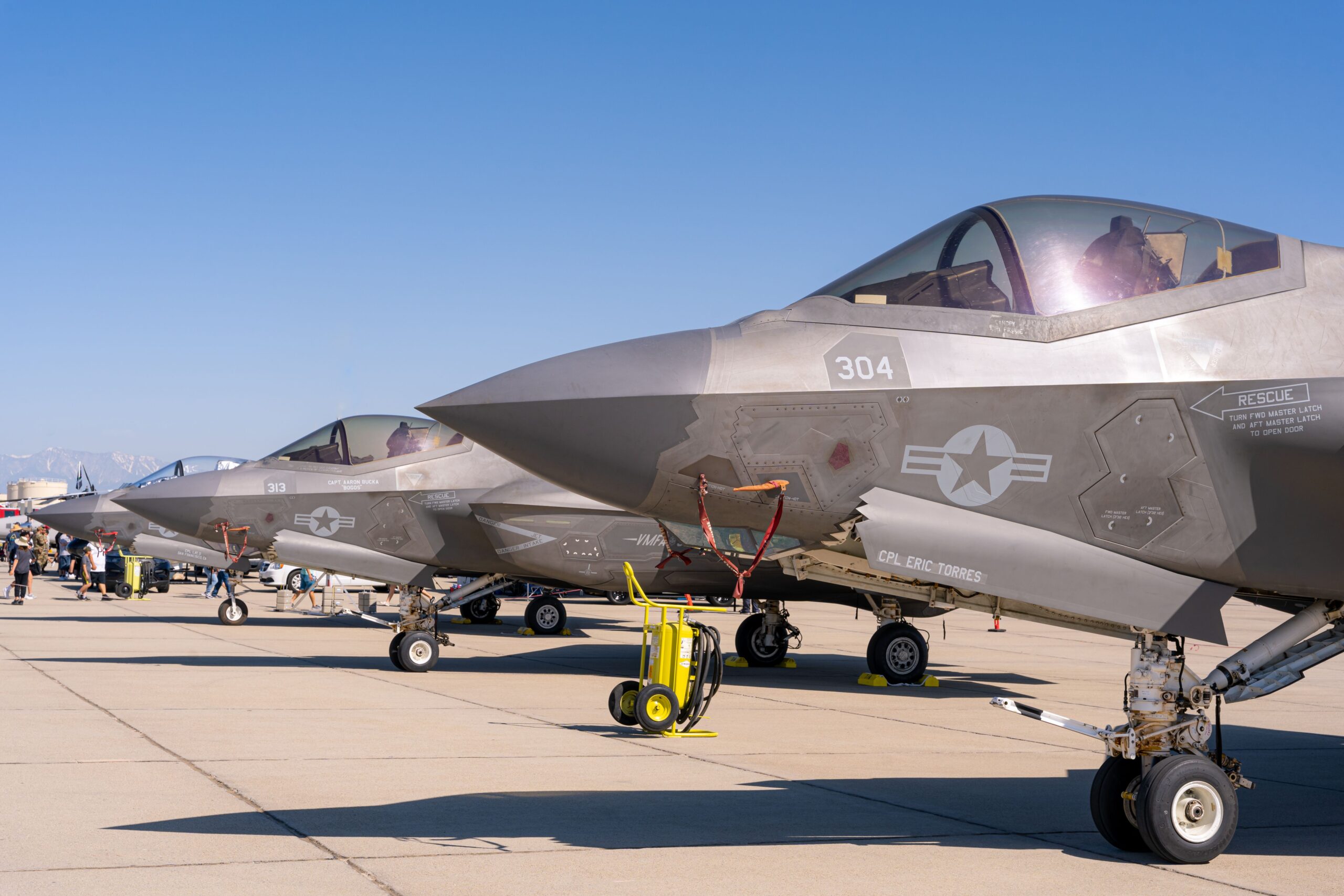
The fact sheet also targeted Canada’s review of its planned purchase of 88 F-35 fighters. The Pentagon warned that a mixed fighter fleet, potentially including Swedish-made Gripen jets to support domestic manufacturing jobs, could worsen personnel shortages. It accused Canadian leaders of placing “parochial economic and commercial interests over military optimization,” creating uncertainty for the North American Aerospace Defense Command (NORAD), which the two countries operate jointly.
Relations between Washington and Ottawa have deteriorated significantly under the administration of President Donald Trump, driven by trade wars and threats to Canadian sovereignty. In May, U.S. Undersecretary of Defense for Policy Elbridge Colby announced a pause in the Permanent Joint Board on Defense, a bilateral advisory body established in 1940, citing a lack of credible progress from Canada. At the time, a high-ranking U.S. official stated that Ottawa had not provided a credible response to a classified paper outlining priorities for a collective North American defense pact.
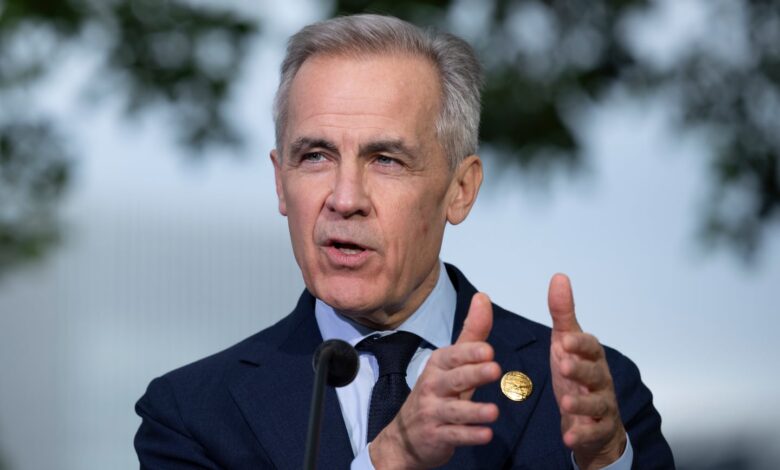
Canadian Prime Minister Mark Carney initiated the F-35 review in response to Trump’s tariffs and sovereignty threats, stating that Canada should no longer send three-quarters of its defense capital spending to the United States. Carney has previously acknowledged readiness issues, noting that only one of Canada’s four submarines was seaworthy. Ottawa has since named Germany’s Thyssenkrupp Marine Systems as the preferred supplier for up to 12 replacement submarines, pending contract negotiations.
In response to the latest Pentagon document, Defense Minister David McGuinty’s office had not yet provided a substantive response to requests for comment. However, speaking at the Halifax International Security Forum on Saturday, McGuinty described relations between the militaries as “business as usual,” assuring the public that cooperation on defense, security, and intelligence continues. The next expected development is a formal response from the Canadian government regarding the Pentagon’s specific allegations and the status of the F-35 procurement review.