
The absence of a deal leaves vulnerable regions without new financial mechanisms for adaptation. Egypt, North Africa, and the Horn of Africa, areas highly exposed to rising temperatures and water scarcity, concluded the talks with no new funding commitments. The diplomatic stalemate was characterized by a lack of unified leadership among major emitters. Gidon Bromberg, co-founder of EcoPeace Middle East, noted that few governments perceived a political benefit in leading on climate action, particularly those facing significant economic costs. “There’s no real sense of political urgency,” Bromberg stated, contrasting the current atmosphere with the 2023 Dubai talks, where an oil-producing nation took a leadership role by framing renewable investment as profitable.
A central point of contention during the negotiations was the role of Carbon Capture, Utilization, and Storage (CCUS). The proposed text included support for CCUS technologies, setting a target for at least 500 million tonnes of annual capacity by 2035, with a longer-term ambition of 1.3 to 2.5 billion tonnes. However, this section proved divisive. Critics argue that prioritizing carbon capture without a clear, binding transition away from fossil fuels risks extending the operational lifespan of oil and gas infrastructure. Mohammad Ayoub, the Saudi negotiator representing the 22-member Arab Group, defended the inclusion of CCS, stating, “We believe that climate change requires all solutions on the table and that countries select from these solutions depending on their national circumstances.” He rejected allegations that the push for CCS was a form of greenwashing, emphasizing the necessity of diverse technological approaches.
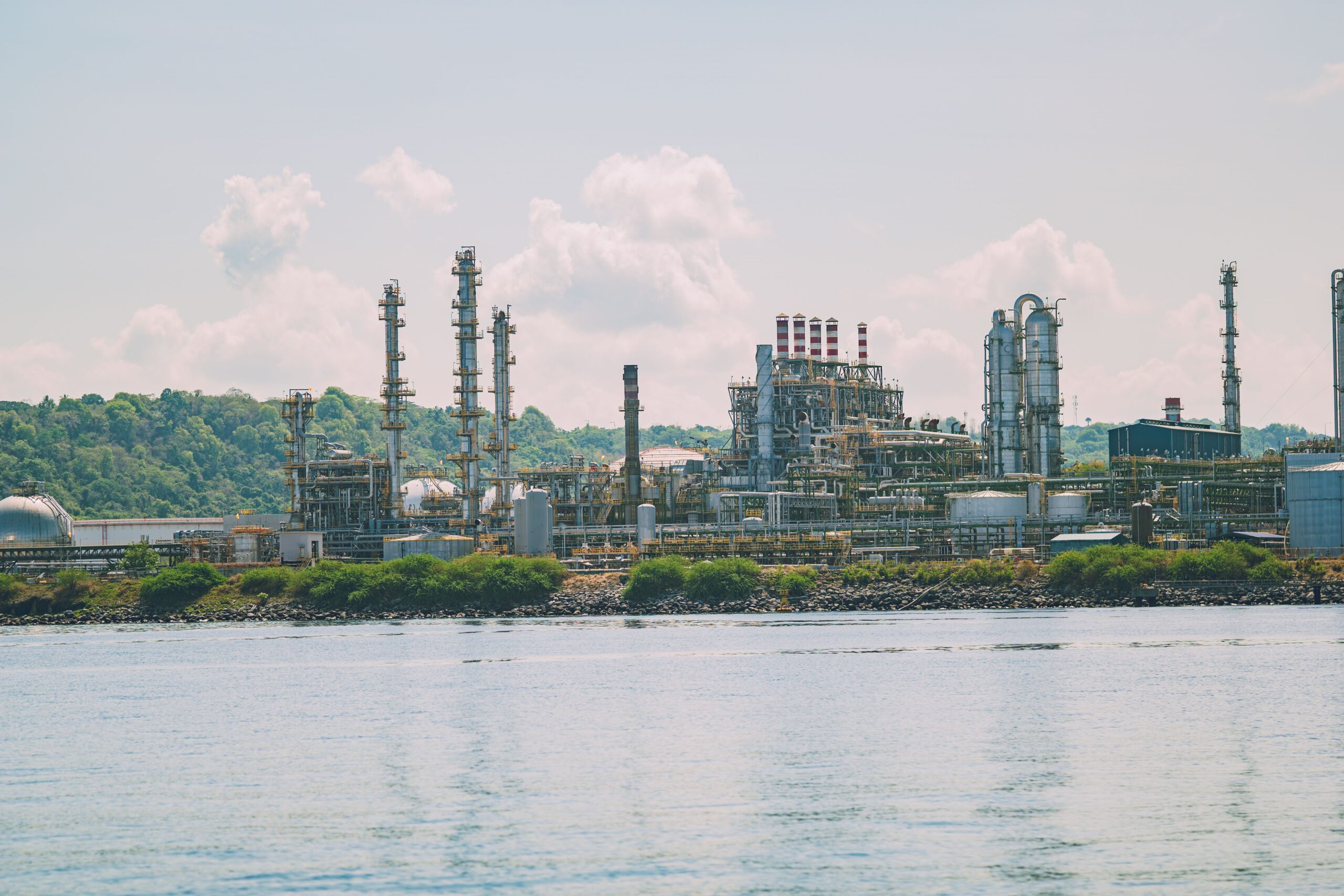
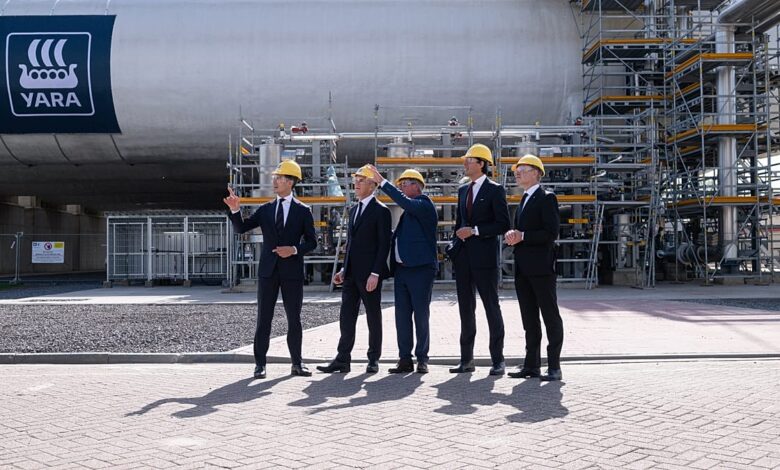
The debate over CCS is not merely theoretical; it is already influencing European industrial policy. In September, the European Commission inaugurated the Sluiskil project in the Netherlands, described as the largest commercial carbon capture and storage project in Europe. Operated by Norwegian chemical company Yara, the facility captures 800,000 tonnes of CO2 annually from ammonia and fertiliser production. The CO2 is liquefied and shipped to Norway for storage beneath the seabed. The European Commission framed this as a “strategic investment,” with the Commissioner for Climate, Net Zero and Clean Growth attending the ceremony alongside the Prime Ministers of the Netherlands and Norway. However, opponents of the project argue it risks billions in taxpayer funds to fund a “dangerous distraction that delays climate action.”
According to Carbon Brief, there were 75 operational CCS projects globally as of February 2026. The International Energy Agency’s database indicates that almost all of these projects are located at fossil-fuel extraction and processing sites. Together, these projects capture 62.5 million tonnes of CO2 annually, a figure that remains a small fraction of global emissions. The economic and environmental trade-offs remain significant. Questions regarding the high costs, energy requirements, and long-term storage liability of CCS projects remain unresolved in the broader policy framework. Critics point out that while CCS can mitigate emissions from specific industrial processes, it does not address the root cause of rising atmospheric carbon if fossil fuel extraction continues unabated.
The diplomatic dynamics of COP31 also highlighted shifting alliances among major emitters. The United States sent no delegation for the second consecutive year, with the White House dismissing the talks as “climate nonsense.” Meanwhile, China sided with oil producers, complicating efforts to build consensus on fossil fuel phase-out language. Cauvery Ganapathy, a nonresident fellow at the Observer Research Foundation Middle East, noted that the UAE’s diplomatic approach has shifted toward bridge-building, moving away from the stark zero-sum assessments previously associated with oil-producing nations. However, this shift did not prevent the final breakdown. Turkish Environment Minister Murat Kurum, who presided over the summit, blamed the failure on countries that “got stuck on a single word or phrase,” bringing in issues unrelated to climate that blocked progress.
Despite the collapse, some analysts see the retention of the UAE Consensus text as a potential springboard for future negotiations. Jaber Al-Shuaibi, an Emirati researcher, observed that while the direction of climate action is clear, the world remains divided over who bears the cost of the transition. The lack of a deal leaves the international community without a new roadmap for reducing emissions or financing adaptation, placing additional pressure on individual nations and vulnerable communities to manage the impacts of a warming world without coordinated global support.