
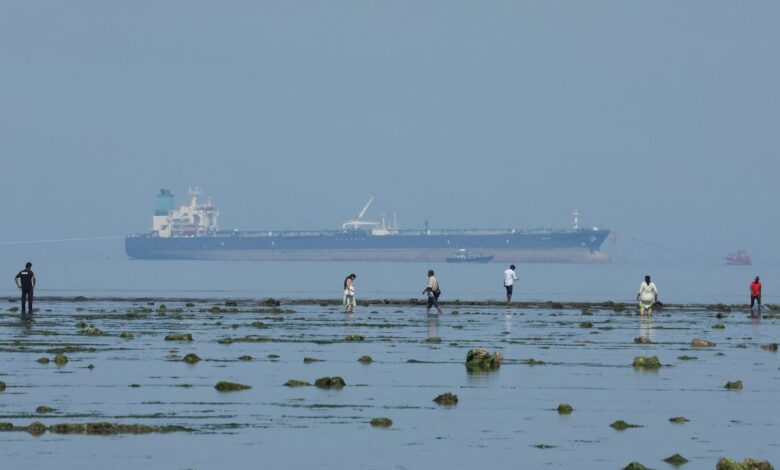
The current crisis is driven by a quartet of adverse factors converging on global supply chains. In addition to the reduced traffic in the Strait of Hormuz, Houthi rebels have expanded their control over the Bab al-Mandab Strait, another crucial maritime passageway. Simultaneously, Saudi Arabia, the world’s largest crude exporter, was largely out of action for over a week after pro-Iran militia attacks forced the shutdown of the East-West pipeline, its primary alternative to Hormuz. Although operations on the pipeline have resumed, with tankers awaiting loading, Saudi Arabia has effectively disappeared from the European market. Key facilities, including the Yanbu, Samref, and Yasref refineries, are operating below capacity on a Red Sea that has become a zone of heightened risk, forcing a pause on all crude and fuel shipments to Europe.
Compounding these regional disruptions is the damage to Russian refining capacity. Ukrainian drone strikes have left nearly half of Russia’s refining capacity offline. Moscow, a historic supplier to Europe, is about to extend its ban on diesel exports for another month to prioritize its domestic market. This combination of supply bottlenecks has shifted the focus of market concerns from jet fuel, which was the main bottleneck in spring, to diesel. Francisco Blanch, global head of commodities and derivatives at Bank of America, noted that the disorder in the Middle East is extreme, with neither enough crude on the market nor sufficient refining capacity to process it. He warned that if supply chains are not restored by Christmas, a major supply problem lies on the horizon.
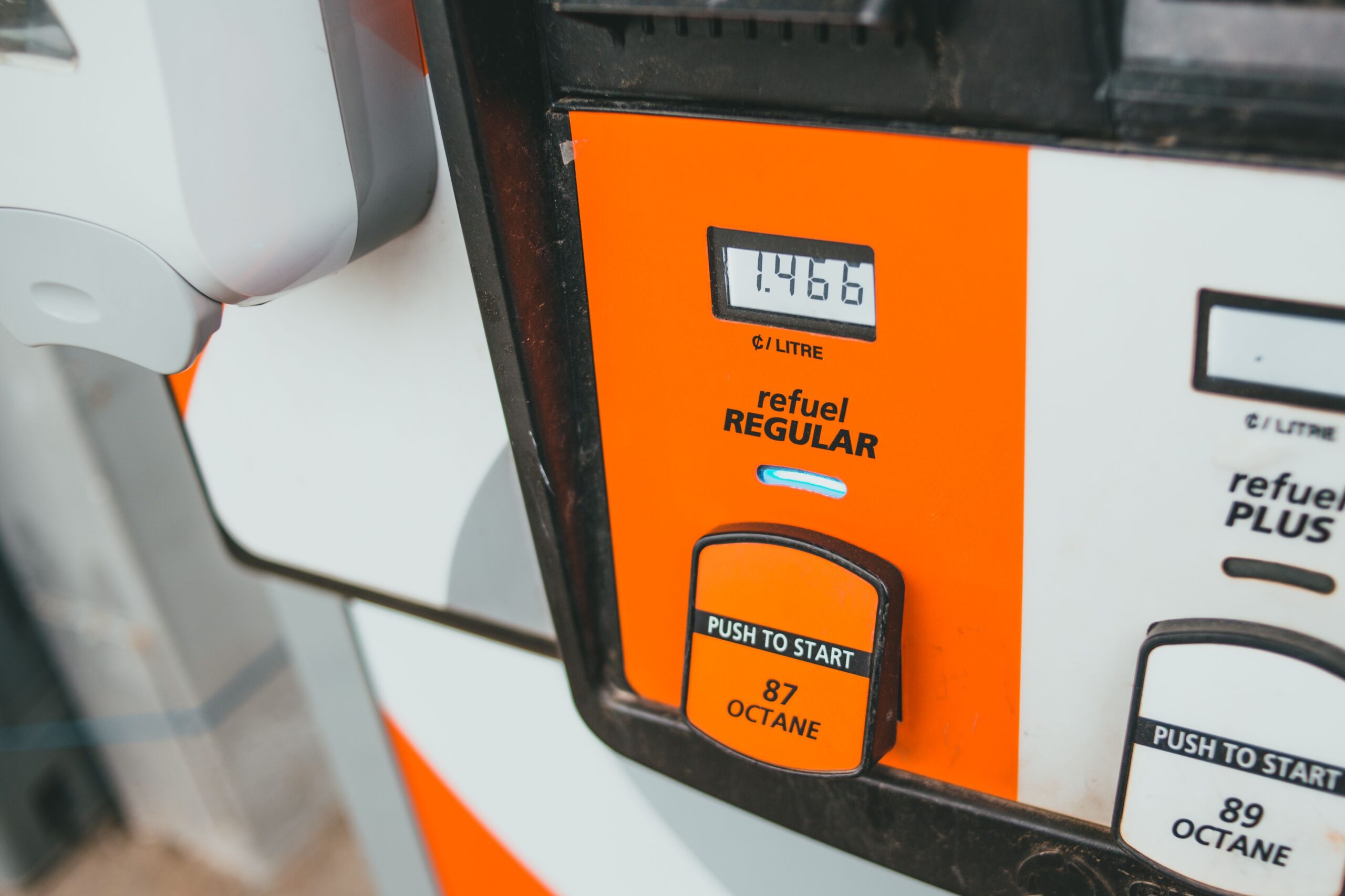
Europe is particularly vulnerable due to its external dependence. The EU imports nearly all of the oil it uses and 85% of its natural gas, with imports supplying 57% of the bloc’s total energy needs. This structural reliance means that global price surges translate directly into domestic economic pain. According to the European advocacy organization Transport & Environment, EU citizens are spending an extra 203 million euros per day solely on diesel fuel. The Organization for Economic Cooperation and Development (OECD) reported that seven of the ten nations working most actively to contain the economic damage from the Iran war are in the European Union.
In response, governments across the continent are deploying a mix of subsidies, tax revisions, and policy pauses to shield their economies and citizens. Lithuania has cut train ticket prices in half, while Greece is taxing gambling more heavily to fund public relief efforts. Italy has delayed the scheduled demolition of coal-fired power plants and reduced bureaucratic requirements for oil and natural gas projects. The Netherlands has increased funding for a program providing free energy-saving services in homes, and Poland has proposed heavy taxes on the record profits of certain fuel producers and sellers. At the EU level, leaders have granted member states temporary discretion to provide state aid to households and energy-intensive industries such as agriculture, transportation, and fishing. They have also offered limited leeway from EU spending rules for investments that strengthen energy security and reduce long-term reliance on imported fossil fuels.

European Commission President Ursula von der Leyen acknowledged that pressures from higher energy prices and borrowing costs are biting for both people and businesses. She emphasized the need to double down on affordable, homegrown clean energy, including renewables, nuclear, and biomethane, to achieve independence and drive down prices. However, experts argue that while these measures provide short-term relief, they do not address the underlying structural issues. Thierry Bros, a professor at Sciences Po Paris, stated that Europe’s only exit is to diversify and destroy demand, noting that fuel subsidies continue to delay the necessary shift toward electrification.
The situation remains precarious, with significant uncertainty surrounding future geopolitical developments. A major unknown is the outcome of the U.S. midterm elections on November 3, where polls suggest a potential historic reverse for the Republican Party. Analysts suggest that a shift in U.S. political dynamics could open the door to diplomacy, which might alleviate some of the pressure on global energy markets. Until then, the interconnectivity of the global energy system means that disruptions in the Middle East and Russia will continue to ripple through European economies, highlighting the urgent need for both immediate financial support and long-term energy security strategies.