
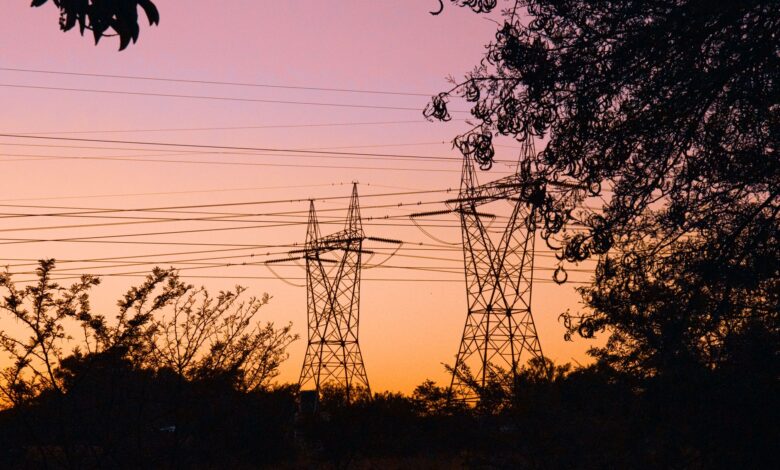
“Eskom, and in turn South Africa, now has a stable electricity platform to operate and grow from,” said Eskom chief executive Dan Marokane. This improvement is primarily attributed to better operational performance at the country’s coal-fired power stations, which continue to supply more than 70% of grid electricity. The rollout of major wind and solar projects has also contributed, alongside a reduction in grid demand as more consumers switch to private power solutions.
Localised Blackouts and Infrastructure Theft
Despite the national recovery, the grid faces persistent challenges at the local level. Data from solar energy company Wetility indicates there were 91,934 grid power outages across the country last year. This translates to an average of six to nine outages each month, depriving households of power for between 73 and 132 hours. Unlike the announced, semi-planned nature of load-shedding, these outages are primarily unplanned and often triggered by illegal activities.
Illegal connections, particularly in informal settlements, cause unexpected spikes in demand that force Eskom to switch off supplies to prevent transformer overload. The utility reports that these “non-technical losses” amounted to 8% of its power supply in the last financial year, resulting in 17.5 billion rand ($1.1 billion) in lost revenues. The excessive usage from illegal connections overloads transformers, causing explosions that lead to prolonged unplanned outages lasting days. These incidents affect not only the unauthorized users but also legitimate customers in the area, forcing Eskom to implement localised load reduction to protect infrastructure.
“This is a stark reminder that illegal electricity connections are not a victimless crime,” said a spokesperson for City Power, the local electricity distribution company in Johannesburg.
The dangers of these illicit connections are not only financial but also lethal. On 13 May, a technician was killed in the Crown Mines district of Johannesburg after accidentally contacting an illegally connected cable during routine maintenance. The incident triggered a local power outage, highlighting the immediate physical risks associated with grid vandalism.
Behind many of these illegal connections are organised criminal gangs that have become sophisticated enough to steal and operate advanced electrical equipment. In some cases, these groups act as illegal utility providers or “ghost vendors,” diverting power from Eskom substations and selling it to informal settlements. This criminal enterprise exacerbates the physical deterioration of the grid through the theft of power cables and vandalism of substations.
The Municipal Debt Crisis
While theft threatens the physical integrity of the grid, a separate financial crisis is undermining Eskom’s viability. Municipalities across South Africa owe the utility approximately R450 billion in unpaid electricity bills. This debt crisis is deepening as local governments struggle to meet their financial obligations, placing a significant strain on Eskom’s cash flow and ability to maintain and expand its infrastructure.
The convergence of high municipal debt and significant revenue loss from theft creates a precarious situation for the utility. Although the national grid is no longer on the brink of total collapse due to demand exceeding supply, the combination of financial hemorrhage and physical infrastructure damage poses a risk of a crisis distinct from, and potentially more complex than, the load-shedding of the past. Eskom’s ability to maintain its 98.9% supply consistency will depend on its capacity to address both the criminal exploitation of its assets and the systemic payment defaults by municipal customers.
As the utility navigates this new landscape, the focus shifts from managing peak demand to securing the physical grid and restructuring financial relationships with municipal customers. The stability of South Africa’s energy sector now rests not just on the performance of coal plants or the integration of renewables, but on the effective combat of organised crime and the resolution of billions of rands in outstanding debt.