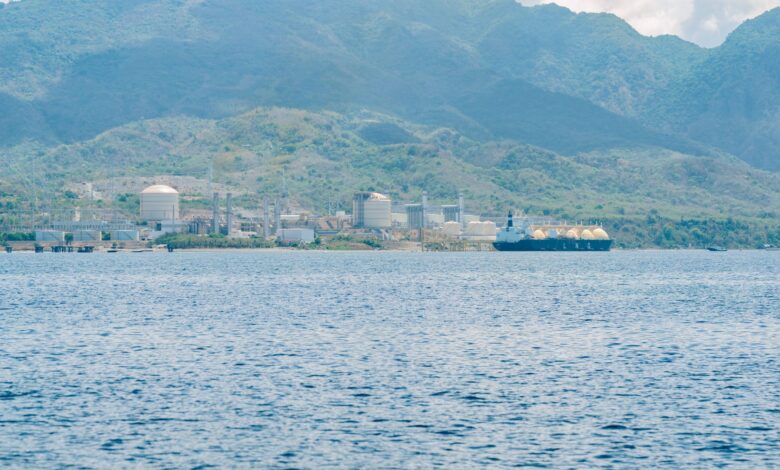
The centerpiece of this strategic push is a 20-year sales and purchase agreement with Malaysia’s state energy firm, Petronas. Under the terms, QatarEnergy will supply two million tons of LNG annually to Malaysia, with deliveries scheduled to commence in 2028. The contract was signed by Saad Sherida Al-Kaabi, Qatar’s Minister of State for Energy Affairs and CEO of QatarEnergy, and Tengku Muhammad Taufik, President and Group CEO of Petronas. This marks the first long-term partnership between the two national energy giants, although the relationship has deeper roots. In 2016, Qatargas, which was consolidated under QatarEnergy, signed a previous agreement with Petronas for more than 1.1 million tons per year. The new deal signals a deepening cooperation aimed at supporting Malaysia’s long-term energy security as demand for LNG continues to rise across Asia.
Simultaneously, QatarEnergy has secured a long-term supply deal with Japan’s Jera, driven by surging demand in the Japanese market. These agreements are not merely commercial transactions; they are strategic instruments designed to navigate the global energy transition. Both partners emphasized that the deals reflect a shared focus on building long-term partnerships to ensure stability. By locking in volumes years in advance, QatarEnergy reinforces its status as a premier global supplier, offering consumers a hedge against the volatility of spot markets.
However, these assurances of reliability come against a backdrop of recent operational strain. On Monday, the global gas market faced a sudden shock when Iranian drones struck two sites in Qatar. According to Qatar’s Ministry of Defence, the attacks targeted a water tank at a power plant in Mesaieed Industrial City and an energy facility in Ras Laffan belonging to QatarEnergy. While no casualties were reported, the incident had immediate repercussions for the global supply chain. The Ras Laffan complex, home to critical processing units for liquefied natural gas set for export, was heavily impacted.
In response to the security threat, QatarEnergy suspended the production of LNG and other products at the affected sites. The state-owned company declared force majeure, a legal mechanism that frees a company from contractual obligations in the event of extraordinary circumstances. This declaration highlights the fragility of global energy infrastructure when geopolitical conflicts intersect with critical industrial zones. The suspension of production from a facility responsible for a significant portion of the world’s LNG supply inevitably places pressure on the remaining global gas markets, driving up prices as buyers scramble for alternative supplies.
Market Implications and Strategic Response
The timing of the Petronas and Jera deals is critical. By securing these long-term contracts, QatarEnergy is working to stabilize consumer confidence that may have been rattled by the drone attacks. The agreements provide a layer of security for Asian markets, which are heavily dependent on LNG imports. For consumers in Malaysia and Japan, these deals offer a measure of predictability in energy costs and supply continuity, even as the global market grapples with the immediate fallout from the production halt.
The technical and operational response to the attacks remains a focus for grid operators and energy producers. The suspension of production at Ras Laffan means that the remaining 80 percent of global LNG supply must now absorb any short-term deficits, a dynamic that typically exerts upward pressure on wholesale prices. The declaration of force majeure also complicates contractual obligations, requiring a careful legal and logistical navigation by both the producer and its buyers to determine the extent of relief from delivery commitments.
As QatarEnergy works to resume full operations at the impacted sites, the long-term agreements signed in Doha serve as a testament to the enduring demand for Qatari LNG. The partnership with Petronas, covering a two-decade horizon, and the deal with Jera, address the structural trends of increasing Asian demand. These moves illustrate a broader industry pattern where producers are prioritizing multi-year contracts to ensure market stability and revenue certainty, even in the midst of acute geopolitical disruptions.
The next verified development will hinge on the timeline for resuming production at Ras Laffan. Until then, the global market remains in a state of heightened alert, balancing the immediate scarcity caused by the production halt with the long-term security provided by the newly inked supply agreements. The resilience of the global LNG market will be tested by how quickly normal operations can be restored and how effectively the new long-term deals mitigate the impact of such unforeseen interruptions.