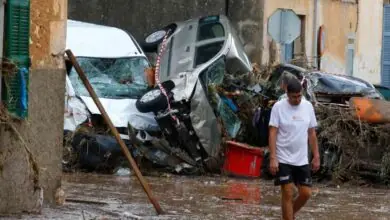
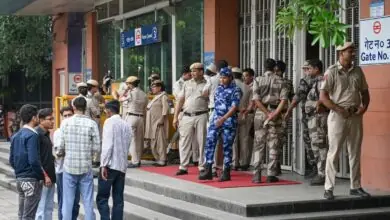
The scale of the destruction has been severe and immediate. Initial reports indicate that dozens of people have died, while the number of missing persons stands at over 1,300. Rescuers are currently searching through rubble and debris, but the extent of the damage and the final casualty count remain uncertain. The disaster affected not only the immediate border zone but also swept away significant infrastructure, including 40 houses and six bridges in Nepal. In the Tibet autonomous region, specifically within Gyirong county administered by the city of Shigatse, the force of the floodwaters caused “major casualties” at the border checkpoint itself.
Among those affected are hundreds of foreign tourists who became stranded in the region. More than 100 foreigners are reported to be stuck, adding a complex humanitarian dimension to the ongoing rescue efforts. The isolation caused by the destruction of bridges and roads has hampered the ability of emergency services to reach all affected areas, leaving many individuals without immediate assistance or communication with the outside world.
Footage circulating online captures the terrifying speed of the event, showing a landslide descending on the Gyirong Port checkpoint as people on the ground fled for their lives. The video shows mud and debris rapidly obscuring the view, illustrating the overwhelming power of the natural forces at work. While the specific meteorological triggers for such an intense event are still being analyzed, the incident highlights the vulnerability of mountainous border regions to extreme weather events. The border checkpoint in question is not merely a transit point; Gyirong Port serves as Tibet’s main foreign trade port, handling the vast majority of China’s trade with Nepal. Its disruption therefore carries significant economic implications beyond the immediate human toll.
Rescue and Recovery Challenges
Efforts to locate missing individuals have been complicated by the rugged terrain and the continued threat of further landslides and flooding. Rescuers are working to clear rubble from the checkpoint and surrounding areas, but the operation is fraught with danger. The unknown number of people trapped beneath the debris in Gyirong county presents a grim challenge for emergency teams. In Nepal, the destruction of 40 houses indicates that entire households have been displaced, requiring immediate shelter and aid.
The incident underscores the fragility of infrastructure in high-altitude border regions. The loss of six bridges has severed vital links for local communities and trade routes, potentially isolating villages for days or weeks. The economic impact on Nepal’s border trade is likely to be substantial, given that Gyirong is the primary point of entry for goods moving between the two countries. Local economies that rely on this cross-border commerce face an immediate shock, with supply chains disrupted and markets inaccessible.
As the immediate phase of rescue operations continues, the focus remains on locating the over 1,300 missing persons. The international community is watching closely, particularly regarding the safety of the stranded foreign tourists. Authorities in both countries are coordinating their efforts, though the sheer scale of the disaster poses significant logistical hurdles. The event has drawn attention to the risks associated with climate variability in the Himalayan region, where heavy rainfall can rapidly trigger catastrophic landslides and floods.
The full extent of the damage is still being assessed. While initial reports provide a stark picture of the loss of life and property, the humanitarian crisis is far from over. The recovery process will require sustained international support, including medical aid, food, and shelter for the displaced. The incident serves as a stark reminder of the power of natural disasters and the urgent need for robust early warning systems and disaster preparedness in vulnerable border regions.
For now, the Gyirong Port checkpoint lies buried under mud and debris, a silent testament to the destructive force that struck just hours earlier. The search for the missing continues, with every hour bringing new challenges and uncertainties. The communities on both sides of the border are left to grapple with the aftermath, facing a future that is uncertain and fraught with hardship. The incident will likely lead to a review of safety protocols and infrastructure resilience in the region, as authorities work to prevent a similar tragedy in the future.