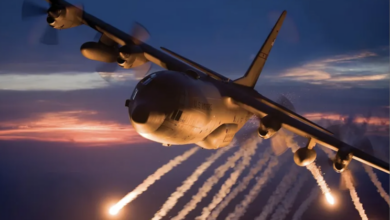
This logistical maneuver is not an isolated incident but rather a component of a larger strategic repositioning. Officials familiar with the movements told the Journal that the US has also relocated troops from bases considered vulnerable to Iranian attacks. Concurrently, US forces are replenishing munitions stockpiles, while bomber aircraft and fighter jets are being prepared for possible strikes. These actions suggest a military establishment moving from a state of deterrence to one of active readiness, calibrated to support a short, intense military campaign.
The geographic and operational scope of this buildup is significant. Approximately 20 US warships are currently operating in the Middle East. An additional aircraft carrier strike group and a Marine Expeditionary Unit are expected to join this fleet in November, although some vessels may rotate out of the region. This expansion follows an earlier decision announced on October 1, when a US official confirmed that the USS Theodore Roosevelt and additional Marine personnel were being sent to the area, explicitly to expand Washington’s military options. The presence of these capital ships and amphibious assets provides the US with the capacity for sustained air operations and rapid ground response, critical capabilities should a conflict with Iran resume.
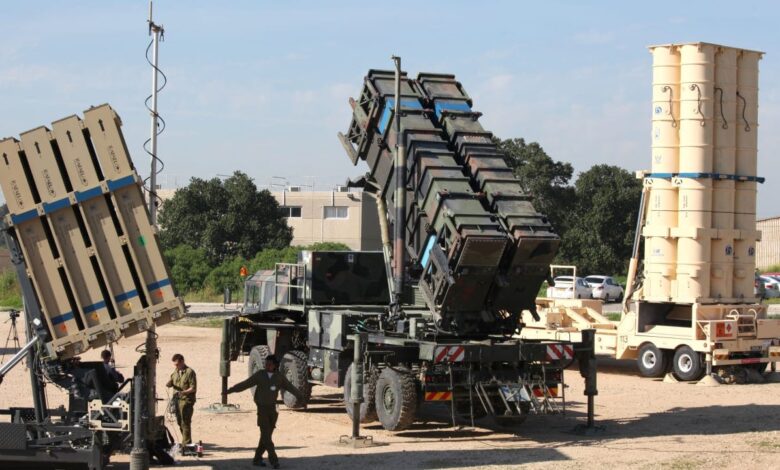
Strategically, the deployment of the Patriot system addresses a specific vulnerability: the threat of ballistic and cruise missiles. By moving this system from the continental United States, the Pentagon is prioritizing the protection of high-value assets and personnel in the theater. However, the technical limitations of air defense systems mean they must be layered with other assets, such as the fighter jets and bombers being prepared for strikes. The logistical challenge of maintaining these assets in a hot climate and contested airspace is substantial, requiring robust supply chains for interceptors and fuel, which explains the reported efforts to replenish munitions stockpiles.
The political context of these military preparations is equally complex. President Donald Trump is reportedly weighing further military action against Iran but has not made a final decision on launching another campaign. According to the report, the administration is leaning toward strikes targeting Iranian infrastructure and nuclear facilities. The timing is strategically chosen to occur after the November 3 midterm elections, a period often cited as politically sensitive for the executive branch. Washington has reportedly warned several Gulf Arab countries to prepare for this potential short, intense campaign, indicating that the US expects regional spillover and seeks to manage the diplomatic fallout with its partners.
Iran’s response to this buildup has been characterized by aggressive rhetoric and preparations for retaliation. Tehran has threatened to expand its retaliation if the US and Israel resume attacks, explicitly citing the targeting of energy infrastructure, airports, and other civilian facilities across the Persian Gulf. This threat raises the stakes for regional security, as attacks on civilian infrastructure could destabilize global energy markets and provoke broader conflict. Furthermore, two diplomatic sources indicated on October 15 that Iran had instructed Hezbollah to increase its readiness in anticipation of further American military action. This coordination suggests that Iran is preparing for a multi-front conflict, leveraging its proxies to stretch US defensive resources.
Security concerns are further heightened by direct threats to American personnel. A US official confirmed on Friday that Secretary of State Marco Rubio had received an intelligence memorandum warning that Iranian efforts to target Americans had intensified. These intelligence warnings about plots against American officials and citizens add a layer of urgency to the military buildup, as the US seeks to protect its diplomatic and military presence in the region. The combination of conventional military preparation and counter-terrorism intelligence suggests that the US is preparing for a conflict that may involve both state-on-state combat and asymmetric threats.
Despite the mounting pressure and military readiness, a negotiated agreement remains a possibility. The uncertainty surrounding the timing, scope, and final decision on any renewed military campaign keeps the situation in a state of high tension. The US military is operating under a dual-track approach: preparing for war while leaving the door open for diplomacy. This approach requires maintaining high readiness levels without provoking an immediate attack, a delicate balance that the relocation of vulnerable troops and the deployment of air defense systems are designed to manage.
The movement of the Patriot system from Texas serves as a clear indicator of the seriousness with which the US administration views the threat from Iran. It is not merely a symbolic gesture but a functional enhancement of defensive capabilities in a region where air defense is critical. As the November 3 elections approach, the next confirmed development will likely be the arrival of the additional naval assets and any further diplomatic signals from Tehran. Until then, the Middle East remains on edge, with US forces positioned to respond rapidly to any escalation, while the civilian populations of the region brace for the potential consequences of a renewed conflict.