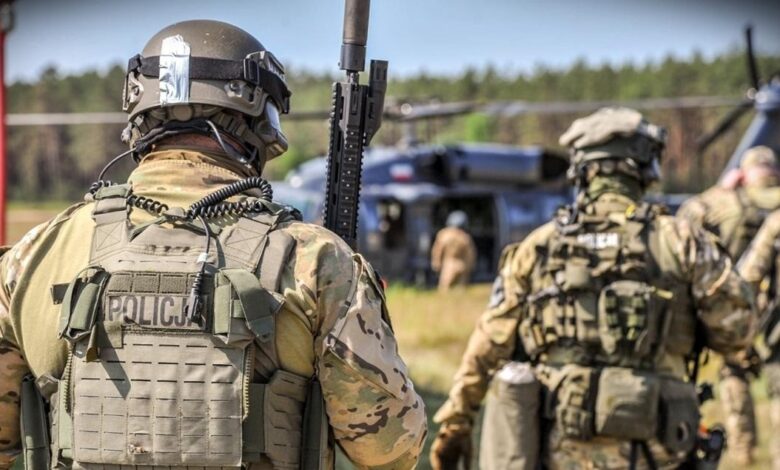
The deployment marks a significant escalation in the hybrid conflict between Poland and Russia, occurring simultaneously with a severe domestic constitutional crisis in Warsaw. While the political capital is consumed by protests and legal battles over the control of the Constitutional Tribunal (TK), the state apparatus has activated its border security protocols based on warnings from the Military Intelligence Service (SWW) and unnamed allied agencies. These agencies reportedly issued a last-week warning that sabotage activities, potentially including border violations by armed groups, were being planned against the Polish-Russian frontier.
Police headquarters stated that the operation is “directly related to the situation taking place in our country today, that is, acts of sabotage…and the actions of eastern services,” a clear reference to Russia and its ally Belarus. Katarzyna Nowak, a spokeswoman for the police headquarters, told TVN that specific details of the operation remain confidential due to its sensitive nature. However, the scope of the threat is contextualized by a series of recent incidents. In September, a Russian military helicopter crossed into Polish airspace from Kaliningrad, remaining there for approximately 42 seconds before returning. Earlier in July, a Russian Kh-101 cruise missile entered Polish airspace from Ukraine before landing in a field in eastern Poland. A report from the International Centre for Counter-Terrorism earlier this year identified Poland as the “primary focus” of Russia’s sabotage operations in Europe, citing incidents such as the arson that destroyed Warsaw’s largest shopping centre and an attempted train derailment.
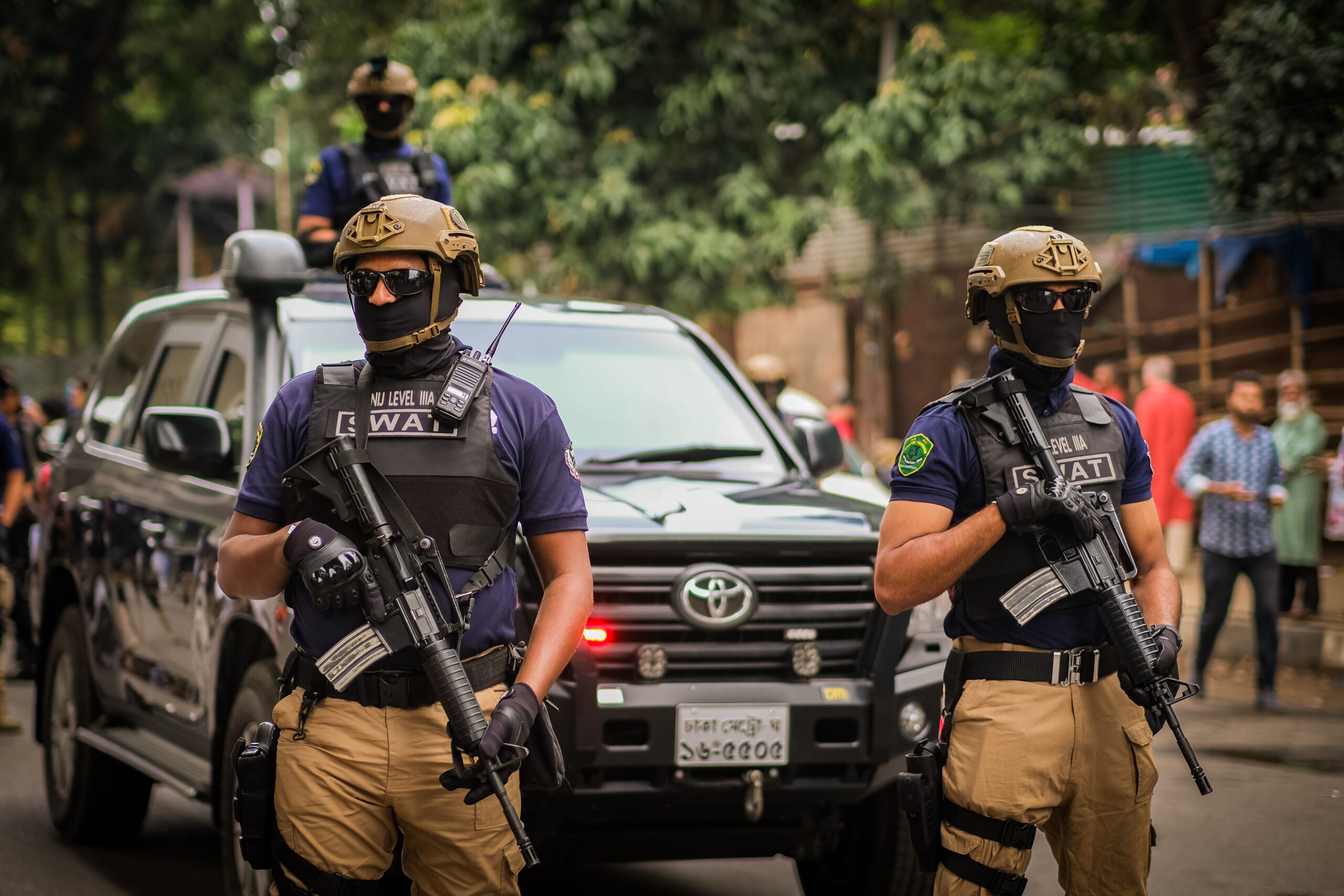
The timing of this border security operation has created confusion and suspicion regarding the government’s internal priorities. On the same day the border operation was confirmed, riot police were present in Warsaw to secure the Constitutional Tribunal amid protests against an attempt by a group of government-backed judges to take control of the court. This domestic unrest had led some observers to interpret earlier police orders as being linked to the TK crisis. Specifically, Deputy Police Commander Tomasz Michułka had issued an order on Thursday for officers to be on “full readiness” between November 2 and 8 due to the “operational situation across the country.”
However, on Friday night, the police issued a statement “emphatically denying” that this readiness order was connected to the situation at the Constitutional Tribunal. Instead, authorities clarified that the order was a response to “current threats regarding acts of sabotage and subversion.” The following day, Police Chief Boroń wrote directly to officers, confirming that the heightened readiness was a countermeasure against “attempts to destabilise our country by foreign intelligence services from the east.” This distinction is crucial for understanding the current geopolitical posture of Poland: the state is treating the border threat as a matter of national survival distinct from, yet concurrent with, the internal democratic struggles over judicial independence.
The dual nature of these challenges places significant strain on Polish security resources. While the government faces domestic pressure to defend the rule of law and the integrity of the Constitutional Tribunal, it is simultaneously managing a NATO frontier that has become a primary theater for Russian hybrid warfare. The involvement of allied intelligence services in the warning suggests that this is not an isolated Polish concern but part of a broader regional security framework. Poland’s repeated warnings in recent months that Moscow is planning further provocations against eastern NATO member states have now been met with tangible, on-ground security measures.
As the operation continues, the focus remains on the safety of citizens in the border provinces and the protection of critical infrastructure. The interplay between the physical security of the border and the legal security of the state highlights a complex geopolitical reality where external aggression and internal political contestation are becoming increasingly intertwined. The resolution of the Constitutional Tribunal crisis and the outcome of the border security operation will both be critical in determining the stability of Poland in the coming weeks.